Mild Steel Hot Rolled Sheet: Practical Buying Guide
Mild Steel Hot Rolled Sheet: Practical Buying Guide
08-25 2026
By Luyuan Steel Technical Team | Updated August 25, 2026
Mild steel hot rolled sheet works well for frames, brackets, machinery parts and general fabrication when the buyer matches grade, thickness, surface and processing requirements to the finished part. The safest way to buy it is to define the job first, then request a quote with measurable acceptance points. This tutorial uses Luyuan’s published hot rolled range and project references; confirm the final grade and availability against the current mill schedule.
Published reference: Luyuan lists hot rolled sheet thickness from 2 to 10 mm and a listed tolerance of +/-1% for coil and sheet products. Project references include Q235B, Q345B, A36, S235JR and S355JR. Exact chemistry, mechanical properties and certificate scope must follow the standard named in the purchase order.
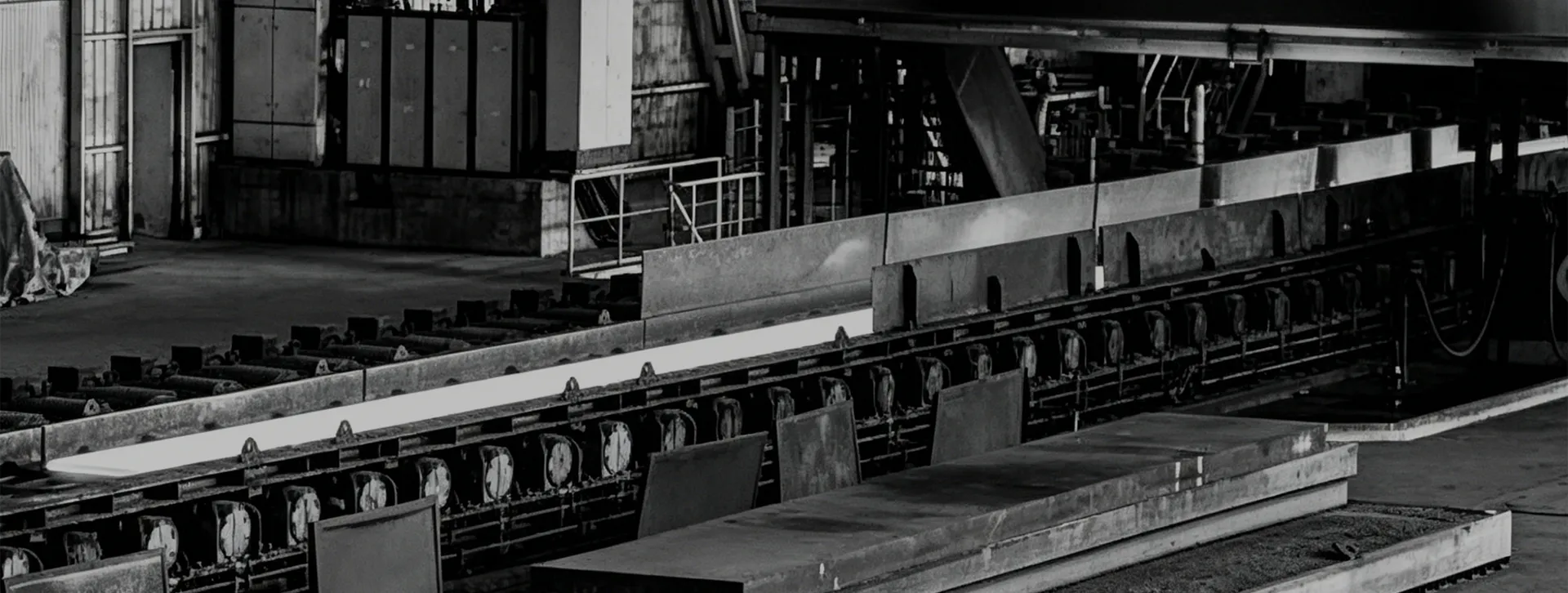
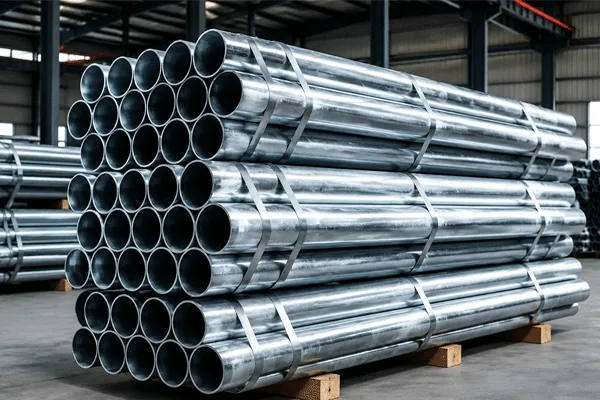
Mild steel hot rolled sheet is commonly processed into structural and industrial components.
Step 1: Start with the finished component
Write down what the sheet becomes: a welded frame, base plate, bracket, guard, platform, tank support or cut blank. Note the loads, welds, bends, holes, paint system and whether the surface will remain visible. A general-purpose mild steel grade may be adequate for a bracket but unsuitable for a heavily loaded member or a component governed by an international design code.
Record the manufacturing route in the same note. A laser-cut blank has different edge and flatness needs from a hand-cut bracket. A bent part needs a minimum inside radius and rolling direction. A painted component needs a surface preparation plan. These details prevent a low-priced quote from becoming an expensive rework exercise.
Step 2: Select a grade and governing standard
Reference grade
Typical use logic
Approval check
Q235B
General structural and fabricated work where the design code permits it
Confirm standard edition, yield and tensile requirements for the ordered thickness
Q345B
Higher-strength structural applications referenced in project material
Check weld procedure, impact requirements and design-code acceptance
A36
Projects specified to a US structural steel standard
Request the A36 chemistry, mechanical values and MTC fields
S235JR / S355JR
Projects using European structural steel designations
Confirm JR impact designation, thickness-dependent properties and test temperature
Do not ask for “Q235B or equivalent” without naming who approves the substitution. Grade names from different standards may have different chemistry limits, impact tests and thickness rules. One agreed standard makes inspection and claim handling clearer.
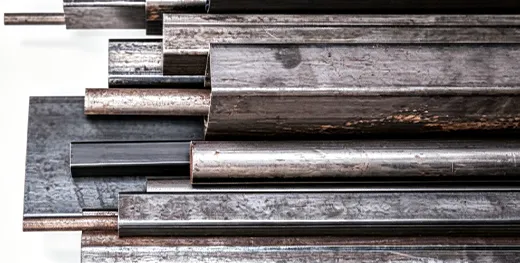
Grade selection should follow the design standard and the actual fabrication route.
Step 3: Specify thickness, dimensions and tolerance
Luyuan’s published hot rolled sheet reference covers 2–10 mm. State nominal thickness, width, cut length, quantity and the permitted deviation. If the quote is based on coil that will be leveled and cut, state the delivered sheet dimensions rather than leaving the supplier to infer them.
Write thickness and width in millimetres, including the permitted tolerance class.
State cut length, squareness, camber and flatness limits when the sheet feeds a fixture, press or CNC table.
State whether the tolerance is the published +/-1% reference or a tighter project requirement.
Nominal thickness alone is not enough. A sheet can meet its nominal value and still fail because flatness, camber or edge burrs exceed the downstream machine’s limit.
Step 4: Choose the surface condition
As-rolled mild steel hot rolled sheet may carry mill scale. That condition can be acceptable when the fabricator will blast, weld and paint the part. Pickled and oiled sheet provides a cleaner surface and temporary corrosion protection, but the oil must be compatible with bending, welding and the selected coating system.
Ask for written limits on scale, scratches, dents, edge tears, flash rust and oil coverage. Avoid approving a sample photograph as the full surface specification. Lighting and camera angle can hide defects that matter after cutting or painting.
Step 5: Match the processing route
Cutting and blanking
Give the blank size, nesting direction, squareness and burr limit. Laser, plasma, shear and flame cutting create different heat-affected edges and cleanup requirements. If the blank is welded immediately, specify whether scale removal is included.
Bending and forming
State bend angle, inside radius, rolling direction and trial-piece approval. Mild steel hot rolled sheet is not automatically interchangeable with cold rolled sheet in a close-radius bend. Springback, surface scale and thickness variation affect the final angle.
Welding and drilling
Confirm the welding procedure, preheat or interpass controls where required, edge preparation and hole positional tolerance. For structural members, retain the heat number through cutting so the finished parts remain traceable to the MTC.
Luyuan lists cutting, bending, punching, welding and decoiling as processing options depending on product. Make each included operation explicit in the quotation.
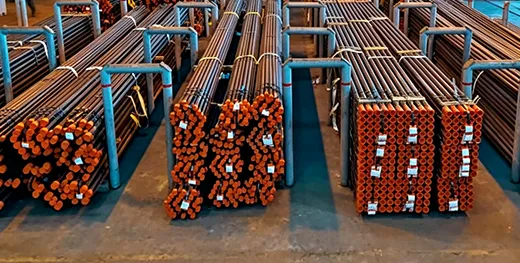
Batch and heat traceability connect the delivered sheet to its inspection records.
Step 6: Build an inspection and delivery plan
Before placing the order, list the documents required at shipment: Mill Test Certificate, dimensional report, packing list, heat or batch traceability, pre-shipment inspection and any third-party test. State who may witness inspection and who can release or reject a lot.
Match the bundle mark and heat number to the MTC and purchase order.
Measure thickness, width, length, flatness and squareness at agreed sampling points.
Inspect surface, edge condition, rust protection, packaging and lifting points.
For formed or welded parts, approve a first article before releasing the full production quantity.
Luyuan’s resource library describes batch traceability, English MTCs, pre-shipment inspection and third-party inspection support. Those capabilities become useful only when the contract states the exact evidence and acceptance criteria.
Common buying mistakes
Using “mild steel” as the complete grade: the term does not identify a design standard or mechanical-property requirement.
Ignoring surface preparation: mill scale, oil and flash rust change paint adhesion and weld cleanup.
Ordering coil when sheets are needed: leveling, cutting, flatness and packing must be included.
Accepting a nominal tolerance without a machine limit: the downstream fixture may need tighter flatness, edge or squareness control.
Dropping traceability after cutting: parts should retain the heat or batch reference until inspection is complete.
RFQ example
Use a request such as: “Mild steel hot rolled sheet, Q235B to [agreed standard], 6 mm x 1,500 mm x 6,000 mm, trimmed edge, mill scale acceptable for blast-and-paint fabrication, thickness and flatness tolerances stated, quantity [X] metric tons, MTC and heat traceability required, pre-shipment inspection, export packing to [destination], delivery by [date].” Add bending, punching, welding or cut-to-length requirements when they are part of the supplier’s scope.
Compared with a common cold rolled solution, this specification accepts a more workmanlike surface in exchange for a practical structural and fabrication route. Compared with a heavier section or plate, the sheet format may simplify cutting and handling for medium-gauge components. The drawing and process, not the label, decide the boundary.
Review Luyuan’s capability page for current processing and documentation scope, then send the drawing and RFQ fields through the contact page.
FAQ
What thickness is available for hot rolled sheet?
Luyuan’s published reference is 2–10 mm for hot rolled sheet. Confirm the exact thickness, width, tolerance and delivered form against the current schedule.
Is Q235B the same as A36?
No. They are designations from different standards. A substitution requires engineering approval and evidence that chemistry, mechanical properties and impact requirements are satisfied.
Should I buy pickled and oiled sheet?
Choose it when a cleaner substrate and temporary corrosion protection reduce downstream work. Confirm oil compatibility with forming, welding and paint.
What should be checked on arrival?
Check bundle identity, heat number, grade, dimensions, flatness, surface, edges, packaging, corrosion protection and the MTC before releasing the lot.
Next step: Send the drawing, grade and standard, thickness, dimensions, surface, processing route, quantity, destination and inspection scope for a specification-based quotation.
About the author
Luyuan Steel Technical Team supports steel manufacturing, processing, quality-control documentation, product specification and international project supply.






 08-25 2026