Hot Rolled Sheet Steel: Grades, Uses and Selection
Hot Rolled Sheet Steel: Grades, Uses and Selection
08-24 2026
By Luyuan Steel Technical Team | Updated August 24, 2026
Hot rolled sheet steel is a practical choice when a project needs structural strength, economical thickness and fabrication flexibility rather than a bright cosmetic surface. The purchasing decision should connect grade, thickness, tolerance, surface condition, processing route and inspection documents to the finished part. This guide uses Luyuan’s published hot rolled sheet range and project references; exact availability must be confirmed against the current mill schedule.
Information basis: Luyuan’s product data lists hot rolled sheet thickness from 2 to 10 mm and a listed tolerance of +/-1% for coil and sheet products. Published grade references include Q235B, Q345B, A36, S235JR and S355JR depending on application. No SKU-specific certificate number is disclosed in the source library, so the governing standard and certificate scope should be written into the purchase order.
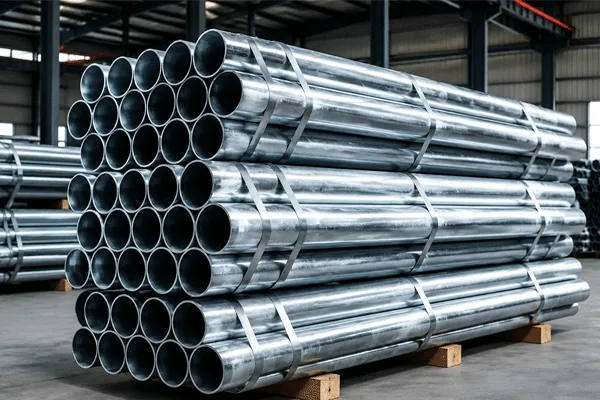
Hot rolled sheet steel supports structural and industrial fabrication where thickness and processing access matter more than a polished surface.
What makes hot rolled sheet different?
Hot rolled sheet is formed at elevated temperature, which allows the mill to process thicker material efficiently. The surface may retain mill scale or receive pickling and oiling, depending on the ordered finish. Compared with cold rolled sheet, hot rolled material normally offers wider dimensional tolerances and a less uniform surface, but it is often better suited to welded frames, brackets, machinery parts and general structural work.
Do not treat “hot rolled” as a complete specification. Two sheets with the same nominal thickness can differ in grade, yield-strength requirement, flatness, edge condition, surface treatment and inspection plan. Those differences can change cutting yield, weld preparation and downstream rework.
Published thickness and tolerance range
Field
Luyuan published reference
What the buyer should confirm
Hot rolled sheet thickness
2–10 mm
Nominal thickness, permitted deviation and measurement method
Listed tolerance
+/-1% for listed coil/sheet products
Whether the project needs a tighter class or a different standard
Product forms
HR coil, HR sheet and HR rod
Coil, leveled sheet or cut-to-length plate and the required packing
Processing
Cutting, bending, punching, welding and decoiling depending on product
Which operations are included in the quote and which are performed locally
Surface
As-rolled or processed finish subject to order
Mill scale, pickled and oiled condition, dry delivery, rust protection and appearance limits
The tolerance shown above is a published reference, not an automatic promise for every thickness. Put the applicable standard, thickness class and inspection frequency in the RFQ. If the part is cut on a CNC line, include the maximum camber, flatness and edge-trim variation that the machine can accept.
Choose the grade by the finished job
Q235B for general fabrication
Q235B is commonly specified for general structural and fabricated components where the design calculations and governing standard support that grade. It can fit frames, supports and non-critical brackets, but the supplier must still state the standard edition, chemistry and mechanical-property requirements for the ordered thickness.
Q345B when the design calls for higher strength
Q345B is referenced in Luyuan’s hot rolled project material for applications requiring a higher-strength structural option. The higher grade does not remove the need to check welding procedure, notch sensitivity, forming limits and the design code. Confirm that the required impact, elongation or test temperature requirements are included when applicable.
A36, S235JR and S355JR for international specifications
A36, S235JR and S355JR appear in the published project references for different application and market requirements. These designations are not interchangeable labels. Ask the supplier to quote one agreed standard, not a list of “equivalent” grades, and request the MTC fields that demonstrate compliance.
Grade selection should follow the design standard, loading, welding route and inspection evidence required for the finished component.
Surface condition: mill scale, pickled and oiled, or prepared?
Mill scale can be acceptable for welded structural members that will be blasted and painted later. It is a poor fit for a visible panel or a process that needs a clean substrate immediately. Pickled and oiled sheet removes scale and adds temporary corrosion protection, but the oil must be compatible with the next operation. If the sheet will be laser-cut, formed or painted, state whether oil, flash rust, scratches and roll marks are acceptable.
A frequent mistake is approving a sample photograph as the surface standard. Photographs show appearance under one light; they do not define roughness, scale adhesion, flatness or allowable defects. Use a written surface class, reference sample and rejection procedure.
Processing route and edge requirements
Cutting: provide blank dimensions, squareness, burr limit and nesting direction. Extra trimming allowance can affect material yield.
Bending and forming: state bend angle, inside radius, rolling direction and any trial-piece requirement. Hot rolled sheet may need different allowances from cold rolled sheet.
Welding: confirm grade, thickness, weld procedure, preheat or interpass controls where required, and whether edges are supplied trimmed, sheared or flame-cut.
Punching and drilling: specify hole diameter, positional tolerance and whether the edge must be free of lamination or severe scale.
Luyuan lists cutting, bending, punching, welding and decoiling as available processing options depending on product. Make the processing boundary explicit so a quote does not silently assume that local fabrication will complete a step that was expected at the mill.
When hot rolled sheet is the better fit
Project need
Why hot rolled sheet may fit
Check before approval
Welded frames and supports
Useful thickness range and fabrication access
Grade, weld procedure, flatness and edge preparation
Machinery guards and brackets
Cutting, punching and bending can be combined with an economical substrate
Surface acceptance, bend radius and dimensional tolerance
Industrial platforms and structures
Structural grades and project-based sourcing support
Design code, traceability, MTC and coating or paint preparation
Visible appliance or automotive panel
Usually not the first choice when a smooth, tight-tolerance surface is critical
Compare cold rolled sheet and the required surface class
Compared with common light-gauge cold rolled solutions, hot rolled sheet usually gives the fabricator more tolerance and surface preparation work to manage. Compared with thicker plate or section steel, it can simplify cutting and handling for medium-gauge components. The right boundary is set by the finished part, not by the product name alone.
Inspection evidence that should travel with the lot
Before shipment, align the bundle mark, heat or batch reference, MTC and packing list. A practical acceptance sequence is:
Verify grade, standard, thickness, width, length and quantity against the purchase order.
Measure thickness and flatness at the agreed sampling points; record edge condition and visible scale or rust.
Check the MTC for chemistry, mechanical properties, heat number and test results required by the standard.
Confirm coating, oiling, wrapping, lifting points and moisture protection for the destination and storage period.
Traceability links the delivered bundle to the heat number, inspection documents and the agreed specification.
Luyuan’s resource library describes batch traceability, English Mill Test Certificates, pre-shipment inspection and third-party inspection support. These are process capabilities, not a substitute for naming the required documents and acceptance authority in the contract.
RFQ template for hot rolled sheet steel
Write the request so a supplier can price the same material: “Hot rolled sheet steel, [grade and standard], [thickness] mm x [width] mm x [length] mm, [surface condition], [tolerance class], [edge condition], [processing], quantity [X] metric tons, MTC and pre-shipment inspection required, export packing for [destination], delivery by [date].” Add whether the sheet is for welding, bending, punching, painting or direct installation.
For Luyuan’s current manufacturing and processing scope, review the capability page. For a quotation, send the drawing, grade, dimensions, surface, processing and inspection requirements through the contact page.
FAQ
What thicknesses are available for hot rolled sheet steel?
Luyuan’s published hot rolled sheet reference is 2–10 mm. Confirm the exact thickness, width, tolerance and delivery form against the current production schedule.
Is hot rolled sheet suitable for structural steel?
It can be suitable for structural and fabricated parts when the grade, design code, weld procedure and inspection documents match the project. A product label alone is not design approval.
Should I choose mill scale or pickled and oiled sheet?
Use mill scale when later blasting or surface preparation is planned and acceptable. Choose pickled and oiled when a cleaner substrate and temporary corrosion protection are needed, after confirming compatibility with forming or painting.
Can hot rolled sheet replace cold rolled sheet?
Only when the finished part can accept the different surface, tolerance and forming behavior. Visible panels, tight bends and close-dimension components may require cold rolled material instead.
Next step: Send the design standard, grade, thickness, dimensions, surface condition, processing route, quantity, destination and inspection scope before requesting a hot rolled sheet steel quotation.
About the author
Luyuan Steel Technical Team supports steel manufacturing, processing, quality-control documentation, product specification and international project supply.






 08-24 2026