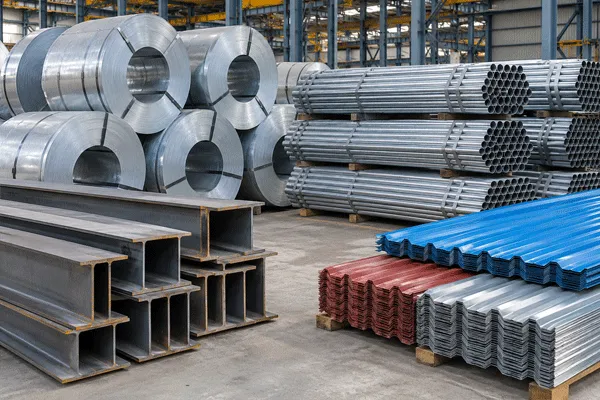
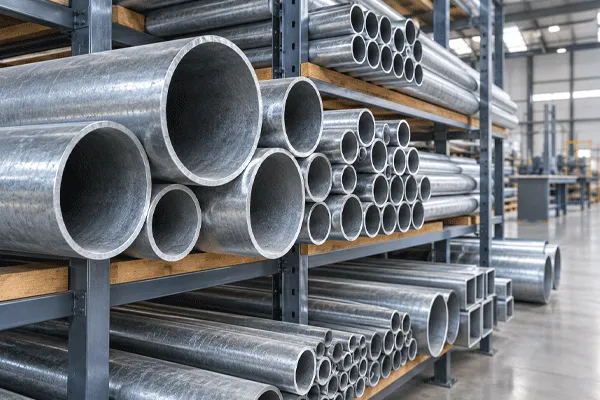
A cheap metal roof can look strong on day one, then stain, corrode, or fail early when the wrong roofing material is used. That risk grows in rain, salt air, animal buildings, and poor drainage. The solution is choosing the right coated steel for the job.
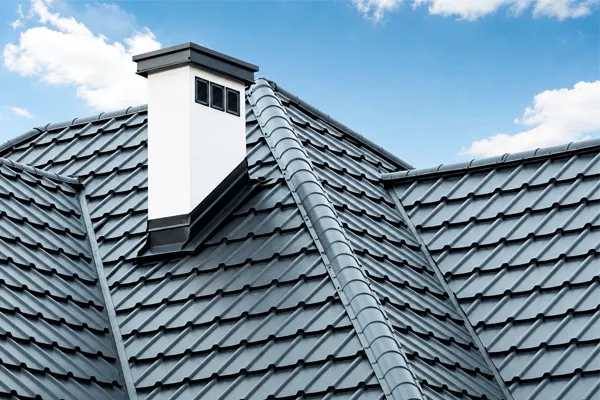
Galvalume metal can rust if the coating is damaged, exposed to harsh chemicals, or used in the wrong environment. However, a Galvalume metal roof is highly rust-resistant because the steel is coated with an aluminum-zinc alloy that protects the underlying steel better than standard galvanized steel in many roofing applications.
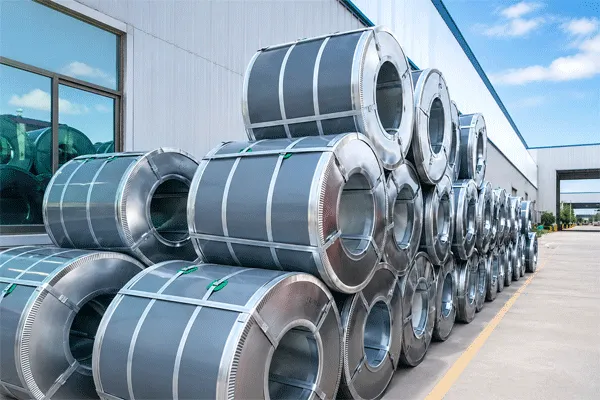
Will Galvalume Metal Rust? Galvalume Metal Roof, Galvanized Steel, and Rust Resistance Guide
Article Outline
- Will Galvalume metal rust?
- What is Galvalume metal and why is it used for roofing?
- What is the difference between Galvalume and galvanized steel?
- Why does a Galvalume metal roof resist rust so well?
- When can Galvalume roofing panels still rust?
- Is Galvalume better than galvanized metal for roofing?
- Where should Galvalume not be used?
- How long can a Galvalume roof last?
- How should buyers choose Galvalume or galvanized steel?
- What should B2B buyers check before ordering Galvalume metal products?
- FAQs about Galvalume, galvanized metal, and metal roof rust
Will Galvalume Metal Rust?
Yes, Galvalume metal can rust, but it is much more resistant to rust than bare carbon steel. It is also often more corrosion-resistant than traditional galvanized steel in many exposed roof and wall applications. The reason is simple: Galvalume is not plain steel. It is steel protected by a special aluminum-zinc alloy coating.
A Galvalume metal roof usually performs well because the aluminum in the coating forms a strong barrier, while the zinc helps protect exposed areas such as cut edges and small scratches. U.S. Steel describes Galvalume as sheet steel with a highly corrosion-resistant coating made with a nominal 55% aluminum and 43% zinc alloy.
But no coated metal is magic. If the coating wears away, if water sits on the panel, if cut edges are poorly handled, or if the roof is exposed to strong chemicals, the underlying metal can become vulnerable. In plain words: Galvalume can rust, but good material selection, correct installation, and regular maintenance help it resist rust for many years.
What Is Galvalume Metal and Why Is It Used for Roofing?
Galvalume metal is carbon steel coated with an aluminum-zinc-silicon alloy. The common 55% aluminum-zinc alloy coating is about 55% aluminum, 43.5% zinc, and 1.5% silicon, according to GalvInfo’s technical note on 55% Al-Zn alloy-coated steel sheet.
This coating gives Galvalume a useful balance. Aluminum provides long-term barrier protection. Zinc provides galvanic protection, especially where the steel is exposed at edges or small scratches. Silicon helps the coating bond and behave properly during production.
That is why Galvalume is widely used in:
- Metal roofing panels
- Wall cladding
- Standing seam roof systems
- Industrial buildings
- Warehouse buildings
- Agricultural buildings, with correct environment review
- Steel structure roofing and siding
- Pre-engineered building systems
For a steel supplier, Galvalume is one of the most requested coated steel products because it fits many construction and infrastructure needs. It is light, strong, formable, and efficient for roof and wall panel production.
What Is the Difference Between Galvalume and Galvanized Steel?
The main difference between Galvalume and galvanized steel is the coating. Galvanized steel is coated with zinc. Galvalume steel is coated with an aluminum-zinc alloy. Both protect steel from rust, but they perform differently.
| Item |
Galvalume |
Galvanized Steel |
| Coating |
Aluminum-zinc-silicon alloy |
Zinc coating |
| Main strength |
Long-term barrier corrosion resistance |
Strong zinc sacrificial protection |
| Common use |
Roofing, siding, building panels |
Roofing, ducts, structural parts, general fabrication |
| Appearance |
Smooth spangle-like finish |
Zinc spangle or matte finish |
| Best fit |
Long-life roof and wall systems |
Many general steel applications |
The difference between galvanized and Galvalume matters when choosing a metal roof. Galvalume often performs better in long-term atmospheric corrosion tests, especially for roof panels exposed to normal weather. MCA’s low-slope roof study found 55% Al-Zn alloy-coated steel panels weathered uniformly, with projected long flat-panel service lives for AZ55 coatings depending on local precipitation pH.
Still, galvanized steel may be better in some special environments, including certain animal confinement buildings or applications where more zinc sacrificial protection is needed. So the question is not “Which is always better?” The real question is: Which coating fits your project environment?
Why Does a Galvalume Metal Roof Resist Rust So Well?
A Galvalume roof resists rust because the coating protects the steel in two ways. First, aluminum blocks moisture and oxygen from reaching the underlying steel. Second, zinc helps protect exposed areas through sacrificial action.
Think of the coating like a shield. The aluminum is the hard outer wall. The zinc is the backup guard. Together, they help protect the steel from rust. Nippon Steel also describes Galvalume steel sheet as balancing aluminum’s corrosion prevention with zinc’s sacrificial and self-mending action.
This is why Galvalume is often chosen for:
- Standing seam metal roofs
- Exposed-fastener roofing panels
- Wall cladding
- Factory roofs
- Warehouse roofs
- Commercial roof systems
- Steel roofing and siding projects
For buyers comparing metal roofing materials, Galvalume offers a strong mix of performance, cost control, and long service potential. It is not the best metal for every situation, but it is one of the most useful coated steel choices for many roof projects.
When Can Galvalume Roofing Panels Still Rust?
Galvalume can rust when the protective coating is broken, damaged, chemically attacked, or exposed to trapped moisture. Rust risk is higher where water cannot drain, where metal panels touch incompatible materials, or where scratches expose the steel base.
Common causes include:
| Rust Risk |
What Happens |
| Deep scratches |
Coating is broken and underlying steel is exposed |
| Standing water |
Moisture stays on the metal too long |
| Poor drainage |
Water and dirt collect on the roof |
| Cut-edge exposure |
Edges need proper handling and design |
| Contact with copper or lead |
Dissimilar metal reaction may occur |
| Contact with treated lumber |
Chemicals can speed corrosion |
| Industrial chemicals |
Coating may degrade faster |
| Salt-heavy environments |
Corrosion pressure increases |
The Metal Construction Association warns that accelerated corrosion can happen when metal roof components contact chemically contaminated water, trapped moisture, or dissimilar metals.
So yes, metal roofs rust when the wrong design or environment defeats the coating. Galvalume helps resist rust, but installation details matter. A good roof system needs correct fasteners, clean cuts, compatible accessories, proper slope, and safe water runoff.
Is Galvalume Better Than Galvanized Metal for Roofing?
For many roofing applications, Galvalume tends to perform better than galvanized metal in long-term atmospheric corrosion resistance. Its aluminum-zinc coating gives strong barrier protection and good durability for roof and wall panels.
Compared to galvanized metal, Galvalume often provides better long-term protection in normal weather exposure. This is why many metal roofing products use Galvalume as a base material, especially when the project requires a long-lasting roof system.
But galvalume vs galvanized is not always a one-way answer.
| Project Need |
Better Option |
| Long-term roof corrosion resistance |
Galvalume |
| General zinc-coated steel use |
Galvanized steel |
| Animal confinement buildings |
Often galvanized, not Galvalume |
| Painted standing seam metal roofs |
Galvalume is common |
| Heavy ammonia exposure |
Avoid Galvalume |
| Many standard fabrication uses |
Galvanized steel |
| Roof and wall cladding |
Galvalume or painted Galvalume |
If you are considering a metal roof for your home, warehouse, factory, or commercial project, Galvalume may be a strong choice. If you are buying steel for an animal building, chemical plant, or corrosive industrial zone, review the environment first.
Will Galvalume Metal Rust? Galvalume Metal Roof, Galvanized Steel, and Rust Resistance Guide
Where Should Galvalume Not Be Used?
Galvalume should not be used in every environment. It is not recommended for direct contact with wet pressure-treated lumber, uncured concrete, wet mortar, copper runoff, or certain corrosive chemicals. ArcelorMittal states that Galvalume should not be used in contact with pressure-treated lumber products containing copper and other corrosive chemicals, and that bare and painted Galvalume can suffer rapid corrosion in contact with mortar and concrete during curing.
Galvalume is also not suitable for many animal confinement buildings. Manure can release ammonia gas, which can react with the coating and eat away at the metal. Sheffield Metals notes that Galvalume is not suitable for buildings where animals are regularly housed because ammonia from manure can break down the coating.
Avoid or carefully review Galvalume in:
- Livestock barns
- Poultry houses without vapor barriers and ventilation
- Buildings with heavy ammonia exposure
- Areas with standing water
- Direct contact with wet treated lumber
- Direct contact with uncured concrete or mortar
- Severe chemical environments
- Roof areas receiving copper runoff
In these cases, galvanized or Galvalume steel may still be possible, but the project needs correct coating, paint system, insulation, ventilation, and separation details.
How Long Can a Galvalume Roof Last?
A Galvalume roof can last decades when it is correctly selected, installed, and maintained. Service life depends on coating weight, roof design, climate, slope, paint system, fasteners, drainage, and surrounding environment.
MCA’s service life assessment for unpainted 55% Al-Zn alloy-coated steel standing seam roof systems projected long coating life for AZ55 in tested environments, with flat panel service-life projections ranging widely based on precipitation pH.
That does not mean every Galvalume roof will last the same number of years. A roof in a dry inland warehouse location may perform very differently from a roof near salt spray, chemical exhaust, or animal manure. Maintenance also matters.
To improve service life:
- Keep roof surfaces clean
- Remove metal shavings after cutting or drilling
- Avoid trapped moisture
- Use compatible fasteners
- Protect cut edges where needed
- Maintain gutters and drainage
- Inspect signs of rust early
- Avoid chemical contact
- Use painted metal panels when appearance and added protection are required
A roof is a system, not just a sheet of metal.
How Should Buyers Choose Galvalume or Galvanized Steel?
Choose Galvalume when you need strong long-term corrosion resistance for roofing and siding in normal outdoor environments. Choose galvanized steel when your project needs zinc-coated steel for general fabrication, certain agricultural uses, or applications where zinc sacrificial protection is preferred.
Here is a practical selection table:
| Buyer Scenario |
Suggested Material |
| Warehouse roof |
Galvalume or painted Galvalume |
| Standing seam metal roof |
Galvalume roofing panels |
| Roofing sheet manufacturing |
Galvalume steel coil or PPGI/PPGL coil |
| Animal confinement building |
Review galvanized roof options first |
| Wall cladding |
Galvalume or painted steel |
| Industrial facility |
Check chemical exposure before choosing |
| Greenhouse project |
Review humidity, chemicals, and coating needs |
| Coastal project |
Consider aluminum, premium paint, or special coating review |
| Steel structure fabrication |
Galvanized steel, Galvalume, or painted steel depending on use |
As a professional steel manufacturer and integrated steel supplier in China, we usually ask buyers for the roof environment, project location, panel profile, thickness, coating weight, paint requirement, width, RAL color, packing method, and inspection needs before quoting.
Why? Because a roof in a dry warehouse is not the same as a roof in a chemical plant. Same metal family. Different risk.
What Should B2B Buyers Check Before Ordering Galvalume Metal Products?
For distributors, importers, roofing sheet manufacturers, contractors, and engineering buyers, the right Galvalume order starts with clear specifications. A vague inquiry creates risk. A detailed inquiry saves time.
Check these items before buying:
| Specification |
Why It Matters |
| Base steel grade |
Affects strength and forming |
| Thickness |
Affects roof panel stiffness and cost |
| Width |
Must fit roll forming line |
| Coating weight |
Affects corrosion protection |
| Surface treatment |
Helps storage, forming, or painting |
| Paint system |
Needed for colored roofing products |
| RAL color |
Important for roofing and wall cladding |
| Coil weight |
Affects handling and production |
| Slitting or profiling |
Supports direct manufacturing use |
| MTC documents |
Supports traceability |
| Third-party inspection |
Reduces import risk |
| Seaworthy packaging |
Protects during international shipping |
We support OEM / ODM customization for steel buyers, including customized thickness, width, coating weight, surface treatment, RAL colors, cutting, slitting, profiling, packaging, third-party inspection, MTC documents, and international logistics.
For roof and wall panel producers, this matters. Better coil quality means better roll forming. Better packaging means fewer claims. Better traceability means easier project approval.
Practical Case Study: Choosing Galvalume for a Warehouse Roof
A steel structure contractor needed roofing panels for a warehouse building in a humid but non-coastal region. The buyer first asked for galvanized panels because the price looked familiar. After reviewing the roof design, drainage, and exposure conditions, Galvalume was a better match.
The final material plan included:
| Project Item |
Selected Material |
| Main roof panels |
Galvalume steel coil |
| Wall cladding |
Painted Galvalume panels |
| Gutters and trim |
Compatible coated steel |
| Fasteners |
Roof-system-approved fasteners |
| Documents |
MTC and inspection report |
| Packaging |
Seaworthy export packaging |
The result was a more suitable roof system with stronger rust resistance and better long-term value. The buyer did not just buy “metal.” They bought the right metal for the job.
Will Galvalume Metal Rust? Galvalume Metal Roof, Galvanized Steel, and Rust Resistance Guide
How to Prevent Rust and Corrosion on a Galvalume Metal Roof
Preventing rust and corrosion starts before installation. Choose the correct material, coating, thickness, fasteners, and roof profile. Then install it properly. Then maintain it. Simple steps, big results.
Best practices include:
- Use Galvalume or galvanized steel only where the environment fits
- Avoid direct contact with copper, lead, graphite, treated lumber, wet concrete, and corrosive chemicals
- Clean off drill shavings and metal debris
- Use compatible fasteners and sealants
- Keep gutters clear
- Avoid standing water
- Check the roof after storms
- Repair coating damage quickly
- Store coils and panels in dry, ventilated conditions before installation
If you want a rust-resistant metal roof, do not focus only on the panel. Check the whole system: metal panels, accessories, fasteners, trims, underlayment, ventilation, drainage, and maintenance plan.
FAQs About Galvalume, Galvanized Metal, and Metal Roof Rust
Will Galvalume metal rust?
Yes, Galvalume can rust if its coating is damaged or if it is exposed to harsh conditions. However, it is highly resistant to rust because its aluminum-zinc coating protects the underlying steel.
Is Galvalume better than galvanized steel for a metal roof?
In many roof and wall applications, Galvalume tends to perform better than galvanized steel in long-term atmospheric corrosion resistance. Galvanized steel may still be better for certain animal confinement or special-use environments.
What is the difference between Galvalume and galvanized metal?
Galvanized metal is coated mainly with zinc. Galvalume metal is coated with an aluminum-zinc-silicon alloy. The aluminum in Galvalume provides barrier protection, while zinc helps protect exposed areas.
Can Galvalume be painted?
Yes. Painted metal panels often use Galvalume or galvanized steel as the base substrate. PPGL steel coils are commonly used for roofing, siding, wall cladding, and architectural panels.
Where should Galvalume not be used?
Galvalume is not recommended for many animal confinement buildings, direct contact with wet treated lumber, uncured concrete, wet mortar, copper runoff, or highly corrosive chemical environments.
What are the first signs of rust on a Galvalume roof?
Common signs of rust include red rust at cut edges, scratches, fastener areas, standing water zones, or places where dissimilar metals contact the roof. Early inspection helps prevent wider corrosion.
Key Takeaways
- Galvalume metal can rust, but it is much more rust-resistant than bare carbon steel.
- A Galvalume metal roof uses an aluminum-zinc coating to protect the underlying steel.
- Galvalume often outperforms galvanized steel in many roofing and siding applications.
- Galvanized steel may be better in certain animal confinement or special corrosive environments.
- Galvalume should not contact wet treated lumber, uncured concrete, wet mortar, copper runoff, or harsh chemicals.
- Roof design, drainage, fasteners, cutting quality, and maintenance all affect rust resistance.
- B2B buyers should confirm thickness, width, coating weight, surface treatment, RAL color, MTC documents, inspection, and seaworthy packaging.
- The best metal roofing project starts with the right coated steel, the right supplier, and the right installation details.








 07-06 2026