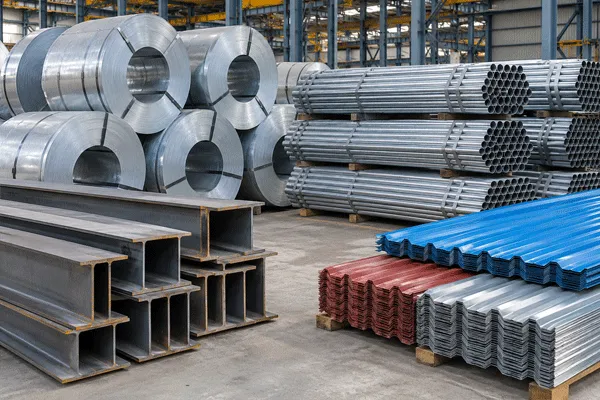
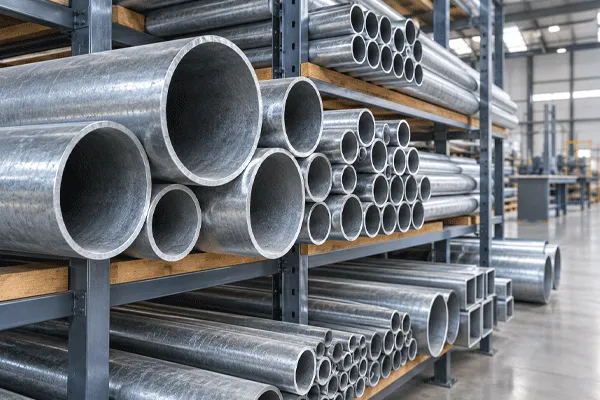
Choosing the wrong color coated steel can lead to early rust, roof complaints, fading, and higher project cost. Many buyers only compare price. That is risky. Understanding PPGI vs PPGL helps you choose the right coating, lifespan, and material for each project.
The difference between PPGI and PPGL is the base metallic coating under the paint. PPGI uses pre-painted galvanized steel with a zinc coating, while PPGL uses pre-painted galvalume steel with an aluminum-zinc alloy coating. PPGL usually offers better corrosion resistance and heat resistance, while PPGI is widely used for roofing, wall panels, appliances, and general building products.
Article Outline
- What are PPGI and PPGL?
- What is the main difference between PPGI and PPGL?
- How does the coating structure affect performance?
- PPGI vs PPGL: which has better corrosion resistance?
- Which material has better heat resistance and durability?
- How do PPGI sheet and PPGL sheet compare for roof projects?
- What are the common applications of PPGI and PPGL?
- How should buyers choose between PPGI or PPGL?
- What specifications should importers check before ordering steel coils?
- Why work with a professional PPGI and PPGL steel supplier?
- FAQs about PPGI and PPGL sheets
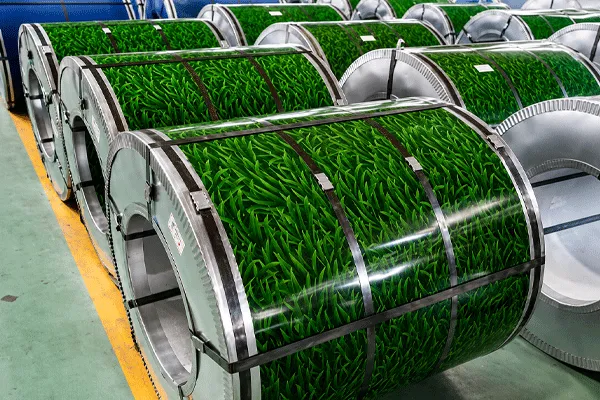
PPGI vs PPGL: What Is the Difference Between PPGI and PPGL Steel Coil and Sheet?
What Are PPGI and PPGL?
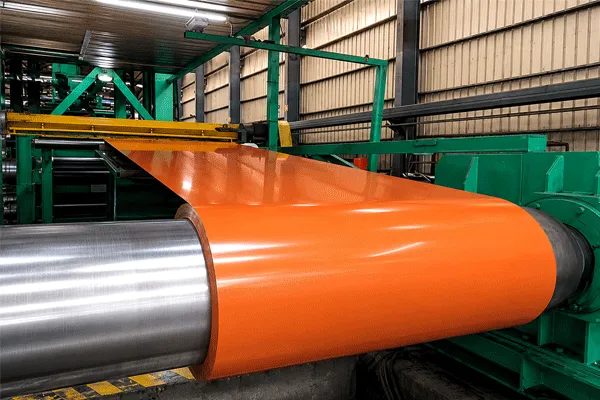
PPGI and PPGL are both types of pre-painted color coated steel. They are made from a metal-coated steel sheet, then coated with paint through a continuous coil coating process. The paint gives color, weather protection, and a finished surface for roofing, wall cladding, siding, appliances, and other steel products.
PPGI means pre-painted galvanized iron or pre-painted galvanized steel. It uses zinc-coated steel as the base. In simple words, PPGI uses zinc-coated steel, then adds primer and top paint. This gives the steel sheet color, smoother appearance, and extra protection.
PPGL means pre-painted galvalume steel. It uses galvalume steel as the base, which means the steel has an aluminum-zinc alloy coating before painting. ASTM A755 covers metallic-coated steel sheet that is coil-coated with organic films for exterior exposed building products, including products supplied in coils, cut lengths, and formed cut lengths.
What Is the Main Difference Between PPGI and PPGL?
The main difference between PPGI and PPGL is the metallic layer below the paint. PPGI has a galvanized steel base with zinc coating. PPGL has a galvalume steel base with an aluminum-zinc alloy coating. That base layer affects corrosion resistance, heat resistance, service life, and application choice.
Here is a simple comparison:
| Item |
PPGI |
PPGL |
| Full Name |
Pre-painted galvanized steel |
Pre-painted galvalume steel |
| Base Metallic Layer |
Zinc coating |
Aluminum-zinc alloy coating |
| Common Form |
PPGI sheet, PPGI coil |
PPGL sheet, PPGL coil |
| Main Strength |
Flexible, common, cost-effective |
Better corrosion resistance and heat resistance |
| Common Use |
Roof, wall panels, appliances, doors |
Roof, wall panels, coastal roofing, hot climates |
| Appearance |
Many RAL colors and finishes |
Many RAL colors and finishes |
| Buyer Type |
Roofing sheet factories, distributors, contractors |
Roofing projects, coastal buyers, long-term building projects |
Understanding the difference between PPGI and PPGL is essential because two coils may look similar from the outside. The paint color may be the same. The thickness may be the same. But the coating under the paint is different, and that difference can decide how the product performs after years of exposure.
How Does the Coating Structure Affect Performance?
The coating structure of PPGI and PPGL steel controls how the material protects the steel sheet. In PPGI, the zinc coating protects the base steel. Zinc works as a barrier and also gives sacrificial protection. If a cut edge is exposed, zinc can help protect nearby steel.
In PPGL, the aluminum-zinc alloy coating provides a different type of protection. Aluminum in the coating provides barrier protection, while zinc supports sacrificial protection. This combination helps PPGL perform well in many roofing and wall cladding environments, especially where heat and weather exposure matter.
A typical color coated steel structure looks like this:
| Layer |
Function |
| Top paint |
Color, weather resistance, UV protection |
| Primer |
Adhesion and added corrosion protection |
| Metallic coating |
Zinc or aluminum-zinc protection |
| Steel substrate |
Strength and formability |
| Back paint |
Protection for the inner side |
ASTM A755 states that the substrate for prepainted metallic-coated steel may be selected from several metallic-coated steel sheet products depending on purchaser requirements. This is why buyers must confirm both the paint system and the base coating before placing an order.
PPGI vs PPGL: Which Has Better Corrosion Resistance?
In many roofing and outdoor applications, PPGL offers better corrosion resistance than PPGI, especially in long-term exposure conditions. The aluminum-zinc coating can give strong barrier protection and help the steel resist moisture, rain, and atmospheric corrosion.
That does not mean PPGI is weak. PPGI is widely used because galvanized steel has practical corrosion resistance, good processing performance, and competitive cost. For many normal building projects, warehouses, factories, inner wall panels, and general roof profiles, PPGI offers a strong balance of price and performance.
The choice between PPGI and PPGL depends on the project environment. If the building is near the sea, in a humid area, or exposed to harsh weather conditions, PPGL may be the safer choice. If the project is inland, cost-sensitive, and not highly corrosive, PPGI may be more practical.
Which Material Has Better Heat Resistance and Durability?
PPGL often has better heat resistance than PPGI because of its aluminum-zinc alloy coating. Metal roofing specialists commonly describe galvalume roofing as having better heat resistance than galvanized steel roofing due to the properties of the aluminum-zinc alloy coating.
This matters for roofing in hot climates. A roof can face high sunlight, high surface temperature, rain, and wind. When the material has better heat resistance and better corrosion resistance, it may support a longer lifespan in demanding environments.
However, durability is not only about PPGI or PPGL. The final service life also depends on:
- Base steel grade
- Coating weight
- Paint type
- Primer quality
- Top paint thickness
- Installation method
- Storage condition
- Roof slope and drainage
- Local weather
- Maintenance
A low-quality PPGL sheet may fail faster than a well-made PPGI sheet. That is why buyers should compare full specifications, not only the product name.
How Do PPGI Sheet and PPGL Sheet Compare for Roof Projects?
For roof projects, both PPGI sheet and PPGL sheet can be used. The right choice depends on climate, budget, roof design, color requirement, and expected lifespan. PPGI is widely used in roofing because it is easy to form, available in many colors, and suitable for many building applications.
A PPGL sheet may be preferred for coastal roofing, long-term roofing, and roofing in hot climates. PPGL performs better in many demanding outdoor environments because the aluminum-zinc coating provides strong barrier protection. Compared to PPGI, PPGL may offer longer service life in specific conditions.
| Roofing Condition |
Better Choice |
Reason |
| General warehouse roof |
PPGI |
Good balance of cost and performance |
| Coastal roof |
PPGL |
Better corrosion resistance than PPGI |
| Hot climate roof |
PPGL |
Better heat resistance |
| Low-cost temporary building |
PPGI |
More economical |
| Long-term industrial building |
PPGL |
Stronger durability in harsh exposure |
| Decorative wall panel |
PPGI or PPGL |
Depends on coating, color, and environment |
For roofing sheet manufacturers, both PPGI and PPGL sheets can be roll-formed into roofing profiles. The steel sheet may become corrugated roofing, trapezoidal sheet, wall cladding, sandwich panel surface, or siding.
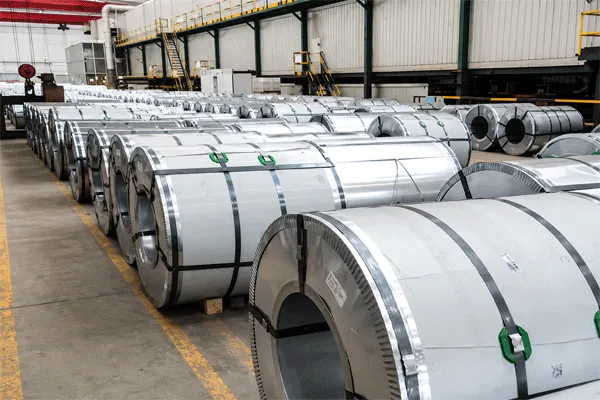
PPGI vs PPGL: What Is the Difference Between PPGI and PPGL Steel Coil and Sheet?
What Are the Common Applications of PPGI and PPGL?
The applications of PPGI and PPGL overlap in many industries. Both are color coated steel products used in various industries, especially construction and manufacturing.
Common applications of PPGI include:
- Roofing panels
- Wall cladding
- Siding
- Ceiling panels
- Doors
- Home appliances
- HVAC covers
- Garage doors
- Light steel structure panels
- Furniture panels
PPGL uses include:
- Coastal roofing
- Industrial roof panels
- Wall panels
- Long-term roofing projects
- Warehouses
- Factories
- Agricultural buildings
- Exterior building panels
- Hot-climate roofing profiles
PPGI offers strong color flexibility and cost control. PPGL offers superior resistance in many outdoor conditions. The two products are similar to PPGI in appearance, but their base coating makes them perform differently.
How Should Buyers Choose Between PPGI or PPGL?
To choose between PPGI and PPGL, start with the project environment. Do not start with price. Price matters, but wrong material costs more when panels fail early.
Ask these questions:
- Will the roof be exposed to salt air?
- Is the building near a coastal area?
- Does the project need long lifespan?
- Is heat resistance important?
- What paint system is required?
- What coating weight is specified?
- Will the sheet be roll-formed, bent, or cut?
- What RAL color does the buyer need?
- Will the material be stored outdoors before installation?
- Does the project require third-party inspection?
The choice between PPGI and PPGL also depends on buyer type. A building material wholesaler may need both materials to serve different customers. A roofing contractor may prefer PPGL for difficult environments. A distributor may choose PPGI for price-sensitive markets and PPGL for premium projects.
What Specifications Should Importers Check Before Ordering Steel Coils?
When ordering PPGI and PPGL steel, importers should confirm full specifications. A simple request like “0.45 mm color coated coil” is not enough. The supplier needs details to quote correctly and avoid shipment problems.
Key order details include:
| Specification |
Why It Matters |
| Product type |
PPGI or PPGL |
| Base steel |
Galvanized steel or galvalume steel coils |
| Thickness |
Affects strength and cost |
| Width |
Must match roll forming machine |
| Coating |
Zinc coating or aluminum-zinc alloy coating |
| Paint system |
PE, SMP, HDP, PVDF, or project requirement |
| Color |
RAL color or custom color |
| Gloss |
Affects appearance |
| Surface |
Smooth, matte, embossed, printed if needed |
| Coil weight |
Affects loading and handling |
| Coil ID |
Must match decoiler |
| Packaging |
Protects during sea freight |
| MTC |
Supports traceability |
| Inspection |
Supports quality control |
For international buyers, MTC documents, third-party inspection, seaworthy packaging, and safe logistics are important. Poor packaging can cause water stains, edge damage, and claims. Wrong coil ID can stop production. Wrong color can delay a roof project.
How Do Paint Systems Affect PPGI and PPGL Service Life?
The paint system is one of the most important parts of pre-painted steel. Even if the base coating is strong, poor paint can fade, chalk, peel, or crack. Buyers should match the paint system to the project environment.
Common paint types include:
| Paint Type |
Common Use |
Feature |
| PE |
General buildings |
Cost-effective |
| SMP |
Better weather resistance |
Good for outdoor panels |
| HDP |
Higher durability |
Good color retention |
| PVDF |
Premium exterior projects |
Strong UV and weather resistance |
PPGL has better base corrosion resistance compared to PPGI in many conditions, but paint selection still matters. A PVDF-coated PPGI may perform better in color retention than a low-end PE-coated PPGL in some projects. This is why selecting the right material requires a complete view.
For project contractors, this is also where a professional supplier adds value. The best choice is not always the most expensive coil. It is the coil that matches the roof exposure, budget, project life, and local environment.
PPGI vs PPGL: What Is the Difference Between PPGI and PPGL Steel Coil and Sheet?
Why Work With a Professional PPGI and PPGL Steel Supplier?
A professional steel supplier should help buyers reduce risk, not only sell steel coils. Global steel importers, roofing sheet manufacturers, construction contractors, steel structure fabricators, and building material wholesalers need stable quality, clear documents, competitive price, and fast delivery.
As a professional steel manufacturer and integrated steel supplier in China, we support PPGI steel coils, PPGL steel coils, galvanized steel coils, galvalume steel coils, hot rolled steel coils and sheets, cold rolled steel coils and sheets, steel plate, steel pipes, stainless steel sheets and coils, aluminum materials, and copper materials.
We also support OEM / ODM customization, including:
- Customized thickness
- Customized width
- Coating weight selection
- Surface treatment
- RAL colors
- Cutting
- Slitting
- Profiling
- Packaging
- Third-party inspection
- MTC documents
- International logistics
A trusted supplier should ask about your application before quoting. If the supplier does not ask whether the material is for roof, wall panel, coastal project, appliance, or industrial building, the quote may not match the real use.
Practical Case: Choosing PPGI or PPGL for a Roofing Project
Imagine a roofing sheet manufacturer buying color coated steel coils for two markets. One market is inland and price-sensitive. The other market is coastal, hot, and humid.
For the inland market, PPGI may be a smart choice. It provides color, good forming performance, and practical corrosion resistance. For the coastal market, PPGL may be better because PPGL has better resistance than PPGI in many outdoor exposure environments.
| Market |
Recommended Material |
Reason |
| Inland warehouse roof |
PPGI |
Cost-effective and widely used |
| Coastal roofing |
PPGL |
Better corrosion resistance |
| Hot industrial roof |
PPGL |
Better heat resistance |
| Short-term farm building |
PPGI |
Lower cost |
| Long-term factory roof |
PPGL |
Better durability |
| Decorative wall panel |
PPGI or PPGL |
Depends on color and exposure |
This is the real value of understanding the difference between PPGI and PPGL. It helps buyers avoid one-material thinking. A smart importer may stock both products and sell them to different applications.
FAQs About PPGI and PPGL Sheets
What’s the difference between PPGI and PPGL?
The difference between PPGI and PPGL is the base metallic coating. PPGI uses pre-painted galvanized steel with a zinc coating. PPGL uses pre-painted galvalume steel with an aluminum-zinc alloy coating.
Which is better, PPGI or PPGL?
PPGL is often better for corrosion resistance, heat resistance, coastal roofing, and long-term outdoor exposure. PPGI is often better for cost-sensitive projects, general roofing, wall panels, appliances, and common building applications.
Is PPGL longer lasting than PPGI?
PPGL can last longer than PPGI in many harsh outdoor environments, especially coastal and hot climates. However, lifespan also depends on paint system, coating weight, installation, storage, and maintenance.
Can PPGI and PPGL sheets be used for roofing?
Yes. PPGI and PPGL sheets are widely used in roofing. PPGI is common for general roof panels. PPGL sheet is often preferred for coastal roofing, industrial roofing, and roofing projects requiring stronger durability.
What is PPGL steel?
PPGL steel is pre-painted galvalume steel. It uses a galvalume base, usually an aluminum-zinc alloy coating, and then receives primer and top paint for color and extra protection.
How do I choose a PPGI and PPGL steel supplier?
Choose a supplier that can confirm product type, coating, thickness, width, paint system, RAL color, coil weight, MTC, inspection, packaging, and delivery time. A reliable supplier should provide technical support, customization, and stable export service.
Key Takeaways
- PPGI and PPGL are both color coated steel products used for roofing, wall panels, construction, and manufacturing.
- The difference between PPGI and PPGL is the base metallic coating.
- PPGI uses zinc-coated galvanized steel as the base.
- PPGL uses aluminum-zinc alloy coated galvalume steel as the base.
- PPGL often offers better corrosion resistance and better heat resistance.
- PPGI is widely used because it is cost-effective, flexible, and suitable for many applications.
- The best choice depends on roof environment, coating weight, paint system, lifespan target, and budget.
- A professional steel supplier can help buyers select the right coil, confirm specifications, provide MTC documents, support inspection, and arrange safe export packaging.








 07-03 2026