Buying the wrong stainless steel sheet can waste money, delay fabrication, and cause rust, dents, or poor fitting. The problem grows when buyers do not know grade, finish, size, or gauge. This guide gives a clear way to choose the right sheet for your project.
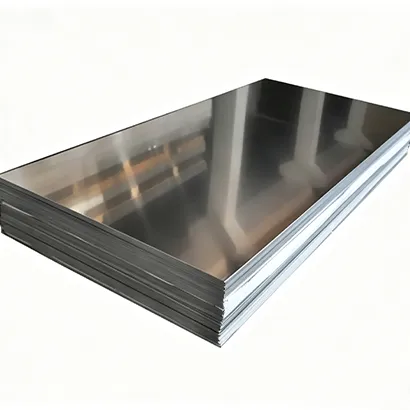
Stainless steel sheet is a flat metal material used in construction, kitchen equipment, wall protection, machinery, marine applications, and industrial fabrication. Buyers choose it by grade, size, thickness, finish, and surface protection. Common choices include 304 stainless steel, 316, 316L stainless steel, and 430, with options such as 2B finish, brushed finish, mirror polish, and cut to size processing.
Article Outline
- What Is Stainless Steel Sheet and Why Is It Popular?
- How Do You Choose Stainless Steel Sheet Metal by Grade?
- What Is the Difference Between 304, 316, 316L, and 430 Stainless Steel?
- How Do Gauge, Thickness, 16 Gauge, and 24ga Affect Selection?
- What Size Options Are Common, Including 48 x 96 and Cut to Size?
- Which Finish Should You Choose: 2B, 4 Finish, Brushed, or 8 Mirror Finish?
- Where Is Stainless Steel Sheet Used in Kitchen, Wall, Marine, and Food Processing Projects?
- How Do Protective Film, PVC Film, and Packaging Help During Installation?
- How Does Stainless Steel Compare with Aluminum Sheet and Other Metal Materials?
- What Should Import Buyers Check Before Placing a Stainless Steel Sheet Order?
- FAQs About Stainless Steel Sheet
- Key Takeaways for Global Buyers
What Is Stainless Steel Sheet and Why Is It Popular?
A stainless steel sheet is a flat stainless metal product supplied in standard sheets, custom sheets, or coil form. It is thinner than a heavy stainless steel plate and easier to cut, bend, polish, brush, and install. Buyers use it when they need a clean surface, good strength, and long service life.
The key reason stainless steel works so well is its corrosion resistance. It forms a thin protective layer on the surface, which helps fight rust and staining in many daily and industrial uses. That makes it useful for construction, kitchen appliances, machinery covers, wall panels, elevator panels, tanks, and decorative projects.
As a professional steel manufacturer and integrated supplier in China, we often help buyers choose stainless steel sheet by grade, finish, size, and processing needs. We do not only supply raw material. We also support cutting, slitting, profiling, packing, MTC documents, third-party inspection, and international logistics.
Quick buyer view:
| Buyer Need |
Stainless Sheet Benefit |
| Clean appearance |
Smooth surface and polish options |
| Better hygiene |
Easy to clean for kitchen and food areas |
| Longer service life |
Good resistance to corrosion |
| Custom size |
Can be cut and processed |
| Export projects |
Strong packing and document support |
For steel importers, distributors, contractors, and manufacturers, the right sheet can reduce waste and make production easier.
How Do You Choose Stainless Steel Sheet Metal by Grade?
Choosing stainless steel sheet metal starts with the grade. The grade decides how the material performs in moisture, salt air, heat, chemical exposure, and fabrication. A low-cost grade may work well indoors. A stronger grade may be needed for a marine or chemical environment.
The most common grades include 304 stainless steel, 316, 316L, and 430. Each grade has a different balance of strength, price, corrosion resistance, and magnetic behavior. Before placing an order, buyers should match the grade to the real use.
Here is a simple selection table:
| Grade |
Best For |
Simple Buyer Note |
| 304 stainless steel |
General use, kitchen, equipment, wall panels |
Good all-around choice |
| 316 |
Marine, chemical, high-moisture areas |
Better corrosion performance |
| 316L stainless steel |
Welding, tanks, special fabrication |
Lower carbon version |
| 430 |
Indoor decorative parts, appliances |
Magnetic and cost-friendly |
| 201 / other grades |
Budget decorative uses |
Confirm quality carefully |
A smart selection is not always the most expensive one. It is the one that fits your application, environment, budget, and production method.
What Is the Difference Between 304, 316, 316L, and 430 Stainless Steel?
304 stainless steel sheet is one of the most widely used options. It is common in kitchen equipment, worktables, doors, wall panels, appliances, and general fabrication. It has good formability, a clean look, and strong everyday corrosion resistance.
316 contains added alloy elements that help improve resistance in harsher places. Buyers often choose 316 for marine, coastal, food processing, chemical, and wash-down areas. If welding is important, 316L stainless steel can help reduce some weld-related corrosion risks because of its lower carbon content.
430 stainless steel sheet metal is different. It is ferritic, which means it is magnetic. It is often used for appliance panels, interior decoration, and lower-cost projects where the environment is not too harsh. It is useful, but it is not the same as 304 or 316.
Simple comparison:
| Grade |
Magnetic? |
Typical Use |
Buyer Reminder |
| 304 |
Usually non-magnetic |
Kitchen, wall, equipment |
Good general grade |
| 316 |
Usually non-magnetic |
Marine and chemical use |
Better for salt or harsh areas |
| 316L |
Usually non-magnetic |
Welded tanks and equipment |
Better for welding needs |
| 430 |
Yes |
Indoor panels and trim |
Good budget choice |
One buyer once told us, “I only asked for stainless, but I should have asked for the right stainless.” That is true. The grade decides the result.
How Do Gauge, Thickness, 16 Gauge, and 24ga Affect Selection?
Gauge is a common way to describe sheet thickness in some markets. A lower gauge number usually means a thicker sheet. For example, 16 gauge stainless steel is thicker and stronger than 24ga stainless sheet. This matters for strength, weight, bending, cost, and installation.
A gauge stainless steel choice should match the job. If the sheet is too thin, it may dent or wave. If it is too thick, it may cost more and become harder to bend or install. For large wall panels, cabinets, machine guards, and commercial kitchen panels, thickness must be checked before production.
Basic selection chart:
| Use |
Common Thickness Direction |
| Decorative wall covering |
Thinner sheet may be enough |
| Kitchen wall panels |
Medium thickness is common |
| Machinery covers |
Stronger sheet may be needed |
| Heavy-duty fabrication |
Thicker sheet or plate may fit better |
| Marine applications |
Grade and thickness both matter |
For export buyers, we suggest confirming both gauge and millimeter thickness. This avoids confusion between different regional standards. If your drawing says 16, please also share the exact millimeter or inch value. Small details save big trouble.
What Size Options Are Common, Including 48 x 96 and Cut to Size?
Many buyers ask for standard sheet size first. Common sizes include 1000 x 2000 mm, 1219 x 2438 mm, 1500 x 3000 mm, and 48 x 96 inches. The 48 x 96 size is popular because it works well for wall panels, equipment covers, and general fabrication.
But standard size is not always the best size. If your factory needs less waste, a cut to size service can help. We can cut stainless steel sheet to match drawings, installation areas, or production needs. This is useful for contractors, kitchen equipment makers, machine factories, elevator companies, and wall protection suppliers.
Common order formats:
| Format |
Best For |
| Sheet |
Panels, covers, fabrication |
| Coil or roll |
Large production and continuous processing |
| Strip |
Narrow parts, stamping, edge parts |
| Custom cut sheet |
Faster installation and less waste |
| Plate |
Heavy structure and load-bearing parts |
A stainless sheet can also be supplied from a roll or coil before leveling and cutting. If your project has high quantity needs, coil processing may reduce cost and improve supply stability.
Which Finish Should You Choose: 2B, 4 Finish, Brushed, or 8 Mirror Finish?
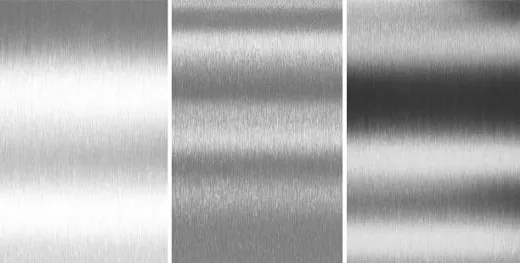
The finish affects appearance, cleaning, installation, and final product value. A basic 2B finish is smooth and practical. It is often used for industrial parts, tanks, equipment, and later processing. It is not highly reflective, but it is clean and useful.
A 4 finish or No. 4 brushed finish has fine lines in one direction. Many buyers call it brushed finish. It is common for kitchen panels, elevator doors, appliance panels, furniture, and decorative wall panels. A 4 brushed finish gives a neat look without being too shiny.
An 8 mirror finish is much more reflective. It is often chosen for high end decoration, hotel panels, elevator decoration, and display areas. It may need careful handling because scratches can be easy to see.
Finish selection guide:
| Finish |
Appearance |
Common Use |
| 2B |
Smooth, dull, practical |
Tanks, equipment, fabrication |
| No. 4 / brushed |
Fine line texture |
Kitchen, elevator, wall panels |
| Mirror / 8K |
Bright and reflective |
Decoration, high end projects |
| BA |
Bright, smooth |
Decorative and appliance use |
| Custom polish |
Buyer-defined appearance |
Special projects |
If you need to brush or polish stainless steel, please confirm the direction of the lines, surface standard, and whether a protective layer is required.
Which Finish Should You Choose
Where Is Stainless Steel Sheet Used in Kitchen, Wall, Marine, and Food Processing Projects?
A stainless steel sheet has many uses because it is clean, strong, and easy to maintain. In the kitchen, it is used for worktables, splash areas, shelves, cabinets, range hoods, and panels behind cooking areas. It is also popular for back splashes because it is easy to wipe clean.
For wall projects, stainless steel works as a wall covering, wall protection, and decorative panel. It helps protect public buildings, factories, hospitals, laboratories, food plants, and commercial kitchens from impact, moisture, and daily cleaning damage.
In marine environments, buyers often choose 316 or 316L because salt and moisture can attack lower-grade material faster. For food processing, buyers usually ask for smooth surfaces, clean edges, good packaging, and traceable MTC documents.
Application table:
| Industry |
Recommended Direction |
| Commercial kitchen |
304 with brushed finish |
| Food processing |
304 or 316, clean surface |
| Marine applications |
316 or 316L |
| Interior wall panels |
304 or 430 |
| Machinery factory |
304, 2B, or custom finish |
| Chemical equipment |
316 or project-specific grade |
| Residential decoration |
304 or 430 depending on budget |
The right stainless steel makes the final product look better and last longer.
How Do Protective Film, PVC Film, and Packaging Help During Installation?
Surface protection is very important. A beautiful stainless steel sheet can lose value if it gets scratched before installation. That is why many decorative sheets use protective film. The film helps protect the finish during cutting, bending, shipping, and installation.
For brushed, mirror, and decorative sheets, buyers often request PVC film. This protective layer can reduce scratches from handling and tools. It is not a replacement for careful work, but it gives extra safety.
Safe export packaging matters too. We can provide seaworthy packing for stainless steel sheets, coils, pipes, and other steel products. Good packing may include waterproof paper, wooden pallets, edge protection, steel straps, labels, and container loading support.
Packaging checklist:
- Confirm sheet size and quantity
- Use proper pallet or crate
- Protect corners and edges
- Add waterproof protection
- Use clear product labels
- Keep MTC and inspection documents ready
- Plan container loading before ship date
When we ship stainless steel products, our goal is simple: the material should arrive clean, stable, and ready for use.
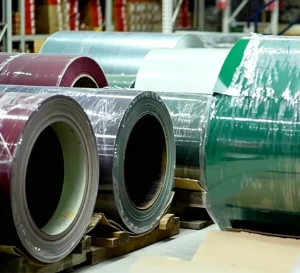
PVC PE films to prevent
How Does Stainless Steel Compare with Aluminum Sheet and Other Metal Materials?
Stainless steel is strong and corrosion resistant, but it is not the only choice. Some buyers compare it with aluminum sheet, carbon steel, galvanized steel, copper, and coated metal. The right choice depends on weight, price, environment, strength, and appearance.
Aluminum is lighter than stainless steel. It is often used for transport panels, signs, equipment covers, and light structures. Stainless steel is usually heavier, stronger, and better for wear, hygiene, and many wet environments.
Material comparison table:
| Material |
Main Benefit |
Common Buyer |
| Stainless steel |
Clean, strong, corrosion resistant |
Kitchen, machinery, construction |
| Aluminum |
Light weight |
Transport, panels, signs |
| Galvanized steel |
Cost-friendly rust protection |
Roofing and construction |
| Carbon steel |
Strong and economical |
Structure and machinery |
| Copper |
Conductive |
Electrical and heat transfer |
As an integrated steel supplier, we can help buyers compare stainless steel sheets, stainless steel coils, aluminum coils, copper plates, steel pipes, galvanized coils, PPGI coils, PPGL coils, and steel sections. This saves time when one project needs several materials.
What Should Import Buyers Check Before Placing a Stainless Steel Sheet Order?
Before placing an order, buyers should make the requirement clear. A good inquiry is not only “send price.” It should include grade, size, finish, thickness, quantity, processing, inspection, packing, and destination.
For OEM / ODM buyers, we can support customized thickness, width, surface finish, cutting, slitting, profiling, labels, packaging, third-party inspection, MTC traceability, and international logistics. This is helpful for steel distributors, construction contractors, wall panel suppliers, machinery factories, and engineering companies.
Buyer inquiry checklist:
| Information |
Example |
| Grade |
304, 316, 316L, 430 |
| Size |
1219 x 2438 mm or 48 x 96 |
| Thickness |
0.8 mm, 1.0 mm, 1.5 mm |
| Finish |
2B, brushed, mirror, BA |
| Surface protection |
PVC film or no film |
| Quantity |
Sheets, tons, or containers |
| Processing |
Cut, slit, polish, bend |
| Documents |
MTC, inspection report |
| Packing |
Pallet, crate, seaworthy packing |
| Destination |
Port and country |
Case example: wall panel contractor
A contractor needed stainless steel panels for a commercial kitchen project. The buyer first asked only for “304 sheets.” After we checked the use, we suggested 304 with brushed finish, PVC protective film, custom cut panels, and strong pallet packing. The buyer reduced installation waste and avoided surface scratches.
That is the value of working with a supplier who understands both material and application.
FAQs About Stainless Steel Sheet
Is stainless steel sheet the same as stainless steel plate?
No. Stainless steel sheet is usually thinner and easier to cut, bend, and install. Stainless steel plate is thicker and used for heavier fabrication, tanks, structures, and load-bearing parts.
What is the best grade for kitchen stainless steel sheet?
304 stainless steel is a common choice for kitchen equipment, wall panels, shelves, and back splashes. For salty, wet, or chemical areas, 316 may be a better choice.
Is 430 stainless steel good for wall panels?
Yes, 430 can work for indoor wall panels and decorative uses when the environment is mild. It is magnetic and usually more economical than 304, but it has lower corrosion resistance than 304 or 316.
Can stainless steel sheet be cut to size?
Yes. Stainless steel sheet can be cut to size based on drawings, standard sizes, or installation needs. Cutting helps reduce waste and saves time during fabrication or installation.
What finish is best for decorative stainless steel sheet?
No. 4 brushed finish is a popular choice for decorative panels, kitchen walls, elevator panels, and appliances. Mirror finish is better for high end decoration, but it needs careful handling.
Should I request protective film on stainless steel sheets?
Yes, if the surface is decorative or must stay clean during shipping and installation. Protective film helps reduce scratches, especially on brushed and mirror sheets.
Key Takeaways
- Stainless steel sheet is a flat metal material used in construction, kitchen, marine, machinery, food processing, and decorative projects.
- 304 stainless steel is a good general-purpose choice, while 316 and 316L fit harsher marine or chemical environments.
- 430 stainless steel is magnetic and often used for indoor decorative or cost-sensitive projects.
- Gauge, thickness, and size must be confirmed clearly before production.
- 48 x 96 is a common sheet size, but custom cut to size service can reduce waste.
- 2B, brushed, 4 finish, 8 mirror finish, and custom polish options serve different visual and functional needs.
- Protective film and strong export packaging help prevent scratches and transport damage.
- A reliable China steel supplier should support grade selection, processing, MTC documents, third-party inspection, OEM / ODM customization, and safe international shipping.








 06-16 2026