Poor material choice can raise cost, delay production, and cause rejects. The issue gets worse when buyers cannot tell the difference between hot rolled and cold rolled steel. This guide gives you a clear way to choose the right steel for your project.
Cold rolled steel is steel made from hot rolled stock that is further processed after cooling, usually near room temperature. The cold roll process improves surface finish, thickness accuracy, dimensional tolerances, and strength. It is often used for steel sheet, precision parts, appliance panels, furniture, machinery parts, and projects that need a cleaner surface than hot rolled steel.
Article Outline
- What Is Cold Rolled Steel and Why Do Buyers Choose It?
- What Is the Main Difference Between Hot Rolled Steel and Cold Rolled Steel?
- How Does the Cold Roll Process Improve Tolerance, Thickness, and Surface Finish?
- What Type of Steel Products Can Be Made from Cold Rolled Steel?
- How Do Yield Strength, Hardness, Ductility, and Tensile Strength Affect Selection?
- When Should You Choose Cold Rolled Steel Sheet Instead of Steel Plate?
- Can Cold Rolled Steel Be Welded, Formed, Cut to Size, and Customized?
- What Surface Conditions, Coating, and Packaging Should Import Buyers Check?
- How Do Global Buyers Compare Cold Rolled Steel, Galvanized Steel, Stainless Steel, Aluminum, and Copper?
- How Can a China Steel Supplier Support OEM / ODM Steel Projects?
- Cold Rolled Steel Buying Checklist for Importers and Contractors
- FAQs About Cold Rolled Steel
What Is Cold Rolled Steel and Why Do Buyers Choose It?
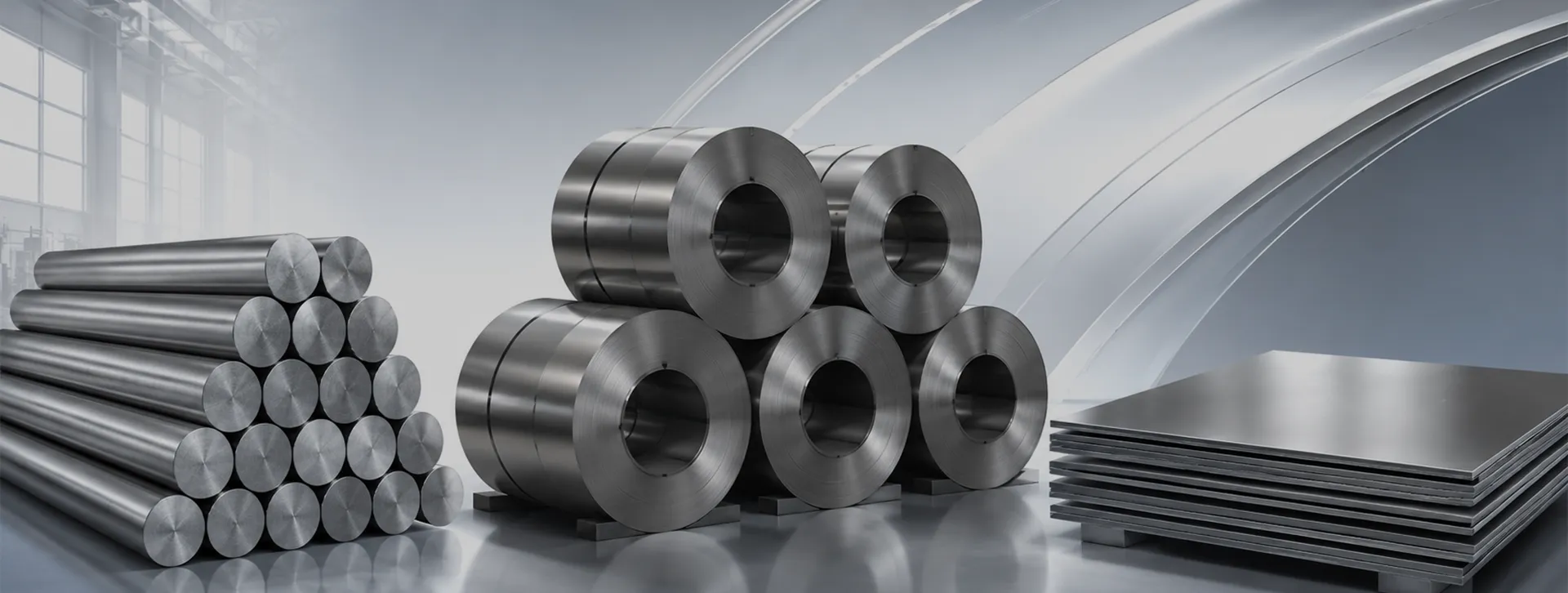
Cold rolled steel is essentially hot rolled steel that has been processed again after it becomes cool. In simple words, rolled steel is essentially hot material first, and then it is improved later. This second step happens at or near room temperature, not at high heat. That is why we call it cold roll processing.
What Is Cold Rolled Steel and Why Do Buyers Choose It?
Buyers choose cold rolled steel because it looks cleaner, measures more accurately, and feels smoother than rougher hot rolled material. For many factory parts, furniture panels, appliance shells, metal cabinets, shelves, doors, machinery covers, and precision steel sheet jobs, this matters a lot.
As an integrated steel supplier in China, we often see one common issue: buyers know they need “steel,” but they are not sure which grade, finish, or thickness will work best. We help them compare steel products, choose a practical option, and arrange processing, inspection, documents, and export packaging.
Simple buyer view:
| Buyer Need |
Why Cold Rolled Steel Helps |
| Clean surface |
Better visual appearance |
| Accurate size |
Better fit in production |
| Stable thickness |
Less waste during fabrication |
| Better shape |
Good for panels and formed parts |
| Custom processing |
Easy to slit, cut, and pack |
What Is the Main Difference Between Hot Rolled Steel and Cold Rolled Steel?
The main difference between hot rolled and cold rolled material is the rolling temperature and the final result. Hot rolled steel is steel processed at high heat, above the recrystallization temperature. It is easier to shape at that stage. But when it becomes cool, it may have scale, shrinkage, and looser size control.
Cold rolled steel starts from hot rolled stock. After the steel is cool, it passes through a roller again under pressure. This cold roll step improves the dimensional accuracy and gives a smoother surface. It can also make the material harder and stronger.
Here is a simple table for understanding the differences between hot and cold rolled options:
| Item |
Hot Rolled Steel |
Cold Rolled Steel |
| Process |
Made by hot rolling |
Further rolled after cooling |
| Surface |
Rougher, may have scale |
Cleaner, smoother |
| Size accuracy |
General use |
Better tolerance |
| Strength |
Good for structure |
Higher strength in many cases |
| Cost |
Usually lower |
Usually higher |
| Common use |
Heavy structure, base material |
Panels, precision parts, visible parts |
For many projects, the choice is not “which one is better.” The real question is: which one fits your use, budget, and processing plan?
How Does the Cold Roll Process Improve Tolerance, Thickness, and Surface Finish?
The cold roll process presses the steel through rollers after it has cooled. This controlled pressure helps reduce thickness, improve shape, and create tighter dimensional tolerances. In daily buying language, it means the steel is easier to use when parts must fit well.
A smooth surface finish is another major reason buyers request cold rolled steel. If your product will be painted, stamped, folded, or used as visible sheet metal, the surface matters. A poor surface may lead to more polishing, coating problems, and production delays.
Still, cold roll processing can create internal stresses. If the material is not handled well, it may warp after cutting or forming. For some uses, the steel may need to anneal, which means heating and cooling in a controlled way to reduce stress and improve forming behavior.
Cold roll result chart:
- Hot rolled coil
- ↓ cool
- Pickle or clean surface
- ↓
- Cold roll through roller
- ↓
- Control thickness and shape
- ↓
- Anneal / temper if needed
- ↓
- Cut, slit, pack, export
This is why buyers should not only ask for price. They should also ask about tolerance, thickness range, surface conditions, packing, and test documents.
What Type of Steel Products Can Be Made from Cold Rolled Steel?
Cold rolled steel is widely used in flat steel products. The most common form is coil or steel sheet. From there, it can be slit into narrow strips, leveled, cut to size, or processed into parts. For roofing sheet manufacturers, machinery factories, furniture makers, and appliance suppliers, this flexibility is valuable.
A common type of steel used for cold rolled material is carbon steel. Carbon steel can offer good strength, useful forming ability, and cost efficiency. Depending on the carbon content, some grades form more easily, while others give higher strength.
Cold rolled material can support many applications:
- Electrical cabinet panels
- Door panels and metal furniture
- Machinery covers and brackets
- Shelving and storage systems
- Home appliance parts
- Automotive and light industrial parts
- Painted or coated steel products
- Precision components with specific dimensions
Some buyers also compare cold rolled steel with galvanized coils, galvalume coils, PPGI coils, PPGL coils, stainless steel sheets, and aluminum coils. A good steel supplier should not push one product for every case. The right answer depends on the environment, forming needs, coating plan, and cost target.
How Do Yield Strength, Hardness, Ductility, and Tensile Strength Affect Selection?
A steel buyer does not need to be a metallurgist. But a few basic terms help you avoid mistakes. Yield strength tells you when steel starts to bend and stay bent. Tensile strength shows its resistance against tension breaking. Hardness relates to surface resistance, wear behavior, and how the steel reacts during forming.
Cold rolled steel can offer high strength and better resistance against deformation than some hot rolled options. That helps when parts must stay flat, stable, or precise. But higher strength can also mean lower ductility, which means the material may not stretch or bend as easily.
A short buyer table helps:
| Property |
Simple Meaning |
Why It Matters |
| Yield strength |
When steel starts to permanently bend |
Important for load and structure |
| Tensile strength |
Pulling force before breaking |
Useful for safety and design |
| Ductility |
Ability to bend or stretch |
Important for forming |
| Hardness |
Surface resistance |
Helps with wear and shape stability |
| Internal stresses |
Hidden stress from processing |
Can affect cutting and forming |
When we support OEM / ODM buyers, we check drawings, use conditions, forming needs, and target price before suggesting a grade. That saves time and avoids overbuying.
When Should You Choose Cold Rolled Steel Sheet Instead of Steel Plate?
Choose cold rolled steel sheet when your project needs a smoother surface, thinner size range, better tolerance, and cleaner appearance. Choose a steel plate when the project needs heavier thickness, higher load, and strong structure. In many cases, construction and heavy equipment use plate products, while panels and precision parts use steel sheet.
Cold rolled sheet is common in light manufacturing. It fits well when buyers need flatness, forming, punching, bending, or surface coating. Steel plate is better for large structures, bases, bridges, heavy machinery, and industrial platforms.
Quick selection guide:
| Project Type |
Better Choice |
| Appliance panel |
Cold rolled steel sheet |
| Metal cabinet |
Cold rolled sheet |
| Heavy base frame |
Steel plate |
| Warehouse structure |
Hot rolled steel or structural steel |
| Precision cover |
Cold rolled sheet |
| Load-bearing platform |
Plate products |
| Roofing substrate |
Galvanized or coated coil |
| Decorative panel |
Cold rolled or stainless steel |
The difference between hot rolled and cold rolled choices becomes clear when you match the material to the job. For visible and precise parts, cold rolled steel often wins. For big structural parts, hot rolled steel may be more practical.
Can Cold Rolled Steel Be Welded, Formed, Cut to Size, and Customized?
Yes. Cold rolled steel can be processed in many ways. It can be slit, leveled, sheared, punched, bent, profiled, and supplied in various shapes. It can also be cold formed into channels, brackets, panels, and light structural parts. For many global buyers, this processing support is as important as the raw steel itself.
Can you weld it? Yes, but the grade, thickness, surface condition, and coating must be checked. Thin cold rolled material needs good welding control. If the steel has oil, coating, or surface treatment, the buyer should confirm the welding method and cleaning steps.
As a steel manufacturer and integrated supplier, we support:
- Customized thickness and width
- Coil slitting and sheet cutting
- Profiling and bending support
- RAL color matching for coated coils
- Galvanized, galvalume, PPGI, and PPGL options
- Seaworthy export packaging
- MTC documents and third-party inspection
- OEM / ODM packaging and labels
This matters for steel distributors, roofing sheet producers, building material wholesalers, machinery factories, and engineering contractors. The goal is simple: deliver steel that fits your production line, not just steel that looks good on paper.
What Surface Conditions, Coating, and Packaging Should Import Buyers Check?
Import buyers should check surface conditions before placing an order. For cold rolled steel, the surface may be bright, matte, oiled, unoiled, or prepared for later coating. If the final part will be painted, stamped, or exposed to humidity, surface choice can affect performance.
Some buyers need pickle and oiled material. Others need galvanized or color coated products. A coating such as zinc, aluminum-zinc, or paint can improve corrosion protection. For roofing and wall cladding, PPGI and PPGL coils are often better choices than plain cold rolled steel.
Packaging is also critical. Steel is heavy. Ocean shipping can expose it to moisture, salt air, and rough handling. Safe packaging should include waterproof paper, steel straps, edge protection, inner and outer rings for coils, strong pallets when needed, and clear labels.
Import packaging checklist:
| Item |
Why It Matters |
| Waterproof paper |
Helps protect against moisture |
| Steel straps |
Keeps coil or bundle stable |
| Edge protection |
Reduces damage during handling |
| Clear labels |
Helps warehouse sorting |
| MTC documents |
Supports traceability |
| Third-party inspection |
Builds buyer confidence |
| Container loading plan |
Reduces transport risk |
Good packaging does not make steel stronger. But it protects your money.
How Do Global Buyers Compare Cold Rolled Steel, Galvanized Steel, Stainless Steel, Aluminum, and Copper?
Global buyers rarely buy only one product. A steel importer may buy cold rolled steel this month, galvanized steel coil next month, and stainless steel pipe for another project. That is why an integrated steel supplier can bring real value.
Cold rolled steel is a good base material for clean parts and later processing. Galvanized steel adds zinc protection. Galvalume steel gives aluminum-zinc protection. PPGI and PPGL add color and weather-friendly surfaces. Stainless steel resists corrosion better in many environments. Aluminum is light. Copper offers strong electrical and thermal performance.
Material comparison table:
| Material |
Main Advantage |
Common Buyers |
| Cold rolled steel |
Smooth, accurate, good for forming |
Machinery, appliance, furniture |
| Hot rolled steel |
Cost-effective for heavier use |
Construction, fabrication |
| Galvanized steel |
Better rust protection |
Roofing, building materials |
| PPGI / PPGL |
Color coated, ready for cladding |
Roofing sheet makers |
| Stainless steel |
Corrosion resistance |
Food, chemical, decoration |
| Aluminum |
Light weight |
Transport, panels, equipment |
| Copper |
Conductivity |
Electrical and industrial users |
This is where differences between hot and cold material become part of a larger buying plan. A smart buyer does not only ask, “Is this either hot or cold?” A smart buyer asks, “Which material gives the best life, processing speed, and total cost?”
How Can a China Steel Supplier Support OEM / ODM Steel Projects?
A reliable China steel supplier should offer more than a price list. Buyers need quick response, stable quality, flexible customization, export knowledge, and clear documents. When the order includes many sizes, coatings, and end uses, coordination becomes the real test.
We support global buyers with production, processing, customization, and export for steel and metal materials. Our product scope includes PPGI coils, PPGL coils, galvanized coils, galvalume coils, hot rolled coils and sheets, cold rolled coils and sheets, steel pipes, seamless pipes, welded pipes, square and rectangular hollow sections, H beams, C beams, angle steel, rebar, stainless steel sheets, stainless steel coils, stainless steel pipes, aluminum sheets, aluminum coils, aluminum pipes, copper rods, copper coils, copper plates, and copper pipes.

Case study: roofing sheet manufacturer
A roofing sheet manufacturer needed cold rolled base material and color coated coils for different markets. Their problems were mixed sizes, strict color needs, and export packaging. We helped review thickness, width, RAL colors, coating weight, slitting width, package labels, MTC documents, and container loading. The result was a simpler purchase plan and smoother production.
A buyer once told us, “The best supplier is not only the one with steel. It is the one who helps us avoid wrong steel.” That is exactly how we see our work.
Cold Rolled Steel Buying Checklist for Importers and Contractors
Before you buy cold rolled steel, check the full requirement. Do not only send “best price.” A better inquiry brings a better quotation. It also reduces back-and-forth time.
Use this checklist:
- Steel grade or standard, such as ASTM or other requested standard
- Coil, sheet, strip, or part form
- Thickness and width
- Length if sheets are required
- Quantity and delivery schedule
- Surface finish and oil condition
- Edge condition
- Tolerance requirement
- Mechanical properties if required
- Packing method
- MTC and inspection needs
- Destination port
- End use, such as construction, machinery, warehouse, greenhouse, or industrial facility
For steel sections, pipes, coils, and sheet materials, always share the application. A greenhouse supplier, a steel structure fabricator, a pipe buyer, and a machinery factory may all buy steel, but they do not need the same product.
Simple inquiry example:
We need cold rolled steel sheet, 1.0 mm thickness, 1250 mm width, cut to 2500 mm length, oiled surface, standard export packaging, MTC required, 2 containers, for metal cabinet production.
This kind of inquiry helps the supplier quote faster and more accurately.
FAQs About Cold Rolled Steel
Is cold rolled steel stronger than hot rolled steel?
In many cases, cold rolled steel can be stronger because the cold roll process changes the structure and improves strength. It may also offer better tolerance and smoother surface finish. But the exact result depends on grade, process, and final treatment.
Is cold rolled steel the same as stainless steel?
No. Cold rolled steel describes a process. Stainless steel describes an alloy family with chromium for better corrosion resistance. You can have cold rolled carbon steel and cold rolled stainless steel, but they are not the same material.
Does cold rolled steel rust?
Yes, plain cold rolled steel can rust if it is exposed to moisture. If rust protection is needed, buyers may choose oiling, painting, galvanized steel, galvalume steel, PPGI, PPGL, or stainless steel depending on the project.
Can cold rolled steel be bent?
Yes. Many cold rolled materials can be bent and formed. But the grade, thickness, bending radius, and internal stresses matter. If the bend is too tight, the steel may crack or deform. For safer results, share your drawing with the supplier.
Why is cold rolled steel more expensive?
Cold rolled steel usually costs more because it needs extra processing after hot rolling. It may go through cleaning, cold rolling, annealing, temper rolling, cutting, and better surface control. These steps add value but also add cost.
What information should I provide for a cold rolled steel quotation?
Please provide grade, thickness, width, coil or sheet form, quantity, surface finish, tolerance, packaging, documents, destination port, and end use. If you need OEM / ODM service, also share drawings, labels, colors, and inspection requirements.
Key Takeaways
- Cold rolled steel is made by further processing hot rolled stock after it cools, often near room temperature.
- The cold roll process improves surface finish, thickness control, and tolerance.
- Hot rolled steel is often better for heavy structural use, while cold rolled steel is better for clean, accurate, visible, and formed parts.
- Steel sheet is usually used for lighter and more precise parts; steel plate is better for heavy-duty load and structure.
- Buyers should check grade, thickness, surface, tolerance, mechanical properties, packaging, MTC, and third-party inspection needs.
- A good steel supplier should support OEM / ODM customization, cutting, slitting, profiling, coating choices, safe seaworthy packaging, and international logistics.
- For distributors, contractors, manufacturers, and project buyers, the right material choice can reduce waste, improve production, and protect long-term cooperation.









 06-16 2026