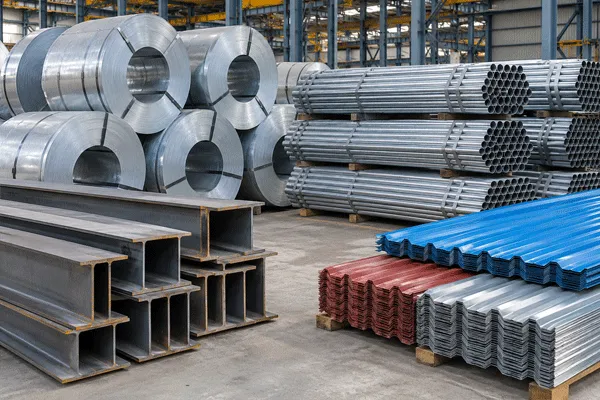
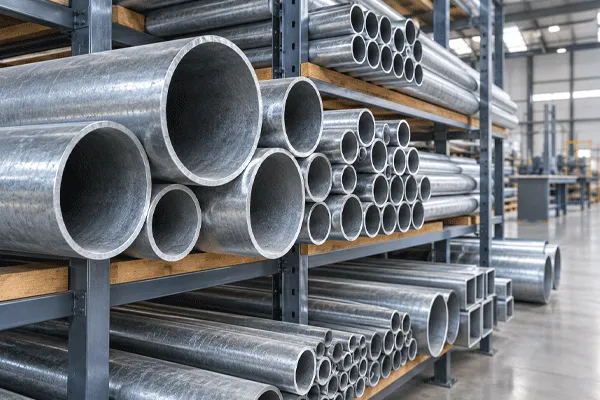
Choosing the wrong metal roof material can lead to rust, color problems, extra repair costs, and unhappy project owners. Many buyers compare galvanized and Galvalume only by price. That is risky. The better choice depends on coating, climate, roof design, and project use.
The main difference between galvanized and Galvalume is the coating. Galvanized steel is coated with zinc, while Galvalume uses an aluminum-zinc-silicon coating over a steel core. Galvalume usually offers better long-term corrosion resistance for roofing, while galvanized metal can be more suitable for some formed parts, wet contact areas, and lower-cost steel products.
Article Outline
1.What is galvanized steel?
2.What is Galvalume?
3.Galvalume vs galvanized: what is the key coating difference?
4.Which metal roof lasts longer?
5.When is galvanized metal better than Galvalume?
6.When should you choose a Galvalume roof?
7.How do Galvalume and galvanized steel perform in roofing projects?
8.What should importers check before buying coated steel sheet?
9.Case study: choosing material for a roofing project
10.FAQs about galvanized and Galvalume
11.Key takeaways
What is the difference between galvanized and Galvalume?
What Is Galvanized Steel?
Galvanized steel is carbon steel protected by a zinc coating. In simple terms, galvanized steel is coated so the surface can resist rust better than bare steel. The zinc helps protect the steel sheet from moisture and air. This is why galvanized materials are widely used in roofing, pipes, ducts, fences, frames, and many metal products.
The most common process is hot-dip galvanizing. Steel passes through molten zinc, and the zinc bonds to the surface. For sheet and coil products, buyers often ask for standards such as galvanized vs galvalume which covers zinc-coated galvanized steel sheet in coils and cut lengths.
A galvanized metal roof can be cost-effective and practical. It is often used for agricultural buildings, warehouses, temporary buildings, interior structures, and some roofing products. But not all galvanized products are equal. Zinc coating weight, steel grade, thickness, surface treatment, and storage conditions all affect performance.
What Is Galvalume?
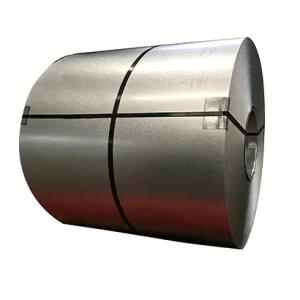
Galvalume is a coated steel product made with a coating of aluminum and zinc, with a small amount of silicon. The common composition is 55% aluminum, 43.4% zinc, and 1.6% silicon. This coating is applied to steel by the hot-dip process. ASTM A792 is a common reference standard for 55% aluminum-zinc alloy-coated steel sheet.
The name Galvalume is linked with BIEC International, the licensor of 55% Al-Zn coated steel,and aluminum in galvalume .The product has been widely used for roofing and siding because it combines the barrier protection of aluminum with the sacrificial protection of zinc.
A Galvalume roof is popular for commercial buildings, steel structure workshops, warehouses, roofing sheet production, and metal roofing and siding. It is also used as the base material for painted metal products, such as PPGL coils and prepainted roofing panels.
What is the difference between galvanized and Galvalume?
Galvalume vs Galvanized: What Is the Key Coating Difference?
The most important difference is the coating formula. Galvanized coating is mainly zinc. Galvalume coating is aluminum-zinc-silicon. That small sentence explains most of the real-world performance difference between galvalume vs galvanized steel.
Here is a simple comparison:
| Item |
Galvanized Steel |
Galvalume Steel |
| Main coating |
Zinc |
Aluminum and zinc with silicon |
| Common use |
Roofing, pipes, ducts, frames, general steel products |
Roofing, siding, building panels, PPGL |
| Corrosion behavior |
Zinc sacrifices itself to protect steel |
Aluminum gives barrier protection; zinc protects exposed areas |
| Surface look |
Spangle or matte zinc finish |
Smooth silver-gray finish |
| Roofing use |
Good in many basic projects |
Often better for long-term roofing |
| Formability |
Often more malleable than Galvalume |
Slightly less formable in some deep forming |
| Cost |
Usually lower |
Usually slightly higher |
In short, the difference between Galvalume and galvanized is not only the name. It is the way the coating protects the steel core. Galvalume provides a strong barrier effect, while galvanized metal depends more heavily on zinc protection.
Which Metal Roof Lasts Longer?
For many roofing applications, Galvalume offers superior long-term performance compared to galvanized metal. The aluminum content in Galvalume provides strong barrier protection and heat reflectivity compared to galvanized surfaces. This is why Galvalume is widely used in roofing, wall cladding, and industrial building envelopes.
A metal roof does not fail only because of the coating. It can fail because of poor installation, wrong screws, exposed cut edges, water traps, scratches, bad storage, or chemical exposure. Even a good Galvalume metal roof needs correct design and handling.
As a steel supplier, we often tell buyers this: do not ask only “Which one lasts longer?” Ask, “Where will the roof be used, what is the environment, and how will the metal panel be processed?” In dry, open roofing areas, Galvalume can last very well. In special wet or contact environments, galvanized materials may still be better.
When Is Galvanized Metal Better Than Galvalume?
Galvanized metal can be better when the project needs strong forming, lower cost, or a zinc-based surface for specific applications. Traditional galvanized products are also widely accepted in many local markets, especially where buyers already understand zinc coating grades.
Using galvanized steel may make sense for:
Pipes and tubes
Air ducts
Light steel frames
Indoor structures
Temporary buildings
Agricultural parts
Some formed accessories
General steel products where cost matters
A galvanized roof can also be useful for simple building projects with limited budget. However, the buyer should confirm zinc coating on galvanized sheet. A thin zinc layer may look good at first but may rust faster than galvanized sheet with a heavier coating.
Compared to galvanized metal, Galvalume may not be the best choice for every detail part. For example, if the steel core is exposed by heavy cutting, drilling, or poor edge protection, corrosion can start at the damaged area. Good processing matters.
When Should You Choose a Galvalume Roof?
A Galvalume roof is often a smart choice when the buyer wants long-term corrosion resistance, clean appearance, and good performance for roofing and siding. It is widely used for warehouses, factories, steel buildings, commercial roofs, residential metal roofing products, and large roofing projects.
You may choose Galvalume when:
The roof has wide exposed areas
The project needs long service life
The buyer wants a smooth silver finish
The material will be roll-formed into roofing sheets
The project uses painted metal or PPGL steel coils
The building is a warehouse, workshop, factory, or logistics center
Using Galvalume is also common for roofing sheet manufacturers because the material can be supplied in coils, slit coils, or profiled sheets. For international buyers, Galvalume steel can be customized by thickness, width, coating weight, coil weight, surface treatment, and packaging.
One note is important: Galvalume should not be used as a blind choice for every environment. In some aggressive conditions, such as constant wet contact, strong chemical exposure, or direct contact with certain materials, buyers should confirm the design with engineers and supplier data.
How Do Galvalume and Galvanized Steel Perform in Roofing Projects?
In a roofing project, Galvalume and galvanized steel can both work. The better choice depends on the roof design and the local environment. If the roof is exposed to sun, rain, and normal outdoor air, Galvalume often gives better long-term value. If the job needs budget control or simple formed parts, galvanized steel may be enough.
Here is a practical buyer guide:
| Roofing Condition |
Better Option |
Why |
| Large warehouse roof |
Galvalume |
Good long-term corrosion resistance |
| Standard farm shed |
Galvanized or Galvalume |
Depends on budget and environment |
| Coastal roof |
Often Galvalume or painted Galvalume |
Better barrier protection, but specs matter |
| Roof accessories |
Galvanized metal may work |
Good forming and common availability |
| Painted roofing sheet |
PPGL based on Galvalume |
Strong base for color coated roofing |
| Low-cost temporary roof |
Galvanized steel |
Lower initial cost |
For roofing material selection, buyers should not rely on one word like “galvanized” or “Galvalume.” They should check coating weight, base steel grade, paint system if any, roof slope, fasteners, edge treatment, and packaging condition.
What About Painted Metal Roofing Materials?
Painted metal roofing materials usually use a coated steel base and a color paint system. PPGI often uses galvanized steel as the base. PPGL often uses Galvalume as the base. Both are common in roofing products, wall panels, and building cladding.
For color-coated roofing, the coating system has several layers:
1.Steel base
2.Metallic coating
3.Chemical treatment
4.Primer
5.Top paint
6.Back paint
The metallic base protects the steel, while the paint gives color, weather resistance, and design value. For a metal roofing project, this means the buyer must check both the steel substrate and the paint system.
As a China steel manufacturer and integrated steel supplier, we supply PPGI steel coils, PPGL steel coils, galvanized steel coils, Galvalume steel coils, roofing sheets, and customized metal roofing panels. We also support RAL color matching, cutting, slitting, profiling, packaging, MTC documents, and third-party inspection.
What Should Importers Check Before Buying Coated Steel Sheet?
Steel importers and distributors should check more than price. A low price can hide thin coating, weak packaging, poor surface quality, or unclear documents. Good coated steel sheet should match the buyer’s real project need.
Before buying galvanized and Galvalume materials, check these points:
Steel grade: DX51D, SGCC, structural grade, or project-specific grade
Thickness: confirm base metal thickness and total coated thickness
Width: match coil processing and roofing machine requirements
Coating weight: zinc coating or AZ coating level
Surface treatment: chromated, oiled, anti-fingerprint, passivated, or dry
Paint system: PE, SMP, HDP, PVDF, or custom system for painted metal
Coil weight: match unloading and production line limits
Documents: MTC, packing list, inspection report, and certificate support
Inspection: SGS, BV, or other third-party inspection if needed
Packaging: seaworthy export packaging for long-distance shipping
This is where a professional supplier adds value. We help global steel buyers source not only one metal product, but a full material solution: galvanized coils, Galvalume coils, PPGI, PPGL, steel pipes, steel plates, stainless steel, aluminum, copper, and customized OEM/ODM metal materials.
Case Study: Choosing Material for a Warehouse Roofing Project
A building contractor needed steel roof materials for a warehouse project in a warm and rainy region. The buyer first asked for a galvanized metal roof because the initial price looked lower. After checking the roof size, expected service life, and local weather, we suggested comparing Galvalume vs galvanized before ordering.
The roof had large exposed areas and limited shade. The project owner wanted lower maintenance over time. We recommended Galvalume coils for roll-formed roof panels, with proper packaging and inspection before shipment. For some accessories and formed support parts, galvanized panels were still acceptable.
The final solution used:
| Project Part |
Selected Material |
Reason |
| Main roof sheet |
Galvalume coil |
Better long-term outdoor performance |
| Wall cladding |
Painted Galvalume |
Color and corrosion resistance |
| Small formed parts |
Galvanized metal |
Good cost control |
| Packaging |
Seaworthy coil packaging |
Safer export transport |
| Documents |
MTC and inspection support |
Better buyer confidence |
This mix helped the buyer control cost while improving the roof’s long-term value. That is the real goal of material selection: not the cheapest product, but the right product.
Galvalume vs Galvanized: Which One Should You Buy?
If you are looking into metal roofing, choose Galvalume for most long-term roof and wall cladding projects, especially when corrosion resistance and appearance matter. Choose galvanized steel when you need a lower-cost material, strong forming, or a zinc-coated surface for general metal applications.
Here is the quick decision chart:
| Buyer Need |
Recommended Choice |
| Long-life roof |
Galvalume |
| Budget roof |
Galvanized steel |
| Color coated roof |
PPGL or PPGI, depending on project |
| Pipes and tubes |
Galvanized steel |
| Warehouse roof |
Galvalume or painted Galvalume |
| Steel structure accessories |
Galvanized metal |
| Export roofing sheet production |
Galvalume coil or PPGL coil |
| General metal products |
Galvanized products |
The difference between Galvalume vs galvanized is easy to explain but important to apply correctly. Galvalume typically costs more at the beginning, but it can offer better value in many roofing uses. Galvanized steel tends to be flexible, familiar, and cost-effective for many general applications.
What is the difference between galvanized and Galvalume?
Why Work with a China Steel Manufacturer for Galvalume and Galvanized Products?
For global buyers, stable supply matters as much as product choice. A distributor may need mixed container orders. A roofing sheet factory may need coils with exact width. A contractor may need fast quotation and reliable shipment. An engineering buyer may need MTC traceability and third-party inspection.
We are a professional steel manufacturer and integrated steel supplier in China. We produce, process, customize, and export steel and metal materials, including:
PPGI steel coils
PPGL steel coils
Galvanized steel coils
Galvalume steel coils
Hot rolled and cold rolled steel coils
Steel plates and sheets
Steel pipes, seamless pipes, and welded pipes
Square and rectangular hollow sections
H beams, C beams, angle steel, and rebar
Stainless steel sheets, coils, and pipes
Aluminum sheets, coils, and pipes
Copper rods, coils, plates, and pipes
For OEM/ODM steel buyers, we support customized thickness, width, coating weight, surface treatment, RAL colors, cutting, slitting, profiling, packaging, inspection, MTC documents, and international logistics. This helps buyers save time and reduce sourcing risk.
FAQs About Galvalume and Galvanized Metal
Is Galvalume better than galvanized steel for roofing?
In many roofing applications, yes. Galvalume often provides better long-term corrosion resistance than galvanized steel, especially for large exposed roof and wall areas. But galvanized steel may still be better for some formed parts, lower-budget projects, and applications where zinc coating is preferred.
What is the main difference between Galvalume and galvanized?
The main difference is the coating. Galvanized steel uses a zinc coating. Galvalume uses a coating made from aluminum and zinc with silicon. This is why Galvalume offers different corrosion behavior and is widely used for roofing and siding.
Can Galvalume rust?
Yes, Galvalume can rust if the steel core is exposed by deep scratches, bad cutting, poor installation, or long-term harsh exposure. The coating protects the steel, but it is not magic. Correct handling, storage, installation, and maintenance still matter.
Is a galvanized metal roof cheaper than a Galvalume roof?
Usually, yes. Galvanized metal often has a lower initial cost. Galvalume typically costs more, but it may offer better long-term value for roofing projects because of its corrosion resistance and service life.
Can Galvalume be painted?
Yes. Galvalume can be used as a base for painted metal roofing products. PPGL steel coils are commonly used for color-coated roofing sheets, wall cladding, and metal building panels.
Which material should roofing sheet manufacturers import?
Roofing sheet manufacturers often import Galvalume coils, galvanized coils, PPGI coils, and PPGL coils. The best choice depends on target market, roof profile, climate, coating demand, paint color, and buyer budget.
Key Takeaways
The difference between galvanized and Galvalume is mainly the coating.
Galvanized steel uses zinc coating to protect the steel sheet.
Galvalume uses aluminum and zinc with silicon over the steel core.
Galvalume is often better for long-term metal roof and wall cladding projects.
Galvanized metal is still useful for pipes, ducts, accessories, lower-cost roofing, and general steel products.
A galvanized metal roof can be practical, but coating weight and surface quality matter.
A Galvalume roof can offer strong corrosion resistance and clean appearance.
For painted metal roofing, buyers should check both the substrate and paint system.
Importers should confirm steel grade, thickness, width, coating weight, surface treatment, packaging, MTC, and inspection support.
Working with an integrated steel supplier helps global buyers reduce sourcing risk and build a stable long-term supply chain.








 06-08 2026