






Schedule 40 vs Schedule 80 Steel Pipe: How to Choose the Right Wall Thickness
Explore galvanized steel pipe sizes, OD, wall thickness, and schedule 40 charts. Learn how to measure galvanized pipe size and astm a53 specifications.
10-22 2026

 08-28 2026
 By Luyuan Steel Technical Team | Updated August 28, 2026
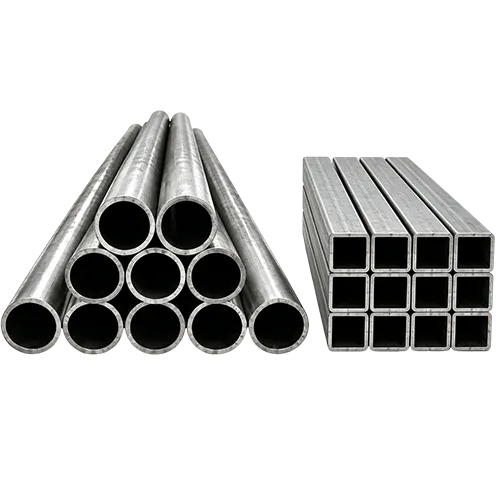
Galvanized steel pipe fittings connect, redirect, branch, reduce or terminate galvanized piping. Correct selection requires more than matching a nominal size: the fitting type, thread or weld standard, pipe outside diameter, wall thickness, pressure duty, zinc protection and service environment must work as one system.
Information basis: Luyuan’s published steel-pipe portfolio includes SHS/RHS, API 5CT/5B, API 5L, seamless and welded pipe. Published pipe references span 10-700 mm outside diameter for seamless products, 6-12 m or customized lengths, and plain, beveled or threaded end options on applicable products. Exact galvanized fitting availability is Price on Request and must be confirmed against the drawing and standard.
| Fitting type | Function | Specification fields |
|---|---|---|
| Elbow | Changes direction, commonly through 45 or 90 degrees | Angle, radius, nominal size, connection and pressure class |
| Tee | Creates a branch from the main line | Equal or reducing branch, run size, outlet size and orientation |
| Reducer | Connects different pipe sizes | Concentric or eccentric form, end sizes and installation orientation |
| Coupling | Joins two straight pipe sections | Full or half coupling, thread standard, length and wall class |
| Union | Provides a removable joint for maintenance | Seat design, thread, sealing material and pressure duty |
| Cap or plug | Closes a pipe end or threaded opening | End type, nominal size, pressure and removal access |
| Flange | Creates a bolted connection to equipment or another pipe section | Standard, facing, bolt pattern, class, gasket and bore |
The fitting name is only the first field. A 90-degree elbow can be threaded, socket-welded, butt-welded, grooved or flanged. Each connection route creates different installation tools, inspection points and corrosion risks.
Threaded fittings support field assembly without welding and are common in smaller-diameter utility, fire-protection and general service lines where the governing code allows them. State the thread standard, taper, engagement length and sealant compatibility. Mixing thread systems can produce partial engagement that feels tight but does not create a reliable joint.
Grooved couplings allow faster assembly and controlled movement when the pipe end and coupling are prepared to the same system. Confirm groove dimensions, gasket material, temperature range and pressure rating. The zinc layer must not hide an out-of-tolerance groove.
Flanges are practical at valves, pumps, tanks and equipment that require removal. Match the flange standard, pressure class, face, bore, bolt set and gasket. A flange with the correct nominal size can still be incompatible if the bolt pattern or pressure class differs.
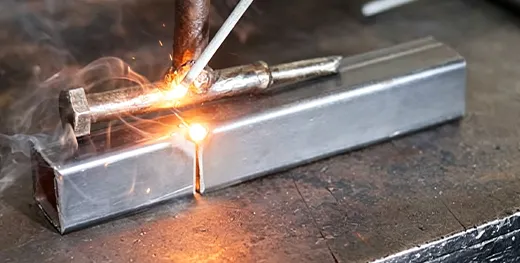
Butt-weld and socket-weld fittings can create a compact joint, but welding damages zinc near the heat-affected zone and generates hazardous zinc oxide fumes. Use an approved welding and ventilation procedure, remove zinc only as required, inspect the weld, then restore corrosion protection using a specified repair system.
| Pipe field | Fitting field to match | Failure if mismatched |
|---|---|---|
| Nominal size and outside diameter | Bore, socket or thread size | Joint cannot assemble or has insufficient engagement |
| Wall thickness or schedule | Fitting class, bore and weld preparation | Flow restriction, weak weld or dimensional mismatch |
| Material grade | Compatible fitting material and mechanical rating | Unequal strength or incompatible welding behavior |
| Pressure and temperature | Rated fitting, gasket and sealant | Leakage or joint failure in service |
| Zinc coating | Coating method, thickness and repair requirements | Early corrosion at threads, grooves, welds or cut edges |
| Service medium | Material and sealing compatibility | Internal corrosion, contamination or gasket degradation |
Do not use outside diameter alone to approve a fitting. Pipe schedule, thread standard and pressure rating can differ even when two components share the same nominal size.
The related product scope is large-diameter galvanized pipe. Luyuan’s published seamless-pipe range references outside diameters from 10 to 700 mm, while API 5CT/5B references 114.3-508 mm and plain, beveled or threaded ends. These values describe pipe capability, not a promise that every diameter has a galvanized fitting in stock.
Large-diameter systems often use flanged, welded or engineered mechanical connections rather than small threaded fittings. The EPC package should name the pipe standard, OD, wall thickness, end preparation, flange or coupling standard, coating, field-joint repair and hydrotest procedure. For fabricated fittings, also supply center-to-end dimensions and spool drawings.
Luyuan’s source library describes a South American municipal drainage project using large-diameter galvanized pipe and structural supports with heavy-duty zinc coating in acidic soil and wastewater exposure. The website reports improved service life without publishing a numeric lifespan. That example supports the need to specify both the pipe and the connection-zone corrosion system.
Fittings create crevices, cut edges, threads, welds and gasket interfaces where water can remain. A galvanized pipe body may perform well while an unprotected thread or field weld corrodes first. Specify zinc coating for both pipe and fitting, allowable bare area, repair material, surface preparation and minimum dry-film or zinc-rich repair requirement.
Hot-dip galvanizing is not automatically suitable for every drinking-water, chemical or high-temperature service. Confirm regulatory, water-quality and process-medium requirements for the actual project.
Every elbow, tee, reducer and valve connection adds pressure loss. The hydraulic calculation should use the fitting geometry and flow regime rather than counting all elbows as identical. Long-radius elbows can reduce loss and turbulence compared with short-radius forms, but they need more installation space.
Eccentric reducers are commonly oriented to control air or liquid pockets, depending on whether the line carries liquid, gas or slurry. Branch tees need reinforcement and support appropriate to the piping code. Heavy fittings, valves and flanges should not transfer unsupported loads into thin pipe walls.
| Application | Typical fitting priorities | Boundary to verify |
|---|---|---|
| Municipal drainage | Large diameter, coating repair, flange or fabricated connection, soil exposure | Wastewater chemistry, burial environment and field-joint protection |
| Fire-protection piping | Listed grooved or threaded system, pressure rating and inspectable joints | Local fire code and product listing requirements |
| Irrigation | Field assembly, valves, reducers and weather resistance | Water chemistry, fertilizer exposure and drainage |
| Industrial utilities | Pressure, temperature, maintenance access and equipment flanges | Process-medium compatibility and plant piping code |
| Structural handrails or frames | Mechanical joining, appearance and water drainage | Do not treat structural fittings as pressure-rated piping components |
Compared with common black-steel fittings, galvanized fittings add corrosion protection but require stricter control of damaged coating and welded zones. Compared with plastic fittings, steel fittings may offer higher mechanical resistance and temperature capability, while adding weight and the possibility of zinc or galvanic compatibility issues.
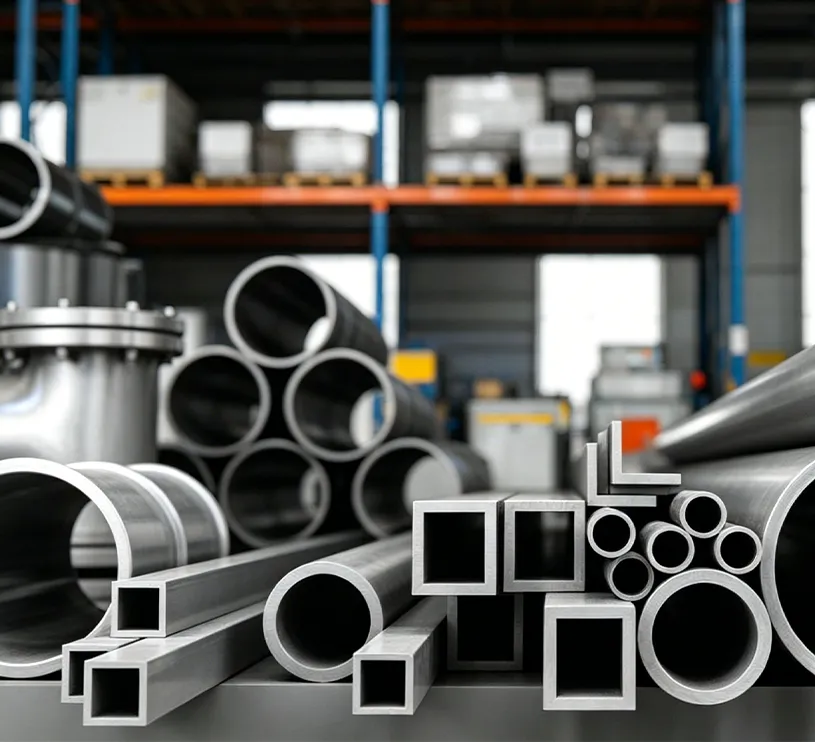
Luyuan’s steel-pipe materials reference MTC availability for applicable products and identify plain, beveled or threaded end preparation. No accessible SKU-specific API certificate number is published, so certificate or listing numbers must not be assumed. Request the actual document needed by the project.
A usable request can state: “Galvanized steel pipe fittings to [standard], types and quantities per attached BOM, pipe size/OD and wall thickness [list], [threaded/grooved/flanged/welded] connections, pressure and temperature [values], service medium [name], zinc coating and field-repair requirements, dimensional inspection, MTC or compliance documents, export packing, [Incoterm] to [destination].” Attach spool drawings for fabricated or large-diameter fittings.
Price is available on request because the source library does not publish a verified fitting price. Ask suppliers to separate fitting value, machining, galvanizing, inspection, packing and freight. Review Luyuan’s capability page, then send the BOM and drawings through the contact page.
They can be welded only under an approved procedure with appropriate fume control, zinc removal where required, weld inspection and restoration of corrosion protection.
Large-diameter systems more often use flanged, welded or engineered mechanical connections. The project standard, pressure and installation method determine the connection.
Confirm nominal size, actual outside diameter, wall thickness or schedule, connection standard, pressure class and end preparation. Nominal size alone is insufficient.
Inspect dimensions, threads or flange faces, zinc coverage, bare areas, cracks, sealing surfaces, markings, traceability and packing, then complete the specified pressure or leak test after installation.
Next step: Send the pipe standard, OD, wall thickness, fitting BOM, connection method, pressure, medium, coating and destination for a specification-based quotation.
Luyuan Steel Technical Team supports steel manufacturing, processing, quality-control documentation, product specification and international project supply.
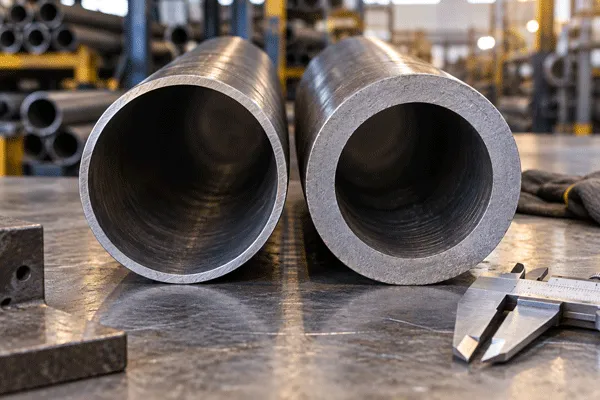
Explore galvanized steel pipe sizes, OD, wall thickness, and schedule 40 charts. Learn how to measure galvanized pipe size and astm a53 specifications.
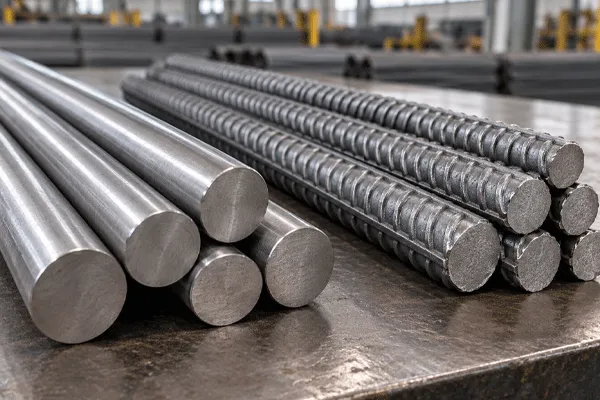
Compare plain round bar and deformed bar in this steel reinforcement guide. Learn which type of steel bar and rebar is best for your construction project.
We will reply you within 24 hours. If for urgent case, please add WhatsApp/WeChat: +86 15066120072,. Or call +86 15066120072 directly.
*We respect your confidentiality and all information are protected.
We will only use your information to respond to your inquiry and will never send unsolicited emails or promotional messages.