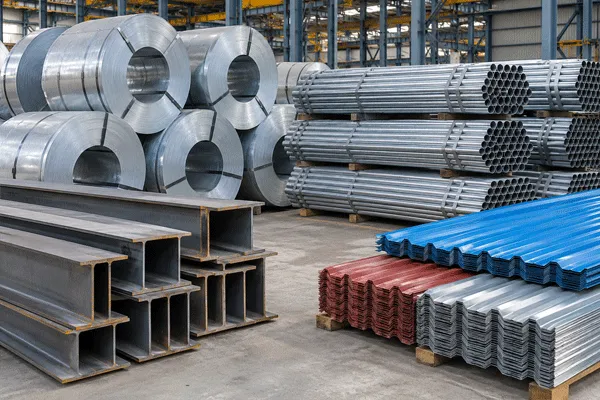
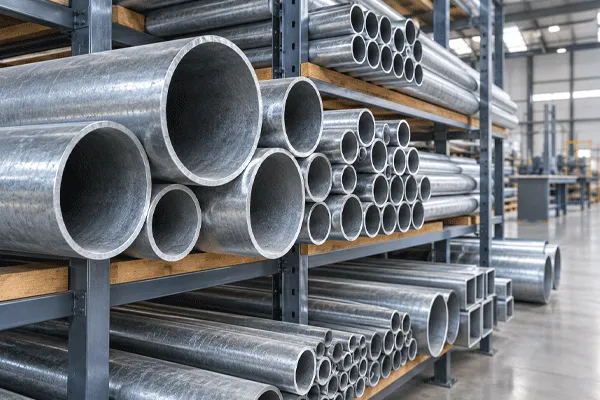
A weak shed roof can leak, rust, crack, or fail under snow or rain. That means damaged tools, wet storage, and higher repair cost. The right roof material protects your shed longer and keeps the whole structure safer.
The best material for a shed roof is usually metal roofing, especially galvanized steel, galvalume steel, PPGI, or PPGL roofing sheets. A metal roof is waterproof, long-lasting, strong, and suitable for garden sheds, farm sheds, workshops, warehouses, and outdoor storage buildings
Article Outline
- What is the best roofing material for a shed roof?
- Why does roof pitch matter when choosing shed roof material?
- Are asphalt shingles good for a shed?
- Is a metal roof the best shed roofing option?
- When should you use roofing felt or roll roofing?
- What are the most popular shed roofing materials?
- How do PPGI, PPGL, galvanized, and galvalume steel roofing sheets compare?
- How much does shed roof material cost per square foot?
- How do you choose the right roofing material for your shed?
- What should B2B buyers check before ordering shed roof materials?
- FAQs about shed roofing
- Key takeaways
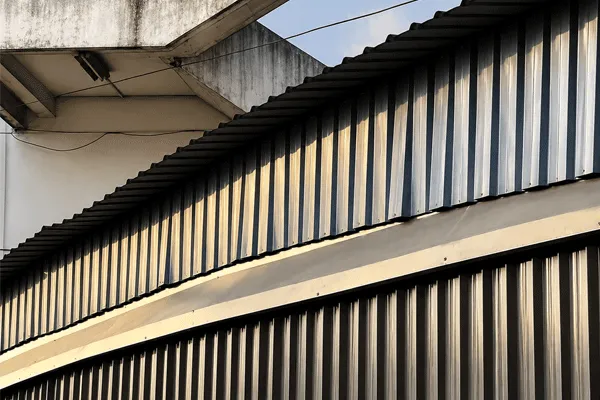
Best Roofing Material for a Shed Roof: How to Choose the Right Roof Material for Your Shed
What Is the Best Roofing Material for a Shed Roof?
The best roofing material for a shed depends on the shed size, roof pitch, weather conditions, budget, and expected service life. For most buyers, a metal roof gives the best balance of strength, durability, waterproof performance, and long-term value.
A small garden shed may use roofing felt, roll roofing, or asphalt shingles. These materials are easy to install and often cheaper at the beginning. But if the shed is used for tools, machinery, animal feed, farm supplies, steel storage, or outdoor commercial use, stronger roof material is usually better.
As a steel manufacturer and integrated steel supplier in China, we often recommend metal roofing sheets for shed projects that need stable quality and bulk supply. PPGI steel coils, PPGL steel coils, galvanized steel coils, and galvalume steel coils can be processed into roofing sheets, corrugated roofing, wall cladding, and custom profiles for many shed roof designs.
Why Does Roof Pitch Matter When Choosing Shed Roof Material?
Roof pitch means how steep the roof is. A steep roof sheds water faster. A low roof slope needs better waterproof design because water may move slowly or stay on the surface longer. This is why roof pitch affects the choice of roofing option.
A simple roof with a good slope can use many different materials, including asphalt shingles, steel or asphalt shingles, roll roofing, and roofing sheets. But a low-slope shed style roof often needs stronger sealing, careful overlap, and better fasteners. If the roof on a shed is too flat, water can collect and shorten the life of your shed roof.
For metal shed projects, the roof design should match the panel profile. Corrugated roofing can move water well when installed with proper overlap. Trapezoidal roofing sheets can add strength and help water run down the shed’s roof. The material you choose should always match the roof slope, local rain level, and installation method.
Are Asphalt Shingles Good for a Shed?
Yes, asphalt shingles can be a good roof material for a shed, especially when the shed matches a house or garden design. Roofing shingles are common, familiar, and easy to install for many small shed projects. Shingles are easy to find in many colors and styles.
Asphalt shingles usually need a solid roof deck, underlayment, hammer and roofing nails, and correct overlap. They can look clean and traditional. For a new shed in a backyard, asphalt shingles may be the best shed option when appearance and low starting cost matter more than industrial strength.
However, asphalt shingles may not be the best roofing material for every shed. They can be heavier than roofing felt, and they may not perform as well as metal roofing in some harsh environments. For agricultural sheds, warehouse shelters, greenhouse support buildings, and export building material projects, metal roofing often gives better long-term value.
Is a Metal Roof the Best Shed Roofing Option?
For many projects, yes. A metal roof is one of the best shed roof materials because it is strong, waterproof and durable, long-lasting, and suitable for many climates. It can handle rain, wind, sun, and daily outdoor use better than many light roof covering options.
Metal roofing is also a strong choice for B2B buyers. Steel roofing sheets can be produced in large volume, packed for export, and customized by thickness, coating weight, RAL color, width, length, and profile. This makes metal roofing practical for distributors, construction contractors, warehouse builders, agricultural greenhouse suppliers, and project buyers.
Common metal roof material options include:
| Metal Roof Material |
Main Feature |
Common Shed Use |
| Galvanized steel |
Zinc coating protects steel |
Budget-friendly shed roofing |
| Galvalume steel |
Aluminum-zinc coating improves corrosion resistance |
Long-lasting outdoor sheds |
| PPGI steel |
Pre-painted galvanized steel |
Color roofing and wall cladding |
| PPGL steel |
Pre-painted galvalume steel |
Better color and corrosion protection |
| Aluminum roofing |
Light weight and corrosion resistant |
Coastal or lightweight structures |
A metal roof may cost more than the cheapest option at first, but it often wins over time because of durability, lower repair needs, and better weather resistance.
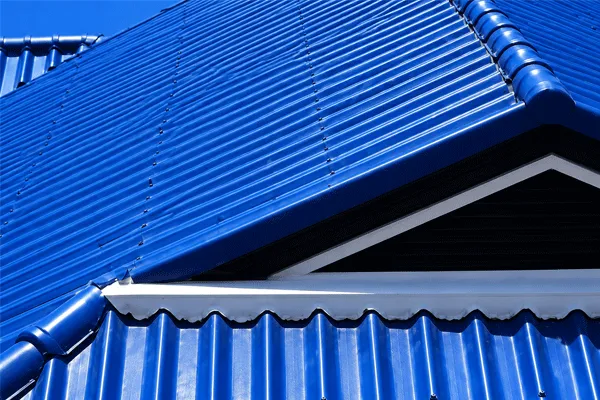
Best Roofing Material for a Shed Roof: How to Choose the Right Roof Material for Your Shed
When Should You Use Roofing Felt or Roll Roofing?
Roofing felt is often used on small sheds because it is cheap and easy to install. Asphalt roofing felt can be laid over the roof deck and fixed with nails or adhesive. For a small garden shed, it may be the cheapest and easiest shed roof material.
Roll roofing is another simple roofing option. It comes in rolls and can cover a shed roof quickly. It works best on small structures where low cost matters. If you are building a shed for light storage, roll roofing may be enough.
But these materials may not be the best roofing for your shed if you expect long service life, strong UV resistance, or heavy weather protection. Felt can crack, lift, or wear under strong sun and rain. It is useful, but not always long-lasting. For commercial shed roofing, metal roofing sheets are usually a better choice.
What Are the Most Popular Shed Roofing Materials?
There are many materials to choose from. If we list the “21 most popular shed roofing” ideas, they may include metal roofing, asphalt shingles, roofing felt, roll roofing, rubber roofing, wood shingles, clay tiles, plastic panels, polycarbonate sheets, recycled materials, and natural material options such as thatch in special garden designs.
But in real B2B use, buyers usually focus on fewer practical choices. They want stable supply, easy installation, safe packaging, repeatable quality, and known performance. That is why popular shed roofing materials often narrow down to metal roof sheets, asphalt shingles, and felt or roll roofing.
| Shed Roofing Option |
Cost Level |
Installation |
Service Life |
Best For |
| Roofing felt |
Low |
Easy |
Short to medium |
Small garden shed |
| Roll roofing |
Low |
Easy |
Short to medium |
Simple storage shed |
| Asphalt shingles |
Medium |
Medium |
Medium |
Residential-style shed |
| Rubber roofing |
Medium |
Medium |
Medium to long |
Low-slope roof |
| Metal roofing sheets |
Medium to high |
Medium |
Long |
Farm, commercial, and industrial shed |
| PPGL / PPGI roofing |
Medium to high |
Medium |
Long |
Colored shed roof and cladding |
The best material is not always the cheapest shed roofing material. The best material is the one that fits the shed’s job, climate, budget, and expected life.
How Do PPGI, PPGL, Galvanized, and Galvalume Steel Roofing Sheets Compare?
Steel roofing sheets are widely used for sheds because they are strong, formable, and easy to customize. As a steel supplier, we provide galvanized steel coils, galvalume steel coils, PPGI steel coils, PPGL steel coils, hot rolled steel, cold rolled steel, steel plates, pipes, profiles, stainless steel, aluminum, and copper products for global buyers.
For shed roofing, four materials are common:
| Material |
Full Name |
Main Benefit |
Typical Buyer |
| GI |
Galvanized steel |
Zinc-coated, economical |
Roofing sheet factories |
| GL |
Galvalume steel |
Better corrosion resistance |
Outdoor shed builders |
| PPGI |
Pre-painted galvanized steel |
Color finish and zinc protection |
Building material wholesalers |
| PPGL |
Pre-painted galvalume steel |
Color finish and stronger corrosion resistance |
Premium roofing projects |
PPGI and PPGL are good choices when the shed roof must look clean and match a building color. Buyers can choose RAL colors, coating thickness, paint type, surface treatment, and packaging. This helps roofing sheet manufacturers, steel distributors, and contractors meet local market needs.
For a durable shed roof, coating weight matters. Paint quality matters. Steel thickness matters. A low price may look attractive, but poor coating can reduce UV resistance, rust protection, and final roof life.
How Much Does Shed Roof Material Cost Per Square Foot?
Cost per square foot changes by country, raw material price, thickness, coating, profile, color, order quantity, and local labor. A small DIY shed roof may focus on material price only. A B2B project must calculate shipping, cutting, slitting, packaging, installation loss, fasteners, and after-sales risk.
In general:
| Roof Material |
Typical Cost Position |
Cost Comment |
| Roofing felt |
Lowest |
Cheapest and easiest for small sheds |
| Roll roofing |
Low |
Good for simple budget roofing |
| Asphalt shingles |
Medium |
Good appearance, common in homes |
| Rubber roofing |
Medium to high |
Useful for low-slope roof |
| Galvanized roofing sheets |
Medium |
Strong value for bulk shed projects |
| PPGI / PPGL roofing sheets |
Medium to high |
Better appearance and coating options |
For importers and roofing sheet manufacturers, factory-direct steel supply can reduce cost pressure. We support customized thickness, width, coating weight, surface treatment, cutting, slitting, profiling, third-party inspection, MTC documents, and international logistics. That means buyers can control cost while keeping quality traceable.
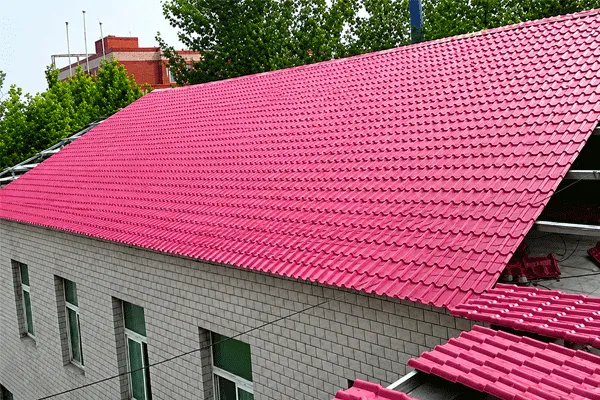
Best Roofing Material for a Shed Roof: How to Choose the Right Roof Material for Your Shed
How Do You Choose the Right Roofing Material for Your Shed?
To choose the right roofing material, start with the use of the shed. Is it a simple garden shed? A farm tool house? A workshop? A steel structure warehouse? A greenhouse support building? A factory storage shelter? Each type of shed roof needs a different choice of roofing.
Use this simple selection guide:
- Choose roofing felt if you need the cheapest option for a small shed.
- Choose roll roofing if you need a fast and simple roof covering.
- Choose asphalt shingles if you want a residential look.
- Choose rubber roofing if the roof slope is low and waterproof sealing is key.
- Choose metal roofing sheets if you want strength, long life, and better weather resistance.
- Choose PPGI or PPGL if you need color, corrosion protection, and export-ready quality.
For B2B buyers, choose the best shed roofing based on technical data, not only photos. Ask for thickness tolerance, coating weight, color standard, yield strength, tensile strength, paint type, packing method, and MTC traceability. That is how you choose the best for your shed and avoid quality disputes after delivery.
What Should B2B Buyers Check Before Ordering Shed Roof Materials?
B2B buyers should check product quality, production ability, customization service, delivery schedule, export documents, and packaging. A shed roof material must arrive safely and perform well after installation.
A good inquiry should include:
- Required roof material type
- Steel grade or base metal request
- Thickness and width
- Zinc or Al-Zn coating weight
- RAL color and paint system
- Roof profile drawing
- Order quantity
- Destination port
- Required MTC or third-party inspection
- Packing and loading requirements
As an integrated steel supplier, we support OEM / ODM steel solutions for global steel buyers. Our products serve construction, infrastructure projects, steel structure fabrication, roofing and wall cladding, machinery, agriculture, warehouse buildings, greenhouse projects, pipeline systems, industrial facilities, and global engineering projects.
Case Study: Choosing Shed Roofing for an Agricultural Storage Project
A farm building contractor needed roof material for a row of agricultural storage sheds. The sheds had to protect tools, fertilizer, and small machines from rain and sun. The buyer first considered roofing felt because it looked cheap.
After checking the project size and weather conditions, the contractor chose pre-painted galvalume roofing sheets. The reason was simple. The shed roof needed long-term durability, better waterproof performance, UV resistance, and lower maintenance. The first cost was higher than felt, but the full project cost was better over time.
This is common in real projects. Small sheds can use simple materials. Commercial sheds need stronger planning. When the roof protects valuable goods, the roof material is not a small detail. It is a business decision.
Are Recycled Materials or Natural Material Good for a Shed Roof?
Recycled materials can be useful for some shed projects, especially when buyers want an eco-friendly look or local reuse option. Some plastic roofing sheets, rubber roofing products, or composite panels may include recycled content.
Natural material can also work for decorative garden shed designs. Wood shingles, thatch, or clay-style products may look beautiful. But they may need more maintenance and may not match industrial or export shed roofing needs.
For most B2B buyers, quality roofing must be stable, scalable, and easy to repeat. That is why steel roofing remains popular. It offers predictable dimensions, good strength, export packaging, color control, and strong project supply ability.
How Can Metal Roofing Improve Shed Roof Performance?
A metal roof can improve shed performance in several ways. First, it sheds water quickly when installed with proper overlap. Second, it resists cracking better than many soft materials. Third, it supports long-term use in farms, warehouses, workshops, and industrial yards.
Metal roofing can also support cooler roof design when light colors or reflective coatings are used. The U.S. Department of Energy explains that cool roofs reflect more sunlight and absorb less solar energy than conventional roofs. This can help lower roof temperature in sunny areas.
For shed buyers, this means color and coating are not only about appearance. A white, light gray, or light-colored PPGI / PPGL roof may help reduce heat gain compared with dark roofing. For storage sheds in hot regions, that can be a real benefit.
FAQs About Shed Roof Materials
What is the best material for a shed roof?
The best material for a shed roof is often metal roofing, especially galvanized, galvalume, PPGI, or PPGL steel roofing sheets. It is strong, long-lasting, waterproof, and suitable for many shed styles.
What is the cheapest option for a shed roof?
Roofing felt is often the cheapest option for a shed roof. Roll roofing is also affordable and easy to install. But the cheapest option may not give the best durability.
Are asphalt shingles good for a shed roof?
Yes, asphalt shingles are good for many small sheds, especially when you want the shed to match a house. They need a proper roof deck and correct installation.
Is metal roofing better than shingles for a shed?
Metal roofing is often better for durability, weather resistance, and long-term value. Shingles may be better when appearance and simple residential style are more important.
What roof pitch is best for a shed roof?
A steeper roof pitch helps rain and snow move off the roof faster. Low-slope roofs need better waterproof design, correct overlap, and suitable materials such as rubber roofing or properly installed metal panels.
What is the easiest to install shed roofing material?
Roofing felt and roll roofing are usually the easiest to install for DIY sheds. Metal roofing sheets are also practical, but they need correct cutting, fasteners, overlap, and safety handling.
Can I use corrugated roofing on a shed?
Yes. Corrugated roofing is a common option for a shed roof. It is strong, light compared with many solid materials, and works well when installed with the correct slope and overlap.
What is the best roofing for your shed in a rainy area?
For rainy areas, choose a waterproof and durable roof material such as metal roofing sheets, PPGL roofing, or a suitable rubber roofing system for low slopes. Good installation is just as important as material choice.
Key Takeaways
- The best roofing material for a shed roof depends on use, weather, budget, and roof pitch.
- Metal roofing is often the best material for long-lasting shed roofing.
- PPGI, PPGL, galvanized steel, and galvalume steel are strong choices for roofing sheets.
- Roofing felt and roll roofing are cheap and easy to install, but they may not last as long.
- Asphalt shingles look good for garden shed and residential-style shed projects.
- Rubber roofing can be useful for low-slope shed roofs.
- Roof pitch affects drainage, waterproof design, and material choice.
- B2B buyers should check thickness, coating weight, RAL color, MTC documents, packing, and delivery time.
- Factory-direct steel supply helps roofing sheet manufacturers, contractors, and importers control quality and cost.
- Choose the right roofing material by comparing full service life, not only the first price.








 06-23 2026