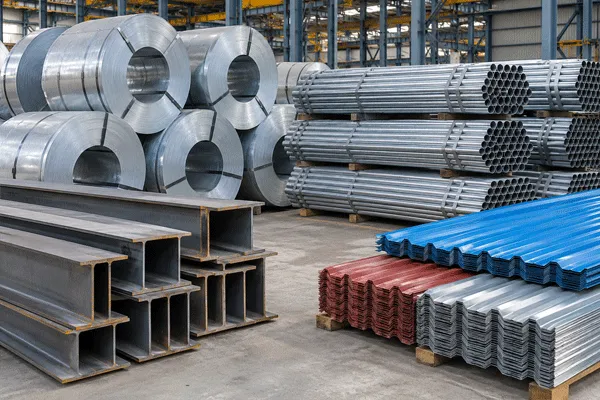
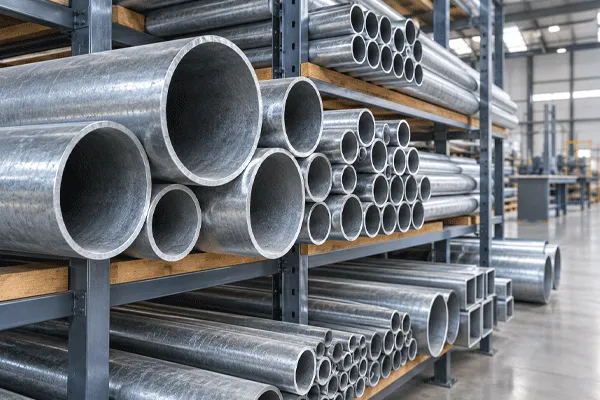
Choosing the wrong steel material can increase production costs, create processing difficulties, and affect final product performance. Many buyers compare cold rolled steel and hot rolled steel but overlook important differences. Understanding the disadvantages of acero laminado en frío te ayuda a seleccionar el material adecuado para la construcción, la fabricación y las aplicaciones industriales.
El acero laminado en frío es acero procesado a temperatura ambiente después del laminado en caliente. Ofrece un excelente acabado superficial, dimensiones precisas y mayor resistencia, pero sus desventajas incluyen un costo más elevado, opciones de espesor limitadas, menor flexibilidad y un procesamiento más complejo en comparación con el acero laminado en caliente.
¿Qué es el acero laminado en frío y cómo se produce?
Steel is one of the most widely used industrial materials in the world. It supports construction, infrastructure, manufacturing, machinery, transportation, and many other industries.
Como fabricante profesional de acero y proveedor integrado de acero en China, ofrecemos soluciones de acero directamente de fábrica para compradores de todo el mundo. Nuestros productos incluyen acero laminado en frío, acero laminado en caliente, galvanized steel coils, Bobinas de acero PPGI, PPGL steel coils, steel plates, steel pipes, stainless steel products, aluminum materials, and copper products.
Ofrecemos Servicios de personalización OEM / ODM, including thickness adjustment, width customization, coating requirements, surface treatment, cutting, slitting, profiling, packaging, third-party inspection, MTC documents, and international logistics. Our steel products are widely used in construction projects, steel structures, roofing systems, manufacturing facilities, warehouses, agriculture projects, and industrial applications.
Comprender cómo se procesa el acero es importante porque los distintos métodos de producción generan propiedades diferentes.
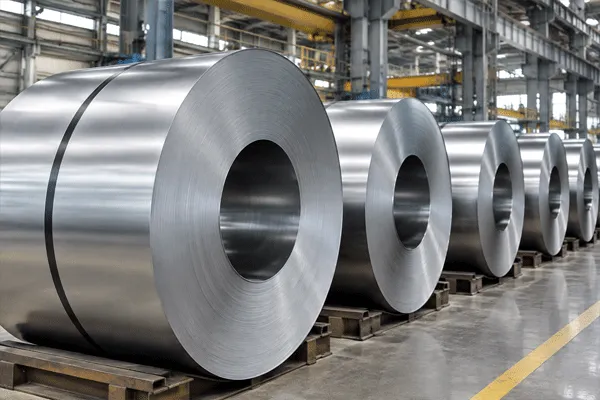
¿Cuáles son las desventajas del acero laminado en frío? Guía completa sobre el acero laminado en frío frente al acero laminado en caliente
Proceso de laminado en frío
The cold rolling process starts with hot rolled steel. After steel is produced at high temperatures, manufacturers continue processing the material through precision rollers at room temperature.
El proceso básico incluye:
| Production Step |
Description |
| Calentamiento del acero |
El acero se calienta a altas temperaturas durante la producción inicial |
| Laminado en caliente |
El acero se comprime y se moldea por encima de la temperatura de recristalización |
| Encurtido |
Elimina las incrustaciones de óxido de la superficie |
| Laminado en frío |
Steel passes through rollers near room temperature |
| Recocido |
Reduce la tensión interna y mejora la flexibilidad |
| Surface finishing |
Mejora la calidad y el aspecto de la superficie |
During cold rolling, the thickness of the steel is reduced while improving dimensional accuracy.
This additional processing creates the unique characteristics of cold rolled steel.
What Is the Difference Between Cold Rolled Steel and Hot Rolled Steel?
Many buyers ask:
¿Cuál es la diferencia entre el acero laminado en caliente y el acero laminado en frío?
La principal diferencia es la temperatura durante el procesamiento.
Hot rolling uses steel at high temperatures, while cold rolling processes steel at room temperature after hot rolling.
| Característica |
Acero laminado en frío |
Acero laminado en caliente |
| Temperatura de procesamiento |
Room temperature |
High temperature |
| Acabado superficial |
Liso y limpio |
Superficie más rugosa |
| Tolerancia dimensional |
Mayor precisión |
Lower accuracy |
| Fuerza |
Mayor resistencia |
Standard strength |
| Coste |
Más alto |
Más económico |
| Aplicaciones habituales |
Productos de precisión |
Estructuras pesadas |
La diferencia entre el acero laminado en caliente y el acero laminado en frío se debe a cómo cambia el material durante la producción.
Durante el laminado en caliente, el acero es más fácil de moldear porque el calentamiento reduce la resistencia.
During cold rolling, steel becomes harder because deformation occurs without heating.
This creates better mechanical properties but also introduces some disadvantages.
¿Cuáles son las principales desventajas del acero laminado en frío?
Although cold rolled steel offers many advantages, it also has several limitations.
The main disadvantages include:
1. Mayor costo de producción
La mayor desventaja del acero laminado en frío es su precio más elevado en comparación con los productos laminados en caliente.
Cold rolled steel requires additional processing steps after hot rolling:
- Surface cleaning
- Precision rolling
- Recocido
- Quality inspection
- Tratamiento de superficies
These extra processes increase:
- Manufacturing time
- Energy consumption
- Equipment requirements
- Labor cost
For large construction projects where thousands of tons of material are required, cost differences can significantly affect the overall budget.
Therefore, many buyers carefully evaluate whether acero laminado en frío performance is necessary for their application.
2. Limited Thickness Range
Another disadvantage is the limitation of thickness.
Cold rolling works best for thinner steel sheets because processing steel at room temperature requires higher rolling force.
Compared with hot rolled steel, cold rolled steel is usually used for:
- Thin sheets
- Componentes de precisión
- Piezas de automóvil
- Paneles para electrodomésticos
- Fundas para máquinas
For heavy steel structures, large beams, and thick plates, hot rolled steel is usually a better choice.
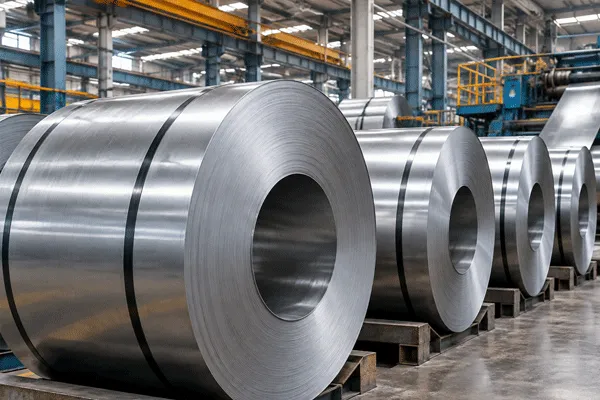
¿Cuáles son las desventajas del acero laminado en frío? Guía completa sobre el acero laminado en frío frente al acero laminado en caliente
Why Is Cold Rolled Steel More Expensive Than Hot Rolled Steel?
The production method directly affects the final price.
When making hot rolled steel, manufacturers heat steel above the recrystallization temperature and shape it through a rolling mill.
This process is faster and requires fewer finishing steps.
Cold rolled steel production requires additional processing after hot rolling.
The steel is processed at room temperature, which improves:
- Thickness accuracy
- Surface quality
- Tolerancia dimensional
However, these improvements require additional equipment and production time.
Una simple comparación:
| Factor |
Acero laminado en frío |
Acero laminado en caliente |
| Processing steps |
Más |
Fewer |
| Production cost |
Más alto |
Inferior |
| Surface quality |
Excellent |
Basic |
| Precision |
High |
Medio |
| Price level |
Más alto |
Inferior |
For buyers, the correct choice depends on whether performance improvements justify the additional cost.
What Are the Advantages of Cold Rolling Despite Its Disadvantages?
Although this article focuses on the disadvantages of cold rolled steel, cold rolling also provides many valuable advantages. The reason many manufacturers still choose cold rolled steel is because its performance matches specific industrial requirements.
The main advantages of cold rolling include:
1. Excellent Surface Finish
One of the biggest advantages of cold rolling is the improved surface finish.
Because steel is processed through rollers at room temperature, manufacturers can achieve a cleaner and smoother surface compared with traditional hot rolled products.
Cold rolled steel provides:
- Smooth surface appearance
- Better painting performance
- Higher surface quality
- Improved aesthetics
This makes it suitable for products where appearance is important.
Entre las aplicaciones típicas se incluyen:
- Automotive exterior panels
- Electrical equipment
- Household appliances
- Precision machinery
- Decorative steel products
Compared with hot rolled steel, cold rolled steel provides better visual quality and tighter control of the final dimensions.
2. Higher Strength and Better Mechanical Properties
Another important advantage is increased strength.
During the cold rolling process, steel undergoes deformation without heating. This changes the microstructure of the steel and increases hardness.
As a result, cold rolled steel often has:
- Higher tensile strength
- Higher yield strength
- Better dimensional stability
- Improved strength and hardness
This is why some buyers consider cold rolled steel stronger than hot-rolled steel.
However, higher strength also means the material becomes less flexible.
For applications requiring bending or complex forming, engineers must carefully evaluate the material properties.
What Are the Disadvantages of Cold Rolling in Manufacturing?
The disadvantages of cold rolling are mainly related to production complexity and material behavior.
1. Reduced Formability
Because cold rolled steel becomes harder during processing, it may be more difficult to shape.
The increased hardness can make:
- Deep drawing more difficult
- Bending operations more challenging
- Complex forming slower
Manufacturers using cold rolled steel often need advanced equipment and precise processing methods.
For example, automotive manufacturers require careful control when forming body panels because the material must maintain strength while achieving complex shapes.
2. Higher Internal Stress
Cold rolling creates residual stress inside the material.
When steel is compressed by rollers at room temperature, the deformation is not completely removed.
This may create:
- Internal stress
- Shape changes after cutting
- Dimensional instability
To solve this problem, manufacturers often use annealing processes.
Annealing helps improve:
- Flexibility
- Estabilidad
- Processing performance
How Does Cold Rolled Steel Compare with Hot Rolled Steel?
The comparison of hot rolled steel vs cold rolled steel is one of the most common questions from global steel buyers.
Both materials are valuable, but they serve different purposes.
| Comparación |
Acero laminado en frío |
Acero laminado en caliente |
| Manufacturing method |
Additional rolling after hot rolling |
Rolling at high temperatures |
| Acabado superficial |
Superficie lisa |
Superficie más rugosa |
| Precisión dimensional |
Higher tolerance control |
Lower precision |
| Fuerza |
Mayor resistencia |
Good structural strength |
| Coste |
More expensive |
Más económico |
| Formabilidad |
More difficult |
Easier |
| Uso común |
Productos de precisión |
Structural applications |
The choice between hot rolled vs cold rolled depends on the final application.
Por ejemplo:
A steel structure contractor building a warehouse may select hot rolled steel because large structural components require strength and cost efficiency.
A machinery manufacturer producing precision parts may select cold rolled steel because accuracy and surface quality are more important.
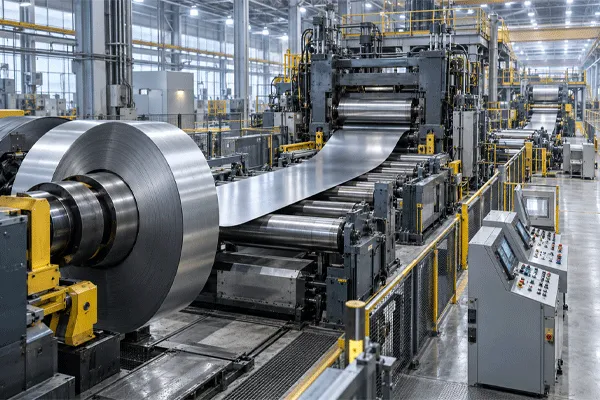
¿Cuáles son las desventajas del acero laminado en frío? Guía completa sobre el acero laminado en frío frente al acero laminado en caliente
What Applications Are Suitable for Cold Rolled Steel?
Cold rolled steel is widely used in industries where precision and appearance matter.
Entre sus aplicaciones más habituales se encuentran:
| Industria |
Aplicación |
| Automoción |
Vehicle panels and components |
| Appliances |
Refrigerator and washing machine panels |
| Machinery |
Precision parts |
| Electronics |
Equipment housings |
| Mobiliario |
Metal frames |
| Fabricación |
Processed steel sheets |
Cold rolled steel products are especially suitable when customers require:
- Accurate thickness
- Superficie lisa
- Stable dimensions
- Good appearance
For these applications, the additional cost is often justified by improved performance.
What Applications Are Better for Hot Rolled Steel?
Although cold rolled steel has many benefits, hot rolled steel remains essential for large-scale projects.
The advantages of hot rolled steel include:
- Menor coste de los materiales
- Easier welding
- Better formability
- Large size availability
Typical applications:
| Industria |
Productos |
| Construcción |
Steel structures |
| Infraestructura |
Bridges and supports |
| Edificios industriales |
Frames and beams |
| Heavy machinery |
Structural components |
| Energy projects |
Large steel sections |
Hot rolling is preferred when the project requires:
- Heavy load capacity
- Large dimensions
- Cost control
- Structural reliability
How Does Steel Production Affect Material Performance?
The steel production method directly influences the final characteristics of the material.
During production, factors such as:
- Heating temperature
- Rolling pressure
- Cooling speed
- Chemical composition
- Processing method
all affect steel performance.
When making hot rolled steel, steel is heated above the recrystallization temperature before shaping.
This makes the material easier to compress and form.
During cold rolling, steel is processed at room temperature, improving precision but increasing hardness.
Therefore, understanding production methods helps buyers choose the correct steel product.
How Can Global Buyers Choose the Right Steel Supplier?
For international buyers, selecting steel is not only about choosing the material. Choosing the right supplier is equally important.
A reliable steel manufacturer should provide:
Product Capability
Including:
- Cold rolled steel coils
- Hot rolled steel coils
- Placas de acero
- Steel sheets
- Tubos de acero
- Galvanized steel products
Customization Service
Professional suppliers should support:
- Espesor personalizado
- Width adjustment
- Tratamiento de superficies
- Corte
- Corte longitudinal
- Packaging solutions
Quality Control
Important documents and services include:
- Material Test Certificate (MTC)
- Inspección de terceros
- Quality tracking
- Export documentation
Our company provides integrated steel supply solutions for global customers, supporting distributors, importers, contractors, and industrial manufacturers with stable production capacity and customized requirements.
Case Study: Selecting Cold Rolled Steel for Precision Manufacturing
A machinery manufacturer needed steel sheets for equipment covers and precision components.
The customer initially considered hot rolled products because of lower cost.
After reviewing the requirements, we compared both options:
| Requirement |
Material recomendado |
| Smooth appearance |
acero laminado en frío |
| Accurate dimensions |
acero laminado en frío |
| Heavy structural support |
Acero laminado en caliente |
| Lower budget |
Acero laminado en caliente |
The final solution used cold rolled steel for visible precision parts and hot rolled steel for internal structural components.
This approach helped the customer:
- Reduce unnecessary expenses
- Improve product appearance
- Maintain production efficiency
- Receive stable material supply
This example shows that the best steel solution depends on the application rather than simply choosing the strongest material.
Frequently Asked Questions About Cold Rolled Steel
What are the main disadvantages of cold rolled steel?
The main disadvantages of cold rolled steel include higher production costs, limited thickness options, reduced flexibility, and more difficult forming compared with hot rolled steel.
¿Es el acero laminado en frío más fuerte que el acero laminado en caliente?
Cold rolled steel usually has higher tensile strength and hardness because the cold rolling process increases strength through deformation. However, hot rolled steel may be better for heavy structural applications.
¿Por qué es más caro el acero laminado en frío?
Cold rolled steel requires additional processing after hot rolling, including precision rolling, surface treatment, and quality control, which increases manufacturing costs.
Can cold rolled steel be welded?
Yes. Cold rolled steel can be welded, but proper welding methods are required because higher strength and internal stress may affect processing performance.
Which is better, hot rolled steel or cold rolled steel?
Neither material is universally better. Cold rolled steel is better for precision and appearance, while hot rolled steel is better for large structures and cost-effective projects.
What industries use cold rolled steel?
Cold rolled steel is commonly used in automotive, machinery, appliances, electronics, furniture, and precision manufacturing industries.
Final Summary: Key Points About Cold Rolled Steel Advantages and Disadvantages
- Cold rolled steel provides excellent surface finish, accurate dimensions, and higher strength.
- The main disadvantage is higher production cost compared with hot rolled products.
- Cold rolling improves precision but reduces flexibility.
- Cold rolled steel is suitable for thin sheets and precision manufacturing.
- Hot rolled steel remains the preferred choice for heavy structural applications.
- Understanding hot rolled vs cold rolled steel helps buyers select the correct material.
- Professional suppliers can provide customized steel solutions based on project requirements.
- Material selection should consider strength, cost, processing, and final application.
- A reliable steel manufacturer can support global buyers with customization, inspection, and export services.
For construction companies, manufacturers, distributors, and international project buyers, choosing the right steel partner is just as important as choosing the right steel grade. A professional supplier can help optimize cost, quality, and long-term project performance.









 09-09 2026