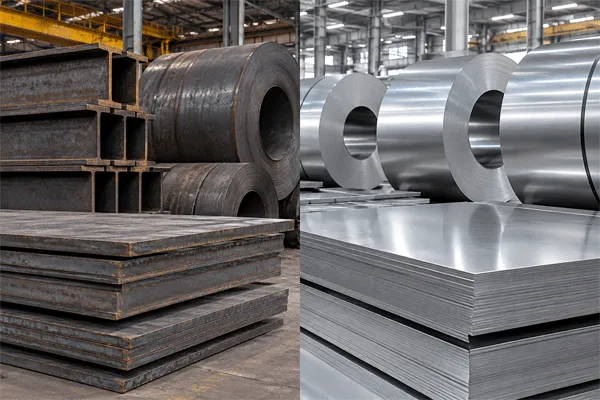
¿Cuáles son las desventajas del acero laminado en frío? Guía completa sobre el acero laminado en frío frente al acero laminado en caliente

Banner de noticias en la página web de Luyuan Steel

¿Cuáles son las desventajas del acero laminado en frío? Guía completa sobre el acero laminado en frío frente al acero laminado en caliente

¿Cuáles son las desventajas del acero laminado en frío? Guía completa sobre el acero laminado en frío frente al acero laminado en caliente

09-08 2026

Cold rolled steel is widely used because of its smooth surface, accurate dimensions, and strong mechanical properties. However, choosing the wrong type of steel can increase production costs and create processing problems. Understanding the disadvantages of cold rolled steel helps buyers select the right material for construction, manufacturing, and industrial applications.

acero laminado en frío is a type of steel processed at room temperature after hot rolling. It offers excellent surface finish, tight tolerance, and higher strength, but it also has disadvantages such as higher cost, limited thickness options, and more difficult forming compared with hot rolled steel.
¿Cuáles son las desventajas del acero laminado en frío? Guía completa sobre el acero laminado en frío frente al acero laminado en caliente

¿Qué es el acero laminado en frío y cómo se produce?

Steel is one of the most important industrial materials worldwide. It is used in construction, machinery, automotive manufacturing, infrastructure projects, and many other industries.

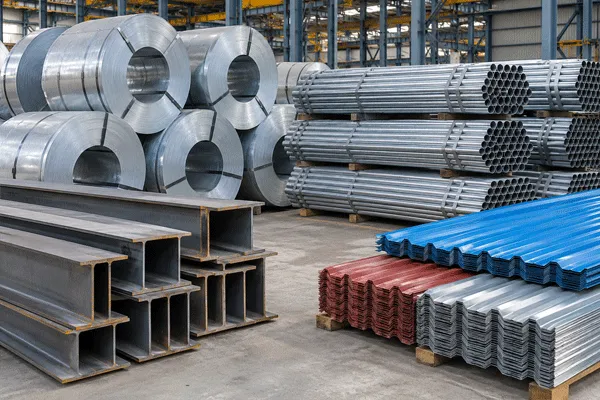
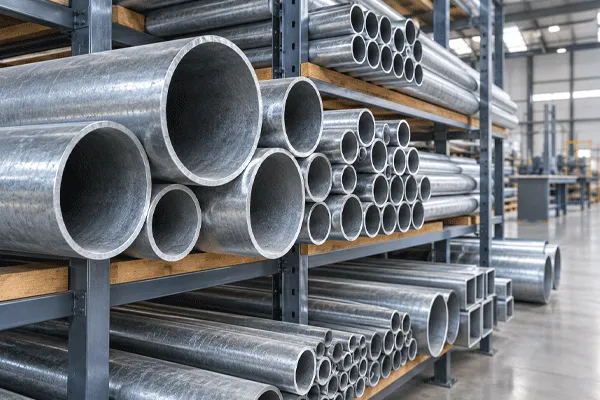
At our company, we provide factory-direct steel supply and customized processing solutions for global buyers, including acero laminado en frío, acero laminado en caliente, galvanized steel products, steel plates, pipes, and customized steel materials. Our services include cutting, slitting, surface treatment, OEM customization, quality inspection, and export support.

The production process determines the final performance of steel.

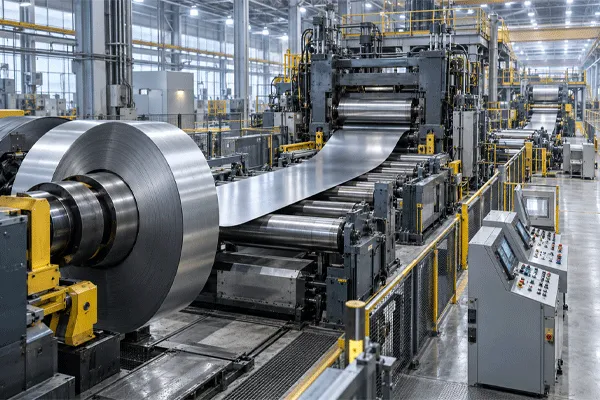
The cold rolling process starts with hot rolled steel. After the steel coil is produced at high temperatures, manufacturers further process it through rollers at room temperature.

El proceso básico incluye:

Paso del proceso Description
Laminado en caliente Steel is produced at high temperatures and formed into coils
Encurtido Removes surface oxides and impurities
Laminado en frío Steel passes through rollers near room temperature
Recocido Improves flexibility and reduces internal stress
Surface finishing Creates the required surface quality

During cold rolling, the steel undergoes additional deformation. This improves strength and dimensional accuracy but also creates some disadvantages.

¿Cuáles son las principales desventajas del acero laminado en frío?

Although cold rolled steel provides many benefits, it is not suitable for every application.

The most common disadvantages include:

1. Mayor costo de producción

One major disadvantage of cold rolled steel is its higher manufacturing cost compared with hot rolled steel.

The additional processing steps require:

  • More production time
  • Additional equipment
  • More energy consumption
  • Extra surface treatment processes

Because the steel goes through multiple stages after hot rolling, the final price is usually higher.

For large construction projects where cost control is important, buyers often compare hot rolled and cold rolled materials before making purchasing decisions.

2. Limited Thickness Availability

Another disadvantage of cold rolled steel is that it is usually available in thinner sizes.

The cold rolling process works best for thinner steel products because deformation at room temperature requires more force.

For heavy structural applications, hot rolled steel is often preferred because it can produce thicker sections.

Typical cold rolled steel applications include:

  • Automotive components
  • Electrical appliances
  • Precision machinery
  • Mobiliario
  • Interior structures

However, large beams, heavy plates, and structural components often require hot rolled steel.

3. More Difficult Forming and Shaping

Cold rolled steel has higher strength and hardness because the material becomes hardened during processing.

This means it can be:

  • More difficult to bend
  • More difficult to shape
  • Less flexible compared with hot rolled steel

During manufacturing, companies need suitable equipment to process cold rolled steel without causing cracks or deformation.

The increased hardness is useful for some applications but becomes a challenge for complex forming operations.

What Is the Difference Between Hot Rolled Steel and Cold Rolled Steel?

Many buyers ask:

What’s the difference between hot rolled and cold rolled steel?

The main difference is the processing temperature.

Característica Acero laminado en caliente Acero laminado en frío
Temperatura de procesamiento High temperatures above recrystallization temperature A temperatura cercana a la ambiente
Acabado superficial Superficie más rugosa Superficie lisa
Tolerancia dimensional Lower accuracy Higher precision
Fuerza Standard strength Higher strength after hardening
Coste Inferior Más alto
Aplicaciones Structural projects Precision manufacturing

The hot rolling process uses steel at high temperatures, making it easier to compress and shape.

The cold rolling process involves further processing after hot rolling, improving accuracy and surface quality.

Therefore, the choice between hot rolled steel and cold rolled steel depends on project requirements.
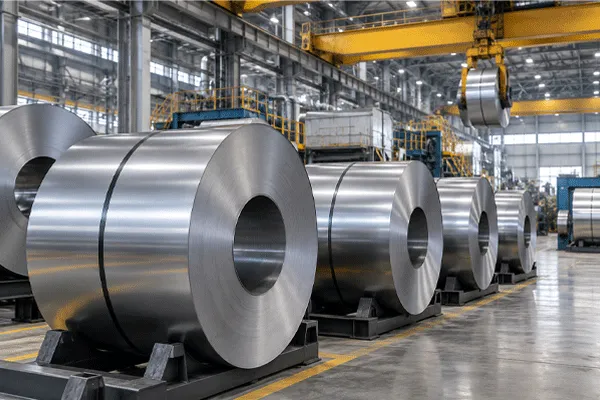
¿Cuáles son las desventajas del acero laminado en frío? Guía completa sobre el acero laminado en frío frente al acero laminado en caliente

Why Does Cold Rolled Steel Have Better Surface Finish but Higher Cost?

One of the biggest advantages of cold rolled steel is its excellent surface finish.

Because the steel is processed through rollers at room temperature, manufacturers can achieve:

  • Superficie lisa
  • Dimensiones exactas
  • Better appearance
  • Improved aesthetics

For industries where appearance matters, cold-rolled steel is often the preferred choice.

Examples include:

  • Paneles para la industria del automóvil
  • Household appliances
  • Decorative metal products
  • Precision equipment

However, achieving this smooth surface requires additional steel processing, which increases manufacturing expenses.

Compared with hot rolled steel, cold rolled steel offers better surface quality but requires a more complex production route.

How Does Cold Rolling Affect Steel Strength and Mechanical Properties?

The cold rolling process changes the internal structure of steel.

When steel passes through rollers at room temperature, the material experiences deformation.

This process can:

  • Increase tensile strength
  • Improve yield strength
  • Increase hardness
  • Reduce flexibility

Cold rolled steel is often stronger than hot rolled steel because the material becomes hardened during processing.

However, increased strength also means reduced ductility.

In some applications, engineers need steel that can easily bend and absorb deformation. In these cases, hot rolled steel may perform better.

The balance between strength and flexibility is important when selecting the correct type of steel.


What Are the Disadvantages of Cold Rolling Compared with Hot Rolling?

When comparing hot rolled vs cold rolled steel, buyers should understand that each production method creates different material characteristics.

The advantages and disadvantages of cold rolling mainly depend on whether the project requires precision, appearance, strength, or cost efficiency.

Cold rolled steel performs very well in applications requiring accurate dimensions and a smooth surface. However, it may not always be the best option for heavy structural projects.

The main disadvantages of cold rolling include:

Disadvantage Impact on Application
Higher production cost Increases material purchasing cost
Limited thickness range Not ideal for heavy structural sections
Lower ductility More difficult bending and forming
Higher internal stress Requires additional heat treatment
More complex processing Longer production cycle

For example, a steel structure manufacturer building large warehouses may prefer hot rolled steel because it provides excellent load-bearing ability at a lower cost.

On the other hand, a machinery manufacturer producing precision components may choose cold rolled steel because dimensional accuracy is more important.

Does Cold Rolled Steel Have More Internal Stress?

Yes. One important disadvantage of cold rolled steel is the possibility of higher residual stress.

During the cold rolling process, steel is compressed and deformed without heating above the recrystallization temperature.

This creates changes in the internal structure of the material.

The result can include:

  • Increased hardness
  • Mayor resistencia
  • More internal stress
  • Reduced flexibility

Residual stress may influence:

  • Welding performance
  • Cutting accuracy
  • Shape stability
  • Final product quality

Manufacturers often use annealing processes to reduce internal stress and improve workability.

For precision industries, controlling these factors is important because even small deformation can affect product performance.

¿Cuáles son las desventajas del acero laminado en frío? Guía completa sobre el acero laminado en frío frente al acero laminado en caliente

¿Es el acero laminado en frío más resistente que el acero laminado en caliente?

A common question from buyers is:

¿Es el acero laminado en frío más fuerte que el acero laminado en caliente?

In many cases, yes.

Cold rolled steel usually has:

  • Higher tensile strength
  • Higher yield strength
  • Mayor precisión dimensional
  • Greater hardness

The cold rolling process increases strength through work hardening.

However, stronger does not always mean better.

For structural applications, engineers also consider:

  • Load requirements
  • Soldabilidad
  • Forming requirements
  • Coste
  • Environmental conditions

Por ejemplo:

A steel structure frame requires materials that can withstand large loads and maintain stability.

A precision machine component requires accurate dimensions and smooth surfaces.

Therefore, the correct choice depends on the application.

What Are the Advantages of Cold Rolling Despite Its Disadvantages?

Although this article focuses on the disadvantages of cold rolled steel, cold rolling also provides unique advantages.

The main advantages of cold rolling include:

1. Excellent Dimensional Tolerance

Cold rolled steel provides precise thickness and width control.

This makes it suitable for industries requiring accurate specifications.

Examples:

  • Automotive manufacturing
  • Electrical equipment
  • Machinery parts
  • Componentes de precisión

2. Better Surface Finish

A smooth surface finish is one of the biggest benefits.

Cold rolled steel provides:

  • Cleaner appearance
  • Better painting performance
  • Improved aesthetics

3. Higher Strength

Because cold rolling increases hardness, the material can achieve higher strength compared with standard hot rolled products.

This makes it valuable for applications requiring stronger thin steel sheets.

When Should You Choose Cold Rolled Steel Instead of Hot Rolled Steel?

The choice between hot rolled steel vs cold rolled steel depends on the project requirements.

Use cold rolled steel when you need:

✅ Precise dimensions
✅ Smooth surface finish
✅ Higher strength
✅ Better appearance
✅ Thin steel sheets

Common applications:

Industria Aplicación
Automoción Body panels and components
Appliances Exterior panels
Machinery Precision parts
Mobiliario Metal frames
Electrical Equipment housings

Choose hot rolled steel when you need:

✅ Large structural sections
✅ Lower cost
✅ Heavy load capacity
✅ Easier welding

Common applications:

Industria Aplicación
Construcción Steel structures
Infraestructura Bridges and supports
Edificios industriales Frames and beams
Heavy equipment Piezas estructurales

How Do Steel Buyers Select the Right Material for Projects?

For international buyers, selecting steel is not only about price.

A reliable supplier should help evaluate:

  • Application requirements
  • Propiedades mecánicas
  • Processing requirements
  • Surface requirements
  • Plazo de entrega

At our company, we support global steel buyers with customized solutions, including:

  • Cold rolled steel coils
  • Hot rolled steel coils
  • Bobinas de acero galvanizado
  • PPGI and PPGL steel products
  • Placas de acero
  • Tubos de acero
  • Stainless steel products
  • Aluminum and copper materials

Our OEM/ODM service allows customers to customize:

  • Espesor
  • Anchura
  • Peso del recubrimiento
  • Tratamiento de superficies
  • Colores RAL
  • Corte y ranurado
  • Embalaje para exportación

We also support:

  • Documentación de MTC
  • Inspección de terceros
  • Coordinación de logística internacional

This helps distributors, contractors, and project buyers reduce purchasing risks.

Case Study: Choosing Between Cold Rolled and Hot Rolled Steel for Industrial Applications

A manufacturing customer needed steel materials for equipment production.

The original plan considered cold rolled steel because of its smooth appearance.

After reviewing the application requirements, our technical team compared:

Requirement Material recomendado
Visible surface acero laminado en frío
Heavy structural parts Acero laminado en caliente
Componentes de precisión acero laminado en frío
Cost-sensitive structures Acero laminado en caliente

The final solution combined different steel products according to each component’s function.

This approach helped the customer:

  • Reduce unnecessary costs
  • Improve production efficiency
  • Maintain product quality
  • Receive stable material supply

This example shows that the best steel solution is not always one single material. It depends on engineering requirements.

Frequently Asked Questions About Cold Rolled Steel

What are the disadvantages of cold rolled steel?

The main disadvantages of cold rolled steel include higher cost, limited thickness options, reduced flexibility, and more complex processing requirements compared with hot rolled steel.

¿Es el acero laminado en frío más fuerte que el acero laminado en caliente?

Cold rolled steel generally has higher tensile strength and hardness because of work hardening during the cold rolling process. However, hot rolled steel may perform better for heavy structural applications.

¿Por qué es más caro el acero laminado en frío?

Cold rolled steel requires additional processing after hot rolling, including surface treatment, rolling, and quality control. These extra steps increase production costs.

Can cold rolled steel be welded?

Yes, cold rolled steel can be welded. However, welding conditions must be controlled because higher strength and internal stress may affect welding performance.

¿Cuál es la diferencia entre el acero laminado en caliente y el acero laminado en frío?

The main difference is processing temperature. Hot rolled steel is processed at high temperatures, while cold rolled steel is processed near room temperature, creating better tolerance and surface finish.

Which type of steel is best for construction projects?

For heavy structural construction, hot rolled steel is often preferred because of cost efficiency and load-bearing ability. Cold rolled steel is better suited for precision applications requiring accurate dimensions and smooth surfaces.

Final Summary: Key Points About Cold Rolled Steel Disadvantages

  • Cold rolled steel provides excellent surface finish, accurate dimensions, and higher strength.
  • The main disadvantage is higher cost compared with hot rolled steel.
  • Cold rolling creates stronger material but may reduce flexibility.
  • Cold rolled steel has limited thickness options compared with hot rolled products.
  • Internal stress can affect forming and welding performance.
  • Hot rolled vs cold rolled steel selection depends on application requirements.
  • Cold rolled steel is ideal for precision manufacturing and appearance-focused products.
  • Hot rolled steel is usually better for heavy structures and large-scale construction.
  • Working with an experienced steel supplier helps buyers choose the correct material.
  • A professional supplier can provide customization, inspection support, documentation, and reliable global delivery.

For global distributors, contractors, and industrial buyers, choosing the right steel material is the first step toward improving project quality and controlling costs. A reliable manufacturing partner can provide not only steel products but also technical support, customization services, and long-term supply solutions.

Solicitar presupuesto

    Le responderemos en un plazo de 24 horas. Si para el caso urgente, por favor agregue WhatsApp/WeChat: +86 15066120072,. O llame directamente al +86 15066120072.

    *Respetamos su confidencialidad y toda la información está protegida.

    Sólo utilizaremos sus datos para responder a su consulta y nunca le enviaremos correos electrónicos o mensajes promocionales no solicitados.