







Schedule 40 vs Schedule 80 Steel Pipe: How to Choose the Right Wall Thickness
Explore galvanized steel pipe sizes, OD, wall thickness, and schedule 40 charts. Learn how to measure galvanized pipe size and astm a53 specifications.
10-22 2026

 09-09 2026
Choosing the wrong steel material can increase production costs, create processing difficulties, and affect final product performance. Many buyers compare cold rolled steel and hot rolled steel but overlook important differences. Understanding the disadvantages of soğuk haddelenmiş çelik helps you select the right material for construction, manufacturing, and industrial applications.
Cold rolled steel is steel processed at room temperature after hot rolling. It provides excellent surface finish, accurate dimensions, and higher strength, but its disadvantages include higher cost, limited thickness options, reduced flexibility, and more complex processing compared with hot rolled steel.
Steel is one of the most widely used industrial materials in the world. It supports construction, infrastructure, manufacturing, machinery, transportation, and many other industries.
As a professional steel manufacturer and integrated steel supplier in China, we provide factory-direct steel solutions for global buyers. Our products include cold rolled steel, sıcak haddelenmiş çelik, galvanized steel coils, PPGI steel coils, PPGL steel coils, steel plates, steel pipes, stainless steel products, aluminum materials, and copper products.
We support OEM / ODM customization services, including thickness adjustment, width customization, coating requirements, surface treatment, cutting, slitting, profiling, packaging, third-party inspection, MTC documents, and international logistics. Our steel products are widely used in construction projects, steel structures, roofing systems, manufacturing facilities, warehouses, agriculture projects, and industrial applications.
Understanding how steel is processed is important because different production methods create different properties.
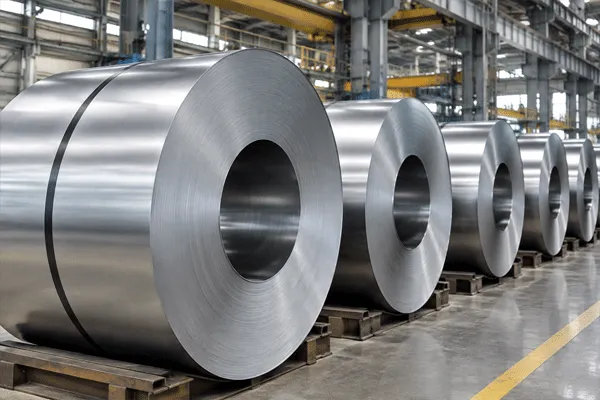
What Are the Disadvantages of Cold Rolled Steel? Complete Guide to Cold Rolled Steel vs Hot Rolled Steel
The cold rolling process starts with hot rolled steel. After steel is produced at high temperatures, manufacturers continue processing the material through precision rollers at room temperature.
The basic process includes:
| Production Step | Description |
|---|---|
| Steel heating | Steel is heated at high temperatures during initial production |
| Hot rolling | Steel is compressed and shaped above the recrystallization temperature |
| Pickling | Removes oxide scale from the surface |
| Cold rolling | Steel passes through rollers near room temperature |
| Annealing | Reduces internal stress and improves flexibility |
| Surface finishing | Improves surface quality and appearance |
During cold rolling, the thickness of the steel is reduced while improving dimensional accuracy.
This additional processing creates the unique characteristics of cold rolled steel.
Many buyers ask:
What is the difference between hot rolled and cold rolled steel?
The main difference is the temperature during processing.
Hot rolling uses steel at high temperatures, while cold rolling processes steel at room temperature after hot rolling.
| Feature | Soğuk Haddelenmiş Çelik | Sıcak Haddelenmiş Çelik |
|---|---|---|
| Processing temperature | Room temperature | High temperature |
| Surface finish | Smooth and clean | Rougher surface |
| Dimensional tolerance | Higher accuracy | Lower accuracy |
| Strength | Higher strength | Standard strength |
| Cost | Higher | More economical |
| Common applications | Precision products | Heavy structures |
The difference between hot rolled and cold rolled steel comes from how the material changes during production.
During hot rolling, steel is easier to shape because heating reduces resistance.
During cold rolling, steel becomes harder because deformation occurs without heating.
This creates better mechanical properties but also introduces some disadvantages.
Although cold rolled steel offers many advantages, it also has several limitations.
The main disadvantages include:
The biggest disadvantage of cold rolled steel is its higher price compared with hot rolled products.
Cold rolled steel requires additional processing steps after hot rolling:
These extra processes increase:
For large construction projects where thousands of tons of material are required, cost differences can significantly affect the overall budget.
Therefore, many buyers carefully evaluate whether soğuk haddelenmiş çelik performance is necessary for their application.
Another disadvantage is the limitation of thickness.
Cold rolling works best for thinner steel sheets because processing steel at room temperature requires higher rolling force.
Compared with hot rolled steel, cold rolled steel is usually used for:
For heavy steel structures, large beams, and thick plates, hot rolled steel is usually a better choice.
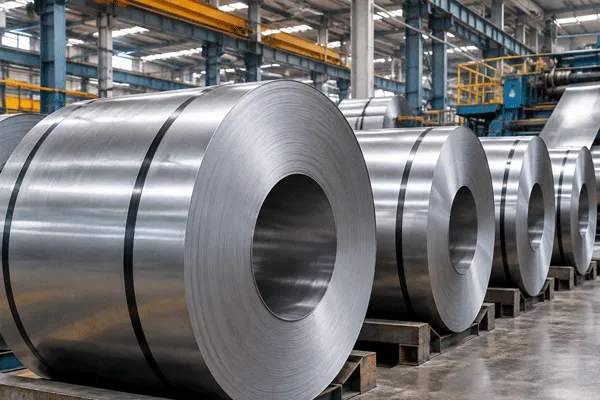
What Are the Disadvantages of Cold Rolled Steel? Complete Guide to Cold Rolled Steel vs Hot Rolled Steel
The production method directly affects the final price.
When making hot rolled steel, manufacturers heat steel above the recrystallization temperature and shape it through a rolling mill.
This process is faster and requires fewer finishing steps.
Cold rolled steel production requires additional processing after hot rolling.
The steel is processed at room temperature, which improves:
However, these improvements require additional equipment and production time.
A simple comparison:
| Factor | Soğuk Haddelenmiş Çelik | Sıcak Haddelenmiş Çelik |
|---|---|---|
| Processing steps | More | Fewer |
| Production cost | Higher | Lower |
| Surface quality | Excellent | Basic |
| Precision | High | Medium |
| Price level | Higher | Lower |
For buyers, the correct choice depends on whether performance improvements justify the additional cost.
Although this article focuses on the disadvantages of cold rolled steel, cold rolling also provides many valuable advantages. The reason many manufacturers still choose cold rolled steel is because its performance matches specific industrial requirements.
The main advantages of cold rolling include:
One of the biggest advantages of cold rolling is the improved surface finish.
Because steel is processed through rollers at room temperature, manufacturers can achieve a cleaner and smoother surface compared with traditional hot rolled products.
Cold rolled steel provides:
This makes it suitable for products where appearance is important.
Typical applications include:
Compared with hot rolled steel, cold rolled steel provides better visual quality and tighter control of the final dimensions.
Another important advantage is increased strength.
During the cold rolling process, steel undergoes deformation without heating. This changes the microstructure of the steel and increases hardness.
As a result, cold rolled steel often has:
This is why some buyers consider cold rolled steel stronger than hot-rolled steel.
However, higher strength also means the material becomes less flexible.
For applications requiring bending or complex forming, engineers must carefully evaluate the material properties.
The disadvantages of cold rolling are mainly related to production complexity and material behavior.
Because cold rolled steel becomes harder during processing, it may be more difficult to shape.
The increased hardness can make:
Manufacturers using cold rolled steel often need advanced equipment and precise processing methods.
For example, automotive manufacturers require careful control when forming body panels because the material must maintain strength while achieving complex shapes.
Cold rolling creates residual stress inside the material.
When steel is compressed by rollers at room temperature, the deformation is not completely removed.
This may create:
To solve this problem, manufacturers often use annealing processes.
Annealing helps improve:
The comparison of hot rolled steel vs cold rolled steel is one of the most common questions from global steel buyers.
Both materials are valuable, but they serve different purposes.
| Comparison | Soğuk Haddelenmiş Çelik | Sıcak Haddelenmiş Çelik |
|---|---|---|
| Manufacturing method | Additional rolling after hot rolling | Rolling at high temperatures |
| Surface finish | Smooth surface | Rougher surface |
| Dimensional accuracy | Higher tolerance control | Lower precision |
| Strength | Higher strength | Good structural strength |
| Cost | More expensive | More economical |
| Formability | More difficult | Easier |
| Common use | Precision products | Structural applications |
The choice between hot rolled vs cold rolled depends on the final application.
For example:
A steel structure contractor building a warehouse may select hot rolled steel because large structural components require strength and cost efficiency.
A machinery manufacturer producing precision parts may select cold rolled steel because accuracy and surface quality are more important.
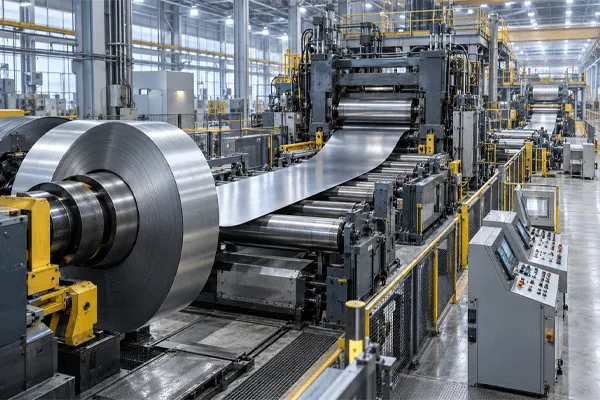
What Are the Disadvantages of Cold Rolled Steel? Complete Guide to Cold Rolled Steel vs Hot Rolled Steel
Cold rolled steel is widely used in industries where precision and appearance matter.
Common applications include:
| Industry | Application |
|---|---|
| Automotive | Vehicle panels and components |
| Appliances | Refrigerator and washing machine panels |
| Machinery | Precision parts |
| Electronics | Equipment housings |
| Furniture | Metal frames |
| Üretim | Processed steel sheets |
Cold rolled steel products are especially suitable when customers require:
For these applications, the additional cost is often justified by improved performance.
Although cold rolled steel has many benefits, hot rolled steel remains essential for large-scale projects.
The advantages of hot rolled steel include:
Typical applications:
| Industry | Products |
|---|---|
| İnşaat | Steel structures |
| Altyapı | Bridges and supports |
| Industrial buildings | Frames and beams |
| Heavy machinery | Structural components |
| Energy projects | Large steel sections |
Hot rolling is preferred when the project requires:
The steel production method directly influences the final characteristics of the material.
During production, factors such as:
all affect steel performance.
When making hot rolled steel, steel is heated above the recrystallization temperature before shaping.
This makes the material easier to compress and form.
During cold rolling, steel is processed at room temperature, improving precision but increasing hardness.
Therefore, understanding production methods helps buyers choose the correct steel product.
For international buyers, selecting steel is not only about choosing the material. Choosing the right supplier is equally important.
A reliable steel manufacturer should provide:
Including:
Professional suppliers should support:
Important documents and services include:
Our company provides integrated steel supply solutions for global customers, supporting distributors, importers, contractors, and industrial manufacturers with stable production capacity and customized requirements.
A machinery manufacturer needed steel sheets for equipment covers and precision components.
The customer initially considered hot rolled products because of lower cost.
After reviewing the requirements, we compared both options:
| Requirement | Recommended Material |
|---|---|
| Smooth appearance | Cold rolled steel |
| Accurate dimensions | Cold rolled steel |
| Heavy structural support | Hot rolled steel |
| Lower budget | Hot rolled steel |
The final solution used cold rolled steel for visible precision parts and hot rolled steel for internal structural components.
This approach helped the customer:
This example shows that the best steel solution depends on the application rather than simply choosing the strongest material.
The main disadvantages of cold rolled steel include higher production costs, limited thickness options, reduced flexibility, and more difficult forming compared with hot rolled steel.
Cold rolled steel usually has higher tensile strength and hardness because the cold rolling process increases strength through deformation. However, hot rolled steel may be better for heavy structural applications.
Cold rolled steel requires additional processing after hot rolling, including precision rolling, surface treatment, and quality control, which increases manufacturing costs.
Yes. Cold rolled steel can be welded, but proper welding methods are required because higher strength and internal stress may affect processing performance.
Neither material is universally better. Cold rolled steel is better for precision and appearance, while hot rolled steel is better for large structures and cost-effective projects.
Cold rolled steel is commonly used in automotive, machinery, appliances, electronics, furniture, and precision manufacturing industries.
For construction companies, manufacturers, distributors, and international project buyers, choosing the right steel partner is just as important as choosing the right steel grade. A professional supplier can help optimize cost, quality, and long-term project performance.
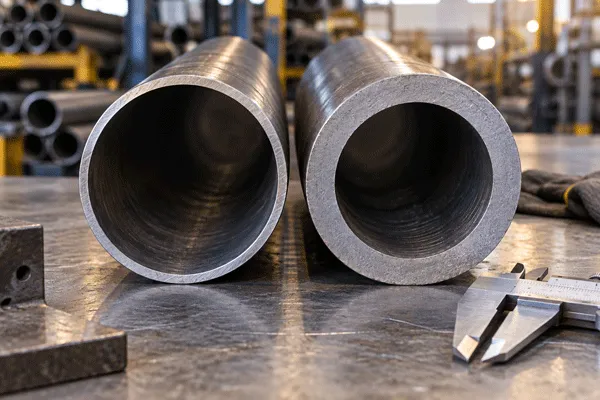
Explore galvanized steel pipe sizes, OD, wall thickness, and schedule 40 charts. Learn how to measure galvanized pipe size and astm a53 specifications.
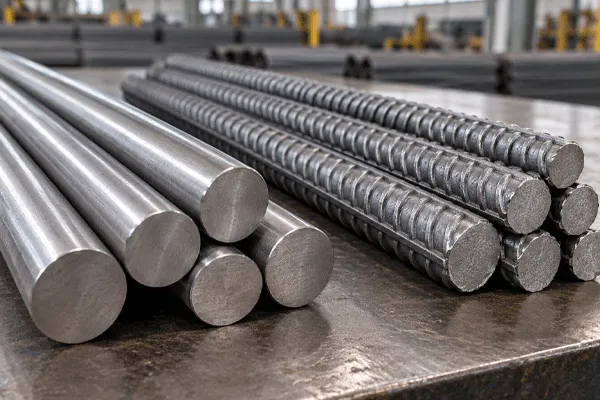
Compare plain round bar and deformed bar in this steel reinforcement guide. Learn which type of steel bar and rebar is best for your construction project.
24 saat içinde size yanıt vereceğiz. Acil durumlarda lütfen WhatsApp/WeChat üzerinden bize ulaşın: +86 15066120072. Veya doğrudan +86 15066120072 numarasını arayın.
*Gizliliğinize saygı duyuyoruz ve tüm bilgileriniz korunmaktadır.
Bilgilerinizi yalnızca talebinize yanıt vermek amacıyla kullanacağız ve asla izniniz olmadan e-posta veya tanıtım mesajları göndermeyeceğiz.