







Schedule 40 vs Schedule 80 Steel Pipe: How to Choose the Right Wall Thickness
Explore galvanized steel pipe sizes, OD, wall thickness, and schedule 40 charts. Learn how to measure galvanized pipe size and astm a53 specifications.
10-22 2026

 09-09 2026
قد يؤدي اختيار مادة فولاذية غير مناسبة إلى زيادة تكاليف الإنتاج، وخلق صعوبات في المعالجة، والتأثير في أداء المنتج النهائي. يقارن العديد من المشترين بين الفولاذ المدرفل على البارد والفولاذ المدرفل على الساخن، لكنهم يغفلون فروقًا مهمة. إن فهم عيوب الصلب المدلفن على البارد helps you select the right material for construction, manufacturing, and industrial applications.
Cold rolled steel is steel processed at room temperature after hot rolling. It provides excellent surface finish, accurate dimensions, and higher strength, but its disadvantages include higher cost, limited thickness options, reduced flexibility, and more complex processing compared with hot rolled steel.
يُعد الفولاذ واحدًا من أكثر المواد الصناعية استخدامًا في العالم. فهو يدعم قطاعات البناء، والبنية التحتية، والتصنيع، والآلات، والنقل، والعديد من الصناعات الأخرى.
As a professional steel manufacturer and integrated steel supplier in China, we provide factory-direct steel solutions for global buyers. Our products include cold rolled steel, الصلب المدرفل على الساخن، ولفائف الفولاذ المجلفن، لفات فولاذ PPGI، ولفائف الفولاذ المطلي مسبقًا بالغلفنة (PPGL)، وألواح الفولاذ، وأنابيب الفولاذ، ومنتجات الفولاذ المقاوم للصدأ، ومواد الألومنيوم، ومنتجات النحاس.
We support خدمات التخصيص لتصنيع المعدات الأصلية (OEM) والتصميم والتصنيع الأصلي (ODM)، بما في ذلك ضبط السُمك، وتخصيص العرض، ومتطلبات الطلاء، ومعالجة السطح، والقطع، والشقّ الطولي، والتشكيل الجانبي، والتغليف، والفحص من طرف ثالث، ووثائق MTC، والخدمات اللوجستية الدولية. تُستخدم منتجاتنا من الفولاذ على نطاق واسع في مشاريع البناء، والهياكل الفولاذية، وأنظمة الأسقف، ومنشآت التصنيع، والمستودعات، والمشاريع الزراعية، والتطبيقات الصناعية.
Understanding how steel is processed is important because different production methods create different properties.
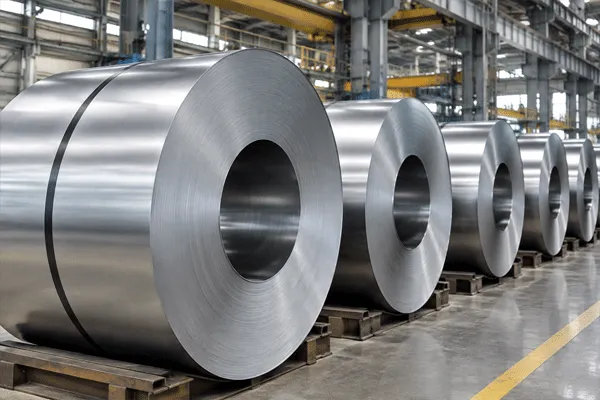
What Are the Disadvantages of Cold Rolled Steel? Complete Guide to Cold Rolled Steel vs Hot Rolled Steel
تبدأ عملية الدرفلة على البارد بالفولاذ المدرفل على الساخن. وبعد إنتاج الفولاذ في درجات حرارة عالية، تواصل الشركات المصنّعة معالجة المادة بتمريرها عبر بكرات دقيقة في درجة حرارة الغرفة.
تشمل العملية الأساسية ما يلي:
| خطوة الإنتاج | Description |
|---|---|
| تسخين الفولاذ | يُسخَّن الفولاذ إلى درجات حرارة مرتفعة أثناء الإنتاج الأولي |
| الدرفلة على الساخن | Steel is compressed and shaped above the recrystallization temperature |
| التخليل | يزيل طبقة الأكسيد المتراكمة على السطح |
| الدرفلة على البارد | يمر الفولاذ عبر بكرات عند درجة حرارة قريبة من درجة حرارة الغرفة |
| التلدين | يقلل الإجهاد الداخلي ويحسن المرونة |
| تشطيب السطح | Improves surface quality and appearance |
أثناء الدرفلة على البارد، يُقلَّل سُمك الفولاذ مع تحسين دقة الأبعاد.
تُكسب هذه المعالجة الإضافية الفولاذ المدرفل على البارد خصائصه الفريدة.
يسأل العديد من المشترين:
ما الفرق بين الفولاذ المدرفل على الساخن والفولاذ المدرفل على البارد؟
الفرق الرئيسي هو درجة الحرارة أثناء المعالجة.
Hot rolling uses steel at high temperatures, while cold rolling processes steel at room temperature after hot rolling.
| ميزة | الصلب المدرفل على البارد | الصلب المدرفل على الساخن |
|---|---|---|
| درجة حرارة المعالجة | Room temperature | درجة حرارة عالية |
| تشطيب السطح | Smooth and clean | Rougher surface |
| التفاوت المسماري | دقة أعلى | دقة أقل |
| القوة | قوة أعلى | قوة قياسية |
| التكلفة | أعلى | أكثر اقتصادية |
| التطبيقات الشائعة | Precision products | Heavy structures |
The difference between hot rolled and cold rolled steel comes from how the material changes during production.
أثناء الدرفلة على الساخن، يكون تشكيل الفولاذ أسهل لأن التسخين يقلل من مقاومته.
أثناء الدرفلة على البارد، يصبح الفولاذ أكثر صلابة لأن التشوه يحدث دون تسخين.
This creates better mechanical properties but also introduces some disadvantages.
على الرغم من أن الفولاذ المدرفل على البارد يوفر العديد من المزايا، فإن له أيضًا عدة قيود.
The main disadvantages include:
The biggest disadvantage of cold rolled steel is its higher price compared with hot rolled products.
Cold rolled steel requires additional processing steps after hot rolling:
These extra processes increase:
For large construction projects where thousands of tons of material are required, cost differences can significantly affect the overall budget.
Therefore, many buyers carefully evaluate whether الصلب المدلفن على البارد performance is necessary for their application.
Another disadvantage is the limitation of thickness.
Cold rolling works best for thinner steel sheets because processing steel at room temperature requires higher rolling force.
Compared with hot rolled steel, cold rolled steel is usually used for:
For heavy steel structures, large beams, and thick plates, hot rolled steel is usually a better choice.
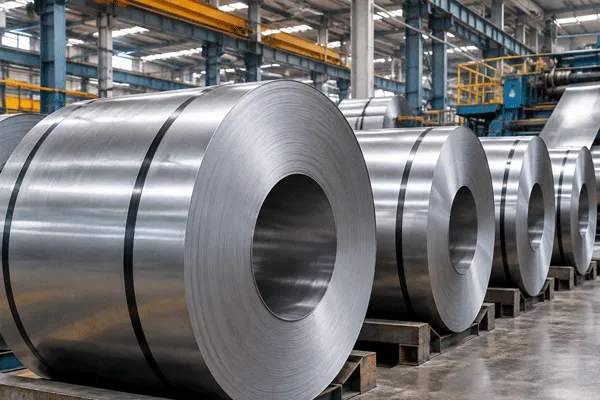
What Are the Disadvantages of Cold Rolled Steel? Complete Guide to Cold Rolled Steel vs Hot Rolled Steel
The production method directly affects the final price.
When making hot rolled steel, manufacturers heat steel above the recrystallization temperature and shape it through a rolling mill.
This process is faster and requires fewer finishing steps.
Cold rolled steel production requires additional processing after hot rolling.
The steel is processed at room temperature, which improves:
However, these improvements require additional equipment and production time.
مقارنة بسيطة:
| العامل | الصلب المدرفل على البارد | الصلب المدرفل على الساخن |
|---|---|---|
| Processing steps | المزيد | Fewer |
| Production cost | أعلى | أدنى |
| Surface quality | Excellent | Basic |
| Precision | High | متوسط |
| Price level | أعلى | أدنى |
For buyers, the correct choice depends on whether performance improvements justify the additional cost.
Although this article focuses on the disadvantages of cold rolled steel, cold rolling also provides many valuable advantages. The reason many manufacturers still choose cold rolled steel is because its performance matches specific industrial requirements.
The main advantages of cold rolling include:
One of the biggest advantages of cold rolling is the improved surface finish.
Because steel is processed through rollers at room temperature, manufacturers can achieve a cleaner and smoother surface compared with traditional hot rolled products.
Cold rolled steel provides:
This makes it suitable for products where appearance is important.
تشمل التطبيقات النموذجية ما يلي:
Compared with hot rolled steel, cold rolled steel provides better visual quality and tighter control of the final dimensions.
Another important advantage is increased strength.
During the cold rolling process, steel undergoes deformation without heating. This changes the microstructure of the steel and increases hardness.
As a result, cold rolled steel often has:
This is why some buyers consider cold rolled steel stronger than hot-rolled steel.
However, higher strength also means the material becomes less flexible.
For applications requiring bending or complex forming, engineers must carefully evaluate the material properties.
The disadvantages of cold rolling are mainly related to production complexity and material behavior.
Because cold rolled steel becomes harder during processing, it may be more difficult to shape.
The increased hardness can make:
Manufacturers using cold rolled steel often need advanced equipment and precise processing methods.
For example, automotive manufacturers require careful control when forming body panels because the material must maintain strength while achieving complex shapes.
Cold rolling creates residual stress inside the material.
When steel is compressed by rollers at room temperature, the deformation is not completely removed.
This may create:
To solve this problem, manufacturers often use annealing processes.
Annealing helps improve:
The comparison of hot rolled steel vs cold rolled steel is one of the most common questions from global steel buyers.
Both materials are valuable, but they serve different purposes.
| مقارنة | الصلب المدرفل على البارد | الصلب المدرفل على الساخن |
|---|---|---|
| Manufacturing method | Additional rolling after hot rolling | Rolling at high temperatures |
| تشطيب السطح | سطح أملس | Rougher surface |
| دقة الأبعاد | Higher tolerance control | Lower precision |
| القوة | قوة أعلى | Good structural strength |
| التكلفة | More expensive | أكثر اقتصادية |
| قابلية التشكيل | More difficult | Easier |
| استخدام شائع | Precision products | Structural applications |
The choice between hot rolled vs cold rolled depends on the final application.
على سبيل المثال:
A steel structure contractor building a warehouse may select hot rolled steel because large structural components require strength and cost efficiency.
A machinery manufacturer producing precision parts may select cold rolled steel because accuracy and surface quality are more important.
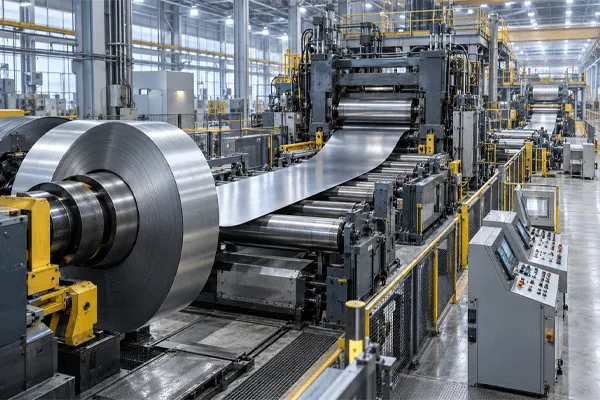
What Are the Disadvantages of Cold Rolled Steel? Complete Guide to Cold Rolled Steel vs Hot Rolled Steel
Cold rolled steel is widely used in industries where precision and appearance matter.
تشمل التطبيقات الشائعة ما يلي:
| الصناعة | التطبيق |
|---|---|
| السيارات | Vehicle panels and components |
| Appliances | Refrigerator and washing machine panels |
| Machinery | Precision parts |
| Electronics | Equipment housings |
| الأثاث | Metal frames |
| التصنيع | Processed steel sheets |
Cold rolled steel products are especially suitable when customers require:
For these applications, the additional cost is often justified by improved performance.
Although cold rolled steel has many benefits, hot rolled steel remains essential for large-scale projects.
The advantages of hot rolled steel include:
Typical applications:
| الصناعة | المنتجات |
|---|---|
| الإنشاءات | Steel structures |
| البنية التحتية | Bridges and supports |
| المباني الصناعية | Frames and beams |
| Heavy machinery | Structural components |
| Energy projects | Large steel sections |
Hot rolling is preferred when the project requires:
The steel production method directly influences the final characteristics of the material.
During production, factors such as:
all affect steel performance.
When making hot rolled steel, steel is heated above the recrystallization temperature before shaping.
This makes the material easier to compress and form.
During cold rolling, steel is processed at room temperature, improving precision but increasing hardness.
Therefore, understanding production methods helps buyers choose the correct steel product.
For international buyers, selecting steel is not only about choosing the material. Choosing the right supplier is equally important.
A reliable steel manufacturer should provide:
Including:
Professional suppliers should support:
Important documents and services include:
Our company provides integrated steel supply solutions for global customers, supporting distributors, importers, contractors, and industrial manufacturers with stable production capacity and customized requirements.
A machinery manufacturer needed steel sheets for equipment covers and precision components.
The customer initially considered hot rolled products because of lower cost.
After reviewing the requirements, we compared both options:
| Requirement | المواد الموصى بها |
|---|---|
| Smooth appearance | الصلب المدلفن على البارد |
| Accurate dimensions | الصلب المدلفن على البارد |
| Heavy structural support | فولاذ مدلفن على الساخن |
| Lower budget | فولاذ مدلفن على الساخن |
The final solution used cold rolled steel for visible precision parts and hot rolled steel for internal structural components.
This approach helped the customer:
This example shows that the best steel solution depends on the application rather than simply choosing the strongest material.
The main disadvantages of cold rolled steel include higher production costs, limited thickness options, reduced flexibility, and more difficult forming compared with hot rolled steel.
يتميز الفولاذ المدرفل على البارد عادةً بقوة شد وصلابة أعلى، لأن عملية الدرفلة على البارد تزيد من قوته عن طريق التشوه. ومع ذلك، قد يكون الفولاذ المدرفل على الساخن أفضل للتطبيقات الإنشائية الثقيلة.
Cold rolled steel requires additional processing after hot rolling, including precision rolling, surface treatment, and quality control, which increases manufacturing costs.
Yes. Cold rolled steel can be welded, but proper welding methods are required because higher strength and internal stress may affect processing performance.
Neither material is universally better. Cold rolled steel is better for precision and appearance, while hot rolled steel is better for large structures and cost-effective projects.
Cold rolled steel is commonly used in automotive, machinery, appliances, electronics, furniture, and precision manufacturing industries.
بالنسبة لشركات البناء والمصنّعين والموزعين ومشتري المشاريع الدوليين، فإن اختيار الشريك المناسب في مجال الفولاذ لا يقل أهمية عن اختيار درجة الفولاذ المناسبة. يمكن للمورّد المحترف المساعدة في تحسين التكلفة والجودة وأداء المشروع على المدى الطويل.
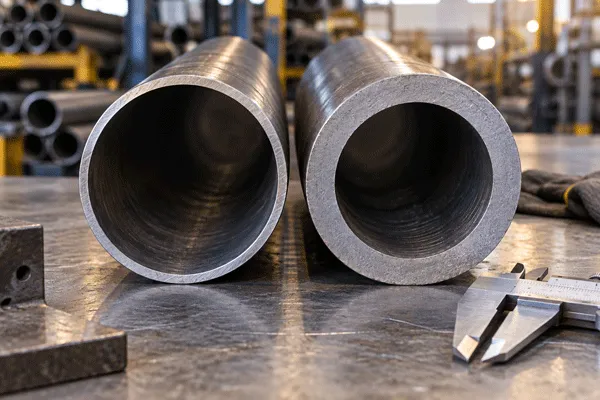
Explore galvanized steel pipe sizes, OD, wall thickness, and schedule 40 charts. Learn how to measure galvanized pipe size and astm a53 specifications.
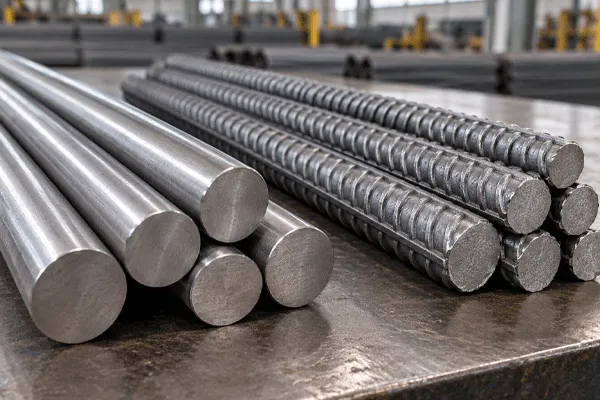
Compare plain round bar and deformed bar in this steel reinforcement guide. Learn which type of steel bar and rebar is best for your construction project.
سنرد عليك في غضون 24 ساعة. إذا كانت الحالة عاجلة، يُرجى إضافة واتساب/وي شات: +86 15066120072,. أو اتصل على +86 15066120072 مباشرة.
*نحن نحترم سريتك وجميع معلوماتك محمية.
لن نستخدم معلوماتك إلا للرد على استفسارك ولن نرسل أبداً رسائل بريد إلكتروني غير مرغوب فيها أو رسائل ترويجية.