







Schedule 40 vs Schedule 80 Steel Pipe: How to Choose the Right Wall Thickness
Explore galvanized steel pipe sizes, OD, wall thickness, and schedule 40 charts. Learn how to measure galvanized pipe size and astm a53 specifications.
10-22 2026

 09-22 2026
By Luyuan Steel Technical Team | Updated September 22, 2026
Round stainless steel bar is solid cylindrical stock used for machined parts, shafts, pins, fittings, valve components and fabricated supports. Buyers should select it by grade, diameter, tolerance, surface condition, length, heat treatment and test documentation because the words “stainless round bar” do not define corrosion or machining performance.
Информационная база: Luyuan’s current product page lists 304, 304L, 316, 316L and 321 round bar, polished finish, +/-1% tolerance, custom length, cutting and bending, and a 1-ton MOQ. Exact diameter range, mechanical properties, price and delivery remain quotation items.

Round stainless steel bar is a solid product with a circular cross-section. It can be supplied in hot-worked, cold-finished, peeled, ground or polished conditions depending on the producer and specification. The surface condition affects dimensional control, stock allowance and the preparation needed before machining or finishing.
Round bar is not stainless steel pipe. Pipe is hollow and selected partly by outside diameter and wall thickness; bar is solid and purchased by diameter, length, mass and material condition. Confusing the two can produce an unusable quotation.
| Grade | Procurement distinction | Common selection context | Check before ordering |
|---|---|---|---|
| 304 | General 300-series austenitic grade | Machined parts, supports, shafts and general fabrication | Confirm exposure, strength condition and machining allowance |
| 304L | Lower-carbon version of 304 | Fabricated parts where welding is part of the process | Do not assume 304 and 304L are interchangeable without design approval |
| 316 | Molybdenum-bearing grade with improved resistance in many chloride exposures compared with 304 | Process equipment, fittings and components exposed to more demanding environments | Define chloride level, temperature, cleaning chemicals and crevice conditions |
| 316L | Lower-carbon version of 316 | Welded or fabricated components requiring the 316 family | Verify the governing material specification and required test values |
| 321 | Titanium-stabilized austenitic grade | Selected high-temperature and welded-service applications | Confirm design temperature, condition and applicable code |
This table supports shortlisting, not final material selection. Corrosion performance depends on concentration, temperature, aeration, deposits, surface finish and fabrication details. The responsible engineer should approve the grade for the actual service.
Luyuan’s current Stainless Steel Bar page publishes the following product data:
The page does not publish a diameter range, straightness value, ovality limit, mechanical-property table, heat-treatment condition or unit price. Those points must be confirmed in the quotation and material schedule. Writing a diameter into an order without a tolerance basis is not sufficient.

304 is widely used for general fabrication and indoor or moderate environments, while 316 is often considered where chloride exposure is more demanding. That comparison has limits. Neither grade should be described as universally corrosion-proof, and 316 can still pit or suffer crevice corrosion under unfavorable chloride, temperature or deposit conditions.
Low-carbon 304L and 316L are commonly considered when welding is involved. The “L” designation does not remove the need for a qualified welding procedure, suitable filler, cleaning and passivation where specified. Grade 321 addresses a different design problem and should not be substituted merely because it is part of the same 300-series family.
Austenitic stainless grades tend to work-harden during machining. Tool condition, feed, speed, coolant, setup rigidity and stock allowance affect productivity and surface quality. Buyers do not need to dictate a machine shop’s process, but they should define the finished geometry, tolerance, surface requirement and inspection method.
Compared with carbon-steel bar, stainless round bar can require different cutting and machining practice, but it may eliminate a separate protective coating in suitable environments. The trade-off is material cost and shop time. Compare finished-part cost rather than raw price per ton alone.
| Application | Priority checks | Common procurement risk |
|---|---|---|
| Shafts and pins | Diameter, straightness, surface, mechanical condition | Buying polished bar without enough machining allowance |
| Valve components | Grade, corrosion environment, traceability, machining drawing | Treating a general valve-use label as code compliance |
| Fastener or fitting blanks | Grade, cut length, end condition, lot consistency | Ignoring burr removal and downstream forming needs |
| Food or process equipment parts | Grade, finish, cleaning regime, crevice design | Assuming grade alone guarantees hygienic performance |
| Fabricated supports | Weldability, length, bending, joint detail | Substituting 304 for 304L or 316 for 316L without approval |
ASTM International publishes ASTM A276/A276M-25, Standard Specification for Stainless Steel Bars and Shapes. A purchase order using this standard should state the edition, grade, dimensions, condition, supplementary requirements and inspection documents. Other projects may use different ASTM, EN, JIS or national standards; the applicable system must be named rather than implied.
Request a Mill Test Certificate tied to heat numbers and bundle markings. Luyuan’s published quality references include English MTC supply, batch traceability, chemical and mechanical testing, surface inspection and acceptance of buyer-appointed or third-party inspection. The order should say which records are required before shipment.
The source library does not provide a verified public price range specifically for stainless steel round bar, so the correct price statement is Price on Request. Grade, diameter, supplied condition, finish, tolerance, cut plan, total tonnage, inspection, packing, Incoterm and destination all affect the quote.
Luyuan’s product page lists a 1-ton MOQ. A buyer needing many short blanks should send the finished cut list, not only the total mass. Cutting loss, remnants, end finishing, marking and bundle segregation can change the delivered cost.

One edge case deserves attention: a bar can pass chemistry verification yet still be unsuitable because its supplied condition, straightness, surface defects or dimensional tolerance does not support the machining plan. Material identity is necessary, but it is not the entire acceptance specification.
Review the Luyuan Stainless Steel Bar product page, compare the broader stainless steel product range, examine industrial use categories on the manufacturing solutions page, and send the completed material schedule through the contact page.
The Luyuan Steel Technical Team represents the company’s published experience in steel manufacturing, processing, quality control, specification support and international project supply.
Q: Which grades of round stainless steel bar does Luyuan list?
A: The current product page lists 304, 304L, 316, 316L and 321. Confirm diameter, condition, mechanical requirements and availability for the order.
Q: Is 316 stainless round bar always better than 304?
A: No. 316 offers improved resistance in many chloride exposures, but selection depends on service chemistry, temperature, fabrication, design and cost. The engineer should approve the grade.
Q: What tolerance does Luyuan publish?
A: The product page lists +/-1%. Buyers should confirm what dimension this applies to and add diameter, length, straightness and other acceptance limits required by the drawing.
Q: What is the price of round stainless steel bar?
A: Price is on request. Send the grade, diameter, tolerance, condition, finish, cut plan, tonnage, inspection, Incoterm and destination for a comparable quote.
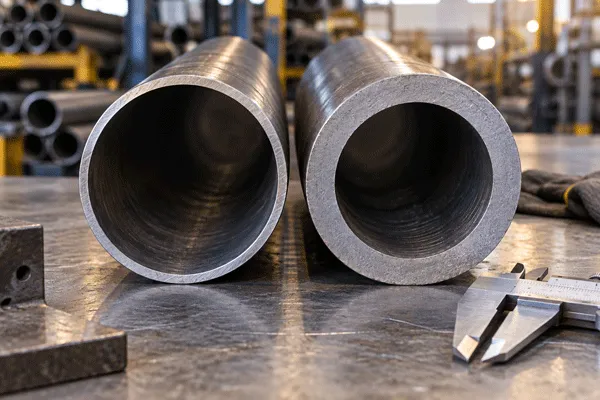
Explore galvanized steel pipe sizes, OD, wall thickness, and schedule 40 charts. Learn how to measure galvanized pipe size and astm a53 specifications.
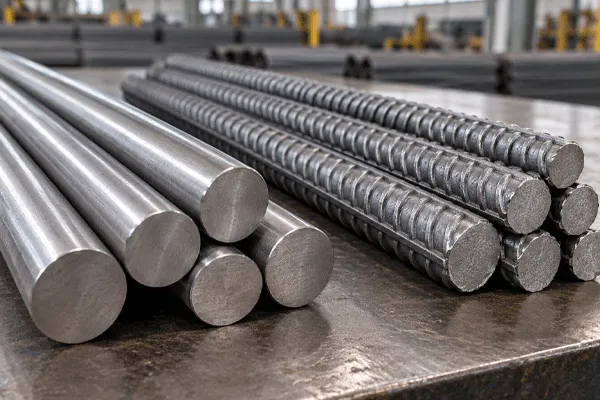
Compare plain round bar and deformed bar in this steel reinforcement guide. Learn which type of steel bar and rebar is best for your construction project.
We will reply you within 24 hours. If for urgent case, please add WhatsApp/WeChat: +86 15066120072,. Or call +86 15066120072 directly.
*We respect your confidentiality and all information are protected.
We will only use your information to respond to your inquiry and will never send unsolicited emails or promotional messages.