







Schedule 40 vs Schedule 80 Steel Pipe: How to Choose the Right Wall Thickness
Explore galvanized steel pipe sizes, OD, wall thickness, and schedule 40 charts. Learn how to measure galvanized pipe size and astm a53 specifications.
10-22 2026

 09-23 2026
قد يؤدي اختيار المادة الخاطئة إلى تشقق مواضع الثني، أو عدم تجانس الطلاء، أو إنتاج قطع غير متطابقة. وتزيد هذه المشكلات من الخردة وتؤخر الإنتاج. تساعدك معرفة كيفية تأثير المعالجة على الساخن والبارد في طلبك على اختيار الدرجة والتشطيب والأبعاد المناسبة قبل تراكم التكاليف.
الفرق الرئيسي بين الصلب المدرفل على الساخن والصلب المدرفل على البارد is how they are processed. Hot rolled steel is shaped above its recrystallization temperature. الصلب المدلفن على البارد فيخضع لمزيد من خفض السُمك دون درجة الحرارة تلك، وعادةً عند درجة حرارة قريبة من درجة حرارة الغرفة. ويؤدي ذلك عمومًا إلى تحسين جودة السطح ودقة التحكم في الأبعاد. ومع ذلك، تعتمد المقاومة النهائية وقابلية التشكيل على الرتبة وحالة التسليم، بما في ذلك ما إذا كانت المادة قد خضعت للتخمير.
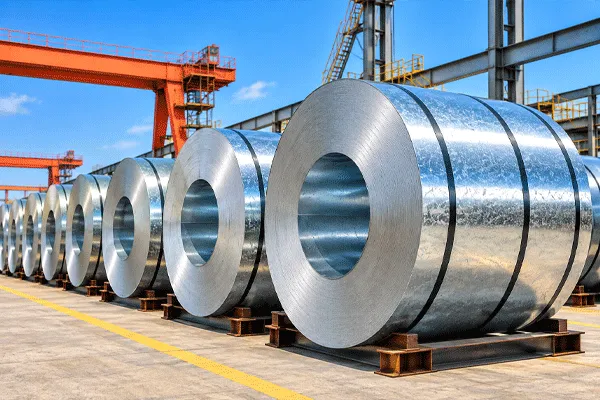
الفولاذ المدرفل على الساخن مقابل الفولاذ المدرفل على البارد: ما الفرق؟
الصلب هو العائلة العامة للمواد. أما الصلب المدرفل على البارد فهو منتج ضمن هذه العائلة، وتحدده طريقة معالجته. لذا، فإن السؤال عن «الصلب و الصلب المدلفن على البارد” تقارن بين فئة عامة وأحد أشكالها. بالنسبة لمعظم مشتري الصفائح واللفائف، تكون المقارنة المفيدة بين المواد الموردة من مصنع شرائح الدرفلة على الساخن والمواد التي تخضع لمزيد من التخفيض بالدرفلة على البارد.
لا يحدد مسار الدرفلة نوع السبيكة ولا يضمن أداءها. فعلى سبيل المثال، يتوفر الفولاذ الكربوني في درجات عديدة ذات حدود كيميائية وخواص ميكانيكية مختلفة. ويتطلب أمر الشراء أكثر من مجرد تسمية للعملية؛ إذ ينبغي أن يحدد الدرجة والأبعاد والحالة والاستخدام المقصود. ويشرح العرض العام للمواد الصادر عن الرابطة العالمية للصلب العائلة الأوسع والأشكال العديدة المتاحة بعد الصب والدرفلة.
بصفتنا شركة مصنِّعة ومورِّدة متكاملة في الصين، نبدأ بتحديد الوظيفة المطلوبة من قطعتك النهائية. هل ستلحم إطارًا، أم تكبس غطاءً، أم تشكّل لوح سقف؟ تساعد الإجابة عن ذلك في تحديد نوع الفولاذ المطلوب وخطوات المعالجة اللاحقة. يركّز هذا الدليل بصورة أساسية على الصفائح المسطحة واللفائف؛ أما القضبان والكمرات والأنابيب، فلكل منها متطلبات منتجات خاصة بها.
الفولاذ المدرفل على الساخن هو فولاذ يُشكَّل بينما تكون حرارته مرتفعة بما يكفي لإحداث تشوه كبير فوق نطاق إعادة التبلور ذي الصلة. تمر بلاطة عبر سلسلة من الدرافيل التي تقلل سماكتها. ويطبّق كل درفيل ضغطًا، بينما تسهّل درجة الحرارة المرتفعة عملية التشوه. تتيح هذه الطريقة إنتاج كميات كبيرة ومجموعة واسعة من المنتجات الصناعية.
بعد تقليل السُمك، يخضع الشريط لتبريد ولفّ محكومين. ومن المضلل وصف كل منتج بأنه يُترك ببساطة ليبرد في درجة حرارة الغرفة. تؤثر جداول التبريد في الخصائص النهائية، وتختارها المصانع بما يناسب المنتج. كما يعني الانكماش الحراري ضرورة تقييم الأبعاد في الحالة النهائية. اطلب وفقًا لمتطلبات الأبعاد المنطبقة، لا بناءً على توقع عام للدقة.
عادةً ما تكون المواد غير المُخللة مغطاة بقشور أكسيد داكنة. وقد يكون هذا السطح مقبولًا لبعض أعمال التصنيع، لكنه يحتاج إلى معالجة قبل بعض عمليات التشطيب. تزيل عملية التخليل القشور وتوفر خيار توريد مختلفًا. وتميز أوصاف منتجات الرابطة العالمية للصلب بين اللفائف العادية والمُخللة، وكذلك بين الألواح والمقاطع الإنشائية.
الصلب المدلفن على البارد هو في الأساس مادة أولية مدرفلة على الساخن تخضع لمزيد من خفض السُمك بعد إزالة القشور السطحية. تحدث الدرفلة على البارد عند درجة حرارة أدنى من نطاق إعادة تبلور المادة، وغالبًا ما تكون قريبة من درجة حرارة الغرفة. يشير المصطلح إلى مرحلة خفض السُمك؛ ولا يعني أن مسار الإنتاج بأكمله لا يتضمن استخدام الحرارة. كما يمكن للاحتكاك والتشوه أن يؤديا إلى ارتفاع حرارة الشريط أثناء المعالجة.
The cold rolling process changes both dimensions and material condition. Depending on the required product, the route may include annealing and a light finishing pass. Annealing helps restore the ability to form and bend after heavy reduction. SSAB’s cold-reduced coil process documentation shows pickling, reduction, annealing, and tempering within its manufacturing routes.
يكتسب هذا التمييز أهمية عند الطلب. فقد تتصرف المواد الأولية كاملة الصلادة والصفائح الملدنة بصورة مختلفة جدًا في المكبس، حتى عندما يتطابق سُمكها الاسمي. نطلب من المشترين تحديد حالة التسليم إلى جانب الدرجة. إذا كنت تحتاج إلى سحب عميق أو ثنيات ضيقة، فشارك الرسم وتسلسل التشكيل قبل اعتماد بديل.
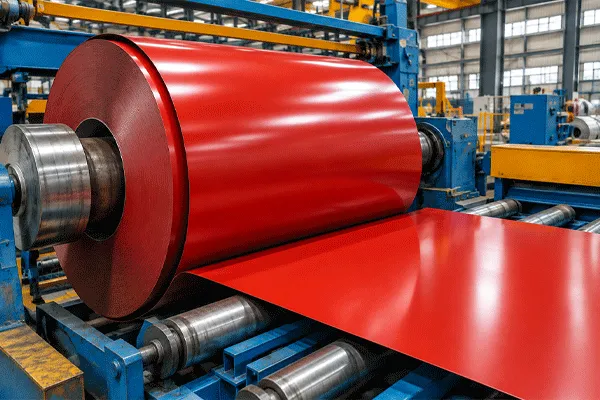
الفولاذ المدرفل على الساخن مقابل الفولاذ المدرفل على البارد: ما الفرق؟
عند الشراء، تتعلق الفروق الأكثر أهمية بالسطح والأبعاد وسلوك التشكيل والتكلفة الإجمالية للإنتاج. يقدم الجدول أدناه مقارنة عامة للمنتجات المسطحة الشائعة غير المطلية. وهو نقطة انطلاق للنقاش، وليس بديلًا عن ورقة بيانات خاصة بدرجة معينة أو معايير فحص متفق عليها.
| عامل الشراء | فولاذ مدلفن على الساخن | الصلب المدلفن على البارد |
|---|---|---|
| مسار المعالجة | تقليل السُمك عند درجة حرارة مرتفعة | تُخفَّض سماكته أكثر تحت نطاق إعادة التبلور |
| Typical appearance | Dark scale unless removed | مظهر أنظف وأكثر تجانسًا |
| التحكم في الأبعاد | Depends on product and ordered limits | يُختار عادةً للتحكم بدقة أكبر في السُمك |
| القوة | يعتمد على الدرجة والمعالجة | Depends on grade, reduction, and final condition |
| سلوك التشكيل | Grade and thickness dependent | يتأثر بشدة بالتلدين والمراجعة الحرارية |
| أولوية الشراء الشائعة | التصنيع، وحجم المقطع، والقيمة | صفائح رقيقة، ملاءمة قابلة للتكرار، مظهر |
| تكلفة المادة الأساسية | Often lower for comparable products | غالبًا ما تكون أعلى بسبب المعالجة الإضافية |
| الحماية من التآكل | يتطلب نظام حماية مناسبًا | Also requires a suitable protection system |
لا يضمن أيٌّ من مساري الدرفلة الحصول على جزء نهائي أفضل. فالمكوّن الإنشائي السميك والغطاء الرقيق المطلي يحلان مشكلات مختلفة. وقد تؤدي مقارنتهما بناءً على المظهر فقط أو السعر لكل طن إلى قرار خاطئ. طابق المنتج مع متطلبات الحمل وطريقة التشكيل والتعرّض ومعايير القبول.
تحتاج عبارة «الفولاذ المدرفل على البارد أقوى» إلى توضيح. فقد يزيد التشغيل على البارد من القوة والصلادة من خلال التصلد الانفعالي. إلا أن التلدين اللاحق يغيّر هذه الحالة. لذلك، قد تتجاوز درجة إنشائية عالية القوة من مطحنة الشرائط الساخنة قوةَ صفائح السحب اللينة المصنَّعة بالاختزال على البارد. ويوضح مسرد المعهد الأمريكي للحديد والصلب التشغيل على البارد ودور التلدين في استعادة قابلية التشكيل.
For a useful comparison, check yield strength, tensile strength, and elongation for the exact grades and delivery conditions. Yield strength relates to permanent deformation; tensile strength describes the maximum stress reached in a tensile test; elongation helps describe ductility. None of these values should be guessed from surface appearance. Also consider internal stress when flat blanks will be cut into narrow or complex shapes.
If your supplier proposes an alternative, ask for a documented property comparison. Have the responsible designer confirm it where the part carries a defined load. We can support material selection with MTC documents and inspection coordination, but a generic label such as “higher strength” is not enough to approve a material change.
Cold rolled steel has a smoother surface in many common sheet applications, making it a practical starting point for visible panels. However, “smooth” needs a shared meaning. A painted cabinet face, an internal bracket, and a plated component may require different roughness, cleanliness, and defect limits. BlueScope’s product datasheet library includes both cold-reduced drawing products for exposed applications and pickled hot-strip products with improved surfaces.
Dimensional tolerance also needs detail. State the limits for thickness, width, length, flatness, and squareness where relevant. A nominal dimension alone does not define an acceptable delivery. For slit strip, add edge condition and camber requirements. For cut sheets, tell us whether the blanks go straight into a press, laser cutter, or assembly fixture.
Here is an illustrative example, not a customer case study: a cabinet maker needs thin blanks for visible doors and heavier blanks for concealed bases. The doors may justify tighter flatness and appearance requirements; the bases may allow a less demanding finish. Separating those requirements can avoid paying for unnecessary processing while protecting the quality that customers see.
Use hot rolled steel when the specified grade, thickness, and surface condition suit the component. Common hot rolled steel applications include fabricated frames, base plates, and feedstock for certain welded products. Heavy components often benefit from the sizes available through this route. Structural, pipeline, and pressure-service uses still require the correct product specifications and project approvals.
Use cold rolled steel when thin material, consistent appearance, or close dimensional control supports the manufacturing process. Suitable grades serve cabinets, appliance panels, metal furniture, and formed parts. Cold rolled steel is ideal for some visible sheet components, but only when its condition matches the bending or drawing operation. Full-hard material is not interchangeable with soft drawing sheet.
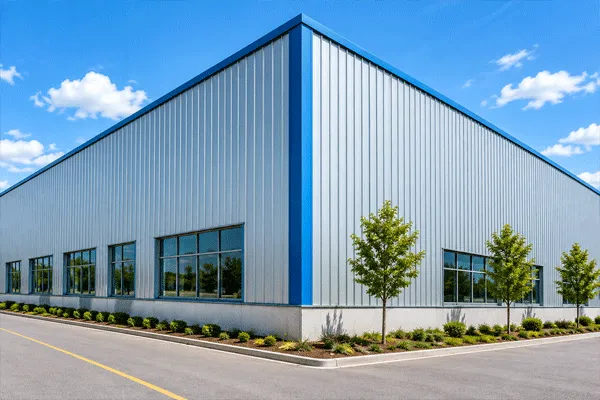
For roofing, wall cladding, and agricultural buildings, buyers often need coated products instead of bare sheet. We also supply galvanized, galvalume, PPGI, and PPGL materials. Specify the coating system, coating weight, paint requirements, and exposure conditions separately. The underlying rolling route alone does not establish weather resistance or expected service life.
Hot rolled material is often cheaper than cold rolled steel when comparing similar grades and dimensions. However, there is no fixed price gap that applies to every order. Availability, thickness, width, finish, volume, and delivery terms all affect a quotation. Compare offers issued for the same scope and validity period before deciding which is better value.
A lower purchase price may be offset by scale removal, extra finishing, scrap, or slower production. Equally, paying for a premium surface offers little benefit if the part is hidden and the specification permits a simpler finish. Our preferred comparison is cost per acceptable finished part, including the work needed after the shipment reaches your factory.
For a purely illustrative calculation, suppose a more processed material costs an extra $60 per tonne but saves $85 per tonne in verified preparation and scrap costs. The net saving would be $25 per tonne. These figures are not market prices or promised results. Use your own trial data, then add packing, freight, duties, and local handling on a consistent basis.
A detailed inquiry helps us quote an appropriate product and reduces repeated questions. Start with the drawing or end use, then identify the grade and acceptance limits. If you have only a reference sample, explain which features must match. We can discuss supply options, but any proposed equivalent should be reviewed before it enters production.
Include these details in your request:
We provide production, processing, customization, and export support for international distributors, fabricators, contractors, and manufacturers. Our range also includes plates, pipes, sections, stainless products, aluminum, and copper materials. Send your specification and quantity for a tailored quotation. We can review OEM/ODM requirements, packing, and logistics together so the proposed supply fits your production plan.
Yes. Bare products made from ordinary carbon grades can rust when exposed to moisture. A smoother surface is not a protective coating. Select suitable storage, temporary protection, and a final coating system for the environment. Oiling can support storage protection but does not replace durable outdoor protection.
Many grades from both routes are weldable. Suitability depends on chemistry, thickness, condition, and the welding procedure. Clean the joint area and assess distortion control. For specified structural or pressure work, follow the project’s approved procedures and material requirements rather than relying on the rolling label.
It is generally not the default choice. Heavy cold reduction limits ductility, while deep drawing needs material that can deform without cracking. Request a suitable drawing grade and delivery condition. Confirm the proposed material through forming trials when the shape or production process makes performance uncertain.
No. Pickling removes surface oxides; it does not perform the extra thickness reduction that defines cold-reduced strip. Pickled and oiled feedstock can be useful when you need a cleaner surface without specifying the full cold-reduction route. Its ordered properties still need to meet the application.
Not automatically. Equal thickness does not guarantee equal strength, bend performance, flatness, surface quality, or behavior during cutting. Compare the full specification and confirm the change with the responsible design or quality team. A sample trial can help check fit, finish, and processing before a bulk order.
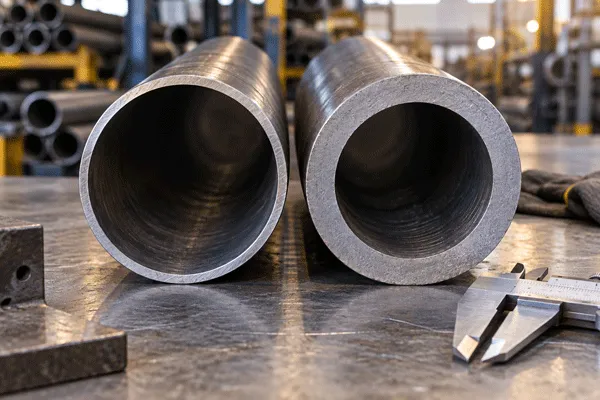
Explore galvanized steel pipe sizes, OD, wall thickness, and schedule 40 charts. Learn how to measure galvanized pipe size and astm a53 specifications.
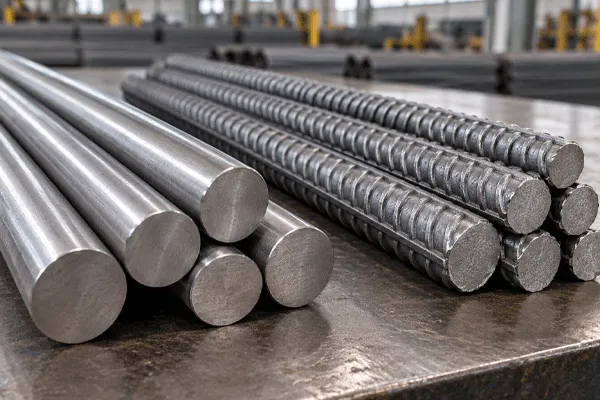
Compare plain round bar and deformed bar in this steel reinforcement guide. Learn which type of steel bar and rebar is best for your construction project.
سنرد عليك في غضون 24 ساعة. إذا كانت الحالة عاجلة، يُرجى إضافة واتساب/وي شات: +86 15066120072,. أو اتصل على +86 15066120072 مباشرة.
*نحن نحترم سريتك وجميع معلوماتك محمية.
لن نستخدم معلوماتك إلا للرد على استفسارك ولن نرسل أبداً رسائل بريد إلكتروني غير مرغوب فيها أو رسائل ترويجية.