







H Beam 200 Dimensions: HEA 200 vs HEB 200 vs HEM 200 Size & Weight Guide
Compare H beam 200 dimensions and weights. Explore structural steel sizes for HEA 200, HEB 200, and HEM 200 in this complete beam guide.
11-06 2026

 11-05 2026
Choosing the wrong galvanized coil can cause production delays, uneven forming, coating damage, and unnecessary material waste. For steel fabricators, the challenge is not simply finding a low price. It is finding a supply partner that understands downstream processing and can deliver consistent material.
Galvanizli çelik rulo suppliers provide zinc-coated steel in continuous rolled form for slitting, cutting, roll forming, roofing, ductwork, automotive components, and industrial fabrication. The right supplier should match steel grade, thickness, width, zinc coating, coil weight, and surface finish to the buyer’s production requirements while supporting inspection, customization, and reliable export delivery.
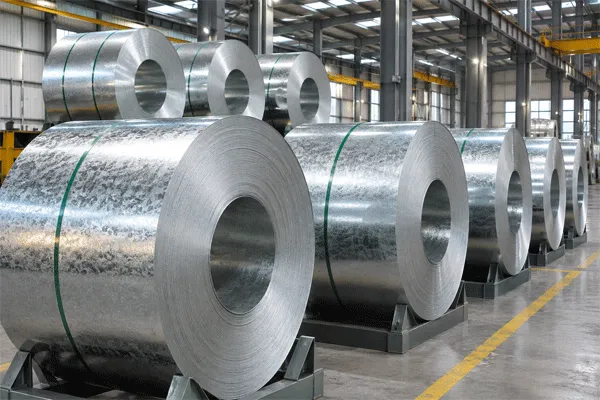
Galvanized Steel Coil Suppliers for Fabricators: How to Source Coils for Slitting, Roofing & OEM Production
Why do fabricators need a specialized galvanized steel coil supplier?
How does galvanized steel coil move through a fabrication line?
Which steel grades and base materials are suitable for processing?
How should buyers select zinc coating for different applications?
How do coil width, thickness, and weight affect production?
What processing services should a coil supplier provide?
How can buyers protect galvanized coating during fabrication?
Which industries use galvanized metal coils?
How should buyers evaluate galvanized steel coil manufacturers?
What should a B2B galvanized steel coil RFQ include?
For a steel fabricator, raw material quality directly affects production efficiency. A coil with inconsistent thickness, unsuitable mechanical properties, uneven zinc coating, or poor surface condition can create problems during slitting, bending, punching, and roll forming.
This is why selecting a supplier requires more than comparing quotations. A reliable supply partner should understand how the material will be processed after delivery. For example, a roofing sheet manufacturer needs stable thickness and forming performance, while an automotive parts producer may require tighter dimensional control and specific mechanical properties.
A suitable galvanizli çelik bobin should match the following production factors:
Steel grade and mechanical properties.
Base metal thickness and tolerance.
Coil width and slit width requirements.
Zinc coating designation.
Surface finish and treatment.
Coil inner diameter and weight.
Downstream processing method.
Inspection and documentation requirements.
The zinc layer helps protect steel from corrosion through barrier and sacrificial protection. However, the actual performance depends on coating condition, environment, and fabrication quality.
For fabricators, the best purchasing decision is therefore based on the total production result, not simply the price per ton.
A galvanized coil is supplied as continuous flat rolled steel with a zinc-protected surface. Unlike individual sheets, coil products allow manufacturers to feed material directly into automated production equipment.
This improves production continuity and allows buyers to control the final dimensions of their products.
A typical processing workflow looks like this:
Galvanized Steel Coil
        ↓
Uncoiling
        ↓
Leveling and Straightening
        ↓
Slitting or Cut-to-Length
        ↓
Punching / Bending / Forming
        ↓
Inspection
        ↓
Finished Steel Components
Depending on the application, the material may be processed into slit coils, flat blanks, roofing panels, structural components, or other steel products.
| Processing Method | Finished Product | Typical Buyer |
|---|---|---|
| Şerit kesme | Narrow steel strips | Steel service centers |
| Cut-to-length | Flat galvanized sheets | Fabricators |
| Roll forming | Roofing and wall panels | Roofing manufacturers |
| Bükme | Channels and brackets | Construction manufacturers |
| Delme | Perforated components | Industrial manufacturers |
| Tube forming | Steel tubing | Pipe and tube producers |
For example, a manufacturer producing metal roofing may purchase a master coil, slit it to the required width, and feed the material into a roll-forming line.
This is different from purchasing ready-made coils and sheets for direct use. The buyer needs a product that matches the entire production process.
Steel grade is one of the first things buyers should confirm. Different grades offer different levels of strength, ductility, and forming performance.
For general commercial applications, common galvanized steel grades include:
| Çelik Kalitesi | General Characteristics | Typical Applications |
|---|---|---|
| DX51D | Commercial forming grade | General fabrication and roofing |
| DX52D | Improved forming capability | Bending and forming |
| DX53D | Deep-drawing grade | More demanding forming |
| SGCC | Commercial galvanized steel grade | General manufacturing |
| S220GD | Structural grade | Light structural applications |
| S350GD | Higher-strength structural grade | Structural components |
These grades are not interchangeable. Buyers should confirm the applicable standard and mechanical requirements before ordering.
The substrate route also matters. Galvanized material can use a cold-rolled or hot-rolled base, depending on the product specification and intended application. A cold rolled substrate is often selected where surface quality and dimensional control are important, while other substrate routes may suit different structural or industrial requirements.
ASTM A653/A653M-25 a covers hot-dip zinc-coated steel sheet in coils and cut lengths, with commercial, forming, structural, and other steel designations.
GI Coil for Roofing & Panels The important point is to select the grade according to the finished component rather than choosing solely by a familiar material name.
Zinc coating is the main protective layer on galvanized steel. It helps prevent moisture and other environmental factors from attacking the underlying steel.
During hot-dip galvanizing, the steel strip passes through a bath of molten zinc. The production line controls the coating applied to the surface before the material is cooled and recoiled.
Different applications need different coating requirements.
| Çinko Kaplama | General Purchasing Consideration |
|---|---|
| Z40–Z60 | Certain light-duty or indoor applications |
| Z80–Z100 | General manufacturing requirements |
| Z120–Z180 | Common construction and fabrication requirements |
| Z200–Z275 | Applications requiring higher zinc coating mass |
These are indicative selection references, not universal application limits. The appropriate designation depends on the applicable standard, environment, material thickness, and expected service conditions.
Buyers should also clarify whether the coating designation represents the total coating mass on both sides, as specified by the applicable standard.
Do not assume that a higher zinc coating automatically makes every product suitable for every environment. Storage, cut edges, drainage, forming damage, and exposure conditions also influence performance.
Dimensions are directly connected to manufacturing efficiency.
A coil that does not fit the buyer’s production equipment may require additional processing, create more waste, or cause production interruptions. This is especially important for fabricators operating automated lines.
The main dimensions to confirm include:
Thickness: Determines material weight, stiffness, forming behavior, and finished component requirements.
Width: Must match the slitting machine, roll-forming line, or final product dimensions.
Inner diameter (ID): Must be compatible with the uncoiler mandrel.
Outer diameter (OD): Must fit the available handling and storage equipment.
Coil weight: Should match lifting capacity, production equipment, and transportation limits.
Consider the following illustrative RFQ:
| Teknik Özellikler | Example Requirement |
|---|---|
| Ürün | Hot-dipped galvanized steel coil |
| Kalite | DX51D |
| Standart | ASTM A653/A653M |
| Kalınlık | 0.50 mm |
| Genişlik | 1,250 mm |
| Çinko kaplama | Z120 |
| Inner diameter | 508 mm |
| Coil weight | 3–5 MT |
| Yüzey | Normal çiçeklenme |
| İşlem | Skin-passed, non-oiled |
This is an example for quotation planning, not a universal production specification.
A fabricator should also consider the actual finished width after slitting and forming. For example, roofing panel effective coverage may differ from the original strip width because of the panel profile.
Correct dimensional planning helps reduce trimming waste, improve material utilization, and maintain a stable production schedule.
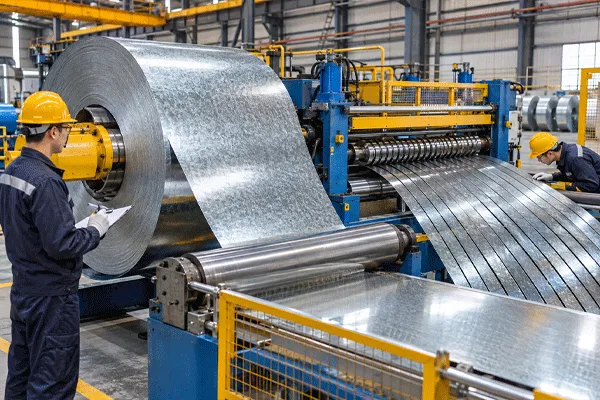
Galvanized Steel Coil Suppliers for Fabricators: How to Source Coils for Slitting, Roofing & OEM Production
For international buyers, processing capability can be as important as the original material itself.
A professional coil supplier should be able to coordinate the required material and downstream processing instead of leaving the buyer to arrange every step separately.
Common services include:
Steel slitting: Dividing master coils into narrower strips.
Cut-to-length: Producing flat sheets in specified lengths.
Leveling: Improving flatness before further processing.
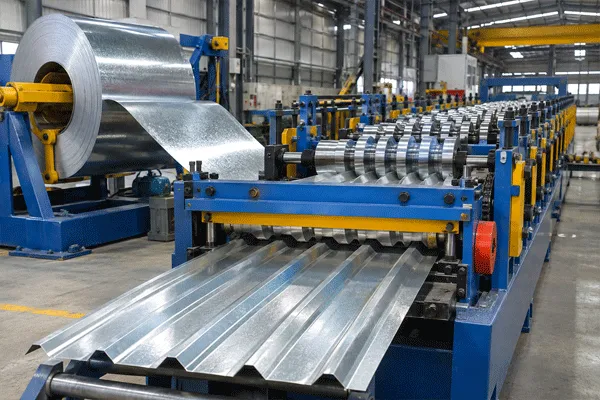
Roll forming: Producing roofing, cladding, and structural profiles.
Custom packaging: Preparing coils for safe transportation.
OEM/ODM processing: Matching product specifications to customer requirements.
For a manufacturer producing ductwork, for example, the required coil width and surface condition may differ from those needed for metal roofing.
Similarly, a company making brackets, cabinets, or industrial enclosures may need smaller slit widths and specific forming properties.
Luyuan’s service offering includes customized thickness, width, zinc coating weight, cutting, slitting, and profiling. The company also supports project-specific specifications and OEM processing
For buyers working with several materials, an integrated steel company can also coordinate other products within the same procurement plan, including steel and aluminum materials.
This can simplify purchasing and help reduce the number of separate supply arrangements.
Galvanized steel is designed to resist corrosion, but its protective layer still needs proper handling.
Cutting, bending, punching, and welding can affect the zinc-coated surface. Poor storage can also lead to moisture-related staining, particularly when coils remain tightly packed in damp conditions.
To reduce these risks, manufacturers should establish clear handling and processing rules.
During slitting and cutting:
Use suitable tooling and maintain cutting equipment.
Control burrs and edge deformation.
Inspect the slit edge and surface condition.
Keep finished strips dry and clean.
During bending and forming:
Match the material grade to the required forming radius.
Avoid excessive deformation.
Check for coating cracks or surface damage.
Test sample material before full production when necessary.
During welding:
Use an appropriate qualified welding procedure.
Follow applicable safety controls for zinc-containing coatings and welding fumes.
Inspect and protect exposed areas according to the project requirements.
During storage:
Keep coils in a dry, ventilated area.
Prevent direct contact with standing water.
Use suitable protective packaging.
Avoid unnecessary handling that can damage edges.
Zinc can provide sacrificial protection to small exposed areas, but this does not mean that extensive coating damage can be ignored.
Proper handling helps maintain the quality of the finished component and reduces unnecessary rework.
Galvanized steel is used across various industries because it combines the mechanical properties of steel with zinc-based surface protection.
Different buyers use the material in different ways.
Construction and Metal Roofing
Roofing sheets, wall cladding, ceiling panels, building components, and light structural fabrication.
Automotive Industry
Selected body components, brackets, reinforcements, and other formed parts, according to grade and specification.
HVAC and Ventilation
Ductwork, ventilation channels, equipment housings, and related sheet metal components.
Electrical enclosures, storage systems, equipment covers, brackets, and machine components.
Agriculture and Warehousing
Storage facilities, equipment shelters, agricultural buildings, and selected greenhouse components.
Galvanized coil can also serve as a starting material for steel tubing and other fabricated products. In some applications, a fabricator may choose between galvanized material, Galvalume, or another coated steel according to the required environment and manufacturing process.
The right product depends on the final component, not simply the industry name.
Not all companies offering galvanized material have the same capabilities.
Some are primarily traders. Others operate processing facilities, maintain inventory, work with established steel mills, or provide integrated export services.
When comparing galvanized steel coil manufacturers, buyers should evaluate the following areas:
| Evaluation Factor | What to Verify |
|---|---|
| Production and sourcing | Own production, processing facilities, and mill partnerships |
| Product range | Grades, thicknesses, widths, and coating options |
| Quality control | Inspection procedures and testing records |
| İşleme | Slitting, cutting, and profiling |
| Traceability | Coil identification and MTC |
| Customization | OEM/ODM and project specifications |
| Export experience | Packaging, documentation, and logistics |
| Teslimat | Production planning and shipment coordination |
A large steel corporation may have extensive production resources, while an integrated steel company may offer more flexible sourcing and processing arrangements. Buyers should evaluate the actual capabilities rather than rely on company size or marketing descriptions.
At Luyuan Steel, our business model combines our own color-coated steel production and processing plant with long-term partnerships with major Chinese steel mills. We also maintain stock and support customized and OEM/ODM orders.
For galvanized steel procurement, we provide product options through our GI coil range and coordinate processing and supply requirements according to confirmed orders.
Our quality and export services include:
English Mill Test Certificates.
Chemical composition and mechanical property documentation.
Third-party inspection through agencies such as SGS and BV.
Customized dimensions and coating requirements.
Waterproof paper, steel edge protectors, and steel strapping for export packing.
International shipping coordination.
These services are particularly important for importers who need consistent supply and reliable documentation across repeat orders.
Galvanized Steel Coil Suppliers for Fabricators: How to Source Coils for Slitting, Roofing & OEM Production
A clear request for quotation helps prevent misunderstandings between buyers and suppliers.
Instead of asking only for the price of a galvanized coil, provide the complete technical and commercial requirements.
Use this checklist when preparing an inquiry:
| RFQ Information | Required Details |
|---|---|
| Ürün | Galvanizli çelik rulo |
| Steel grade | DX51D, SGCC, or specified grade |
| Standart | ASTM, EN, JIS, or other requirement |
| Kalınlık | Required thickness and tolerance |
| Genişlik | Full width or slit width |
| Çinko kaplama | Z designation or coating mass |
| Yüzey | Regular, minimized, or zero spangle |
| İşlem | Oiled, non-oiled, passivated, etc. |
| Rulo İç Çapı | 508 mm, 610 mm, or other |
| Coil weight | Required weight per coil |
| Quantity | Total order tonnage |
| İşleme | Slitting, cutting, profiling |
| Muayene | Mill inspection or third-party inspection |
| Documents | MTC and export documentation |
| Teslimat | Destination port and Incoterm |
For international trade, also confirm payment terms, production lead time, packing method, loading arrangements, and shipment schedule.
If you need competitive prices and fast shipping, make sure all quotations use the same technical specifications and delivery terms. Otherwise, a lower quotation may simply represent a different product.
For an eco-friendly procurement strategy, buyers should also request verified environmental or recycled-content information rather than assume that every galvanized product has the same environmental profile.
A complete inquiry allows a steel producer or trading partner to evaluate the order accurately and provide a more useful quotation.
A galvanized steel coil is supplied in continuous rolled form, while a galvanized steel sheet is cut into individual flat pieces. Coils are generally preferred for continuous processing, slitting, and roll forming. Sheets are more suitable for direct fabrication and cutting.
Common designations include Z80, Z120, Z180, and Z275. The correct selection depends on the required standard, exposure environment, steel thickness, and application.
Yes. Buyers can request customized thickness, width, zinc coating, surface finish, coil weight, and processing services such as slitting and cutting, subject to production capability and order confirmation.
ASTM A653/A653M covers hot-dip zinc-coated and zinc-iron alloy-coated steel sheet supplied in coils and cut lengths. Buyers should specify the applicable edition, grade, and coating designation.
Yes. Galvanized coils are commonly processed into corrugated roofing panels, trapezoidal sheets, and other building components. The steel grade, coating mass, thickness, and forming requirements should be confirmed before ordering.
Compare product specifications, sourcing capability, quality inspection, MTC documentation, processing services, export packaging, and delivery performance. A reliable supplier should understand your production requirements and provide clear technical information before confirming an order.
Galvanized steel coil is an important raw material for steel fabricators and manufacturers.
Coil specifications should match the downstream production process.
Steel grade affects forming performance and mechanical properties.
Zinc coating requirements should be selected according to the application and environment.
Coil width, thickness, ID, OD, and weight must match processing equipment.
Slitting, cutting, leveling, and roll forming can improve material utilization.
Proper handling and storage help protect the zinc-coated surface.
Roofing, automotive, HVAC, agriculture, and industrial manufacturing are important application markets.
Reliable galvanized steel coil manufacturers should provide traceable quality documents and suitable export services.
A complete RFQ should include technical specifications, processing requirements, inspection, quantity, and delivery terms.
Looking for a reliable galvanized steel coil supply partner in China?
Luyuan Steel provides galvanized steel coils and a wide range of steel materials for global distributors, importers, roofing manufacturers, fabricators, and engineering contractors.
With our own color-coated steel production and processing facilities, long-term steel mill partnerships, OEM/ODM support, and international procurement services, we help buyers coordinate material sourcing and customized steel supply.
Send us your required grade, thickness, width, zinc coating, quantity, processing requirements, and destination port. Our team can review your inquiry and prepare a suitable quotation.
Compare H beam 200 dimensions and weights. Explore structural steel sizes for HEA 200, HEB 200, and HEM 200 in this complete beam guide.
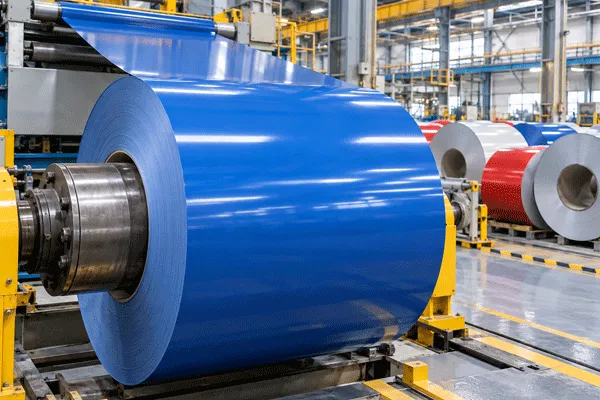
Discover versatile PPGL coil applications. Learn how pre-painted galvalume steel coil provides superior corrosion resistance for roofing, cladding, and appliances.
24 saat içinde size yanıt vereceğiz. Acil durumlarda lütfen WhatsApp/WeChat üzerinden bize ulaşın: +86 15066120072. Veya doğrudan +86 15066120072 numarasını arayın.
*Gizliliğinize saygı duyuyoruz ve tüm bilgileriniz korunmaktadır.
Bilgilerinizi yalnızca talebinize yanıt vermek amacıyla kullanacağız ve asla izniniz olmadan e-posta veya tanıtım mesajları göndermeyeceğiz.