Заказ арматуры неподходящего типа может привести к отказу в приёмке поставки, задержкам изготовления и дорогостоящей замене. Наличие рифлёной поверхности само по себе не подтверждает, что стержень подходит для вашего проекта. Знание классов, размеров и документов о проверке поможет выбрать нужный материал до начала работ.
Арматура периодического профиля — это стальные стержни с выступающими ребрами или другим рифлением поверхности, улучшающим механическое сцепление с бетоном. Они помогают железобетонным конструкциям выдерживать растягивающие нагрузки. Их эксплуатационные характеристики зависят от марки стали, диаметра стержня, анкеровки, схемы укладки и качества бетона. Определение «периодический профиль» (deformed) описывает именно рисунок поверхности, а не повреждения или безусловную гарантию повышенной прочности.
What are deformed reinforcement bars? A guide to steel rebar
1. Чем отличается рифлёная стальная арматура?
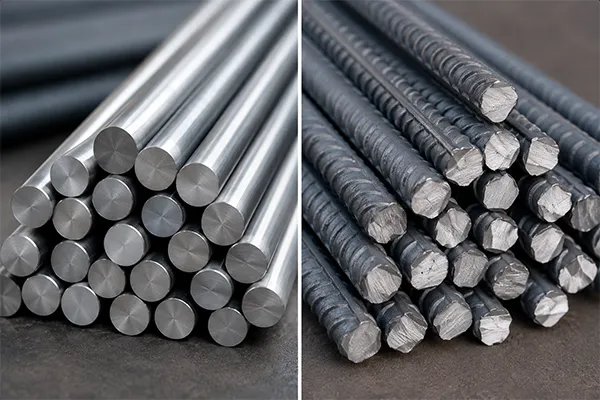
Арматурный стержень периодического профиля имеет рельефную поверхность, а не гладкую цилиндрическую. Выступающие поперечные рёбра помогают передавать усилие между стержнем и окружающим бетоном. В зависимости от изделия могут быть заметны также продольные элементы и прокатные маркировочные обозначения. Каждое ребро является частью заданного профиля, а не декоративным элементом. Рисунок профиля должен соответствовать спецификации заказанного изделия.
Сравните это с гладкими стержнями, у которых нет такого рельефного рисунка. Гладкий круглый прокат по-прежнему имеет свое назначение, включая определенные штыревые соединения, в которых предусмотрено смещение. Ни один из видов профиля не должен заменять другой без проектного согласования. Обычный квадратный пруток общего назначения также не может служить заменой сертифицированной арматуре лишь на том основании, что оба изделия металлические и сплошные.
Поэтому для покупателей первый вопрос — не просто «Есть ли на нём рёбра?». Важно выяснить, какому стандарту и классу он соответствует. Наша компания, занимающаяся производством и поставками в Китае, связывает эти характеристики с требуемыми размерами, формой поставки, обработкой и прослеживаемостью. Это позволяет не считать все рифлёные изделия взаимозаменяемыми.
2. Как арматурные стержни взаимодействуют с бетоном?
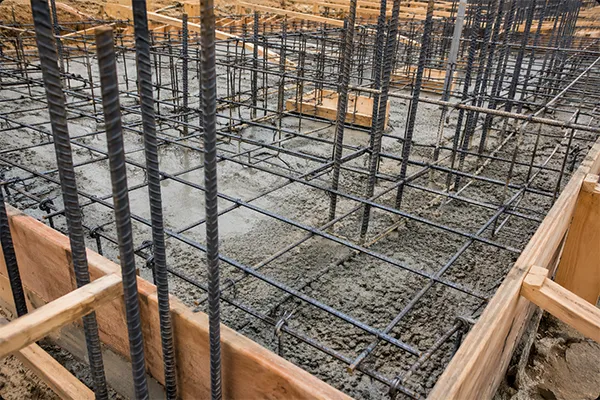
Бетон хорошо работает на сжатие, но значительно хуже сопротивляется растяжению. Стальная арматура обеспечивает восприятие растягивающих усилий там, где это предусмотрено проектом. Например, в нагруженной балке арматура в растянутой зоне помогает воспринимать нагрузки после образования трещин. Для надлежащей работы всей конструкции оба материала должны деформироваться совместно.
Поверхностные выступы улучшают сцепление с бетоном за счет механического зацепления. Однако надежность этого сцепления по-прежнему зависит от глубины заделки, расстояния между стержнями, толщины защитного слоя, поперечного армирования и прочности бетона. Слишком короткий или неправильно расположенный стержень не сможет выполнять свою расчетную функцию лишь благодаря выраженному рифлению. В руководстве по свойствам материалов Института железобетона (Concrete Reinforcing Steel Institute) объясняется, как эти особенности обеспечивают передачу нагрузок.
Точнее сказать, что стержни повышают несущую способность композитного элемента при растяжении, чем утверждать, будто они изменяют собственную прочность бетона на растяжение. При проектировании железобетонных конструкций также учитываются трещинообразование, прогибы, долговечность и анкеровка. Американский институт бетона и местные органы нормирования предоставляют соответствующие требования, а инженер определяет, какие из них применимы к проекту.
3. Как производят арматурные стержни периодического профиля?
При стандартной схеме производства нагретая заготовка последовательно проходит через прокатные клети. Клети уменьшают ее сечение и формируют требуемый профиль. Стержни периодического профиля изготавливают с использованием чистовых валков с насечкой, которые формируют рельефные выступы. Затем следуют охлаждение, резка, контроль качества и упаковка в пачки. Точная технологическая цепочка зависит от завода, марки стали и параметров заказанной продукции.
Свойства горячекатаной рифлёной арматуры могут обеспечиваться за счёт химического состава, контролируемого охлаждения или других регламентированных способов обработки. Маркетинговый термин, например «термомеханическая обработка», не заменяет заявление о соответствии требованиям. Запросите применимый стандарт и результаты испытаний. Способы производства влияют на эксплуатационные характеристики, однако покупателям нужны подтверждения того, что готовая партия соответствует установленным требованиям.
Прутки и арматура в бунтах предназначены для различных технологических процессов переработки. Меньшие диаметры могут поставляться в бунтах для последующей обработки на правильно-отрезных станках. Если поставляемый материал подлежит размотке, необходимо определить, кто проверяет его итоговые размеры и механические свойства. При обработке и перемещении следует сохранять маркировку, чтобы готовые изделия можно было сопоставить с исходной документацией на партию.
What are deformed reinforcement bars? A guide to steel rebar
4. Какие типы арматурных стержней периодического профиля могут указывать в спецификации покупатели?
Многие стандартные изделия изготавливают из углеродистой стали, тогда как в других вариантах используют сталь с регулируемым содержанием низколегирующих элементов, коррозионностойкие сплавы или защитные покрытия. Эти категории описывают разные свойства и могут пересекаться. Например, изделие с покрытием всё равно должно иметь марку основного материала. Выбор типа арматуры требует учета как конструктивных требований, так и условий эксплуатации.
| Категория продукции |
Основной фактор при закупке |
Что необходимо проверить |
| Арматура из нелегированной углеродистой стали |
Поставка для общего строительства |
Класс, размеры, результаты испытаний и пригодность к эксплуатации в заданных условиях |
| Низколегированный материал с контролируемыми характеристиками |
Заданные механические свойства или повышенная свариваемость |
Химический состав, углеродный эквивалент и требования к сварке |
| Арматура с эпоксидным покрытием |
Барьер для защиты от коррозионного воздействия |
Требования к покрытию, обращению, допустимым повреждениям и ремонту |
| Оцинкованная арматура |
Защита от коррозии на основе цинка |
Требования к покрытию и утвержденная последовательность изготовления |
| Stainless reinforcement |
Corrosion resistance for demanding service |
Alloy, reinforcement standard, and project approval |
Stainless steel bars and galvanized steel reinforcement should be specified as reinforcement products, not ordered using a generic metal description. Likewise, high-strength deformed bars are not automatically the most economical choice in every member. The designer must consider permitted grades, anchorage, crack control, and fabrication. Review the CRSI corrosion-resistance overview when discussing available protection strategies with the project team.
5. What do yield strength, tensile strength, and ductility mean?
Yield strength describes the stress at which significant permanent deformation begins, using the test method required by the specification. Tensile strength is the maximum stress reached during a tensile test. Ductility describes the ability to undergo plastic deformation before fracture. All three matter; a single strength number does not describe the full performance of reinforcing steel.
For example, Grade 60 rebar uses a minimum yield designation of 60,000 psi in the inch-pound system, approximately 414 MPa by unit conversion. The paired ASTM metric designation is Grade 420. This does not make every product carrying a similar metric number interchangeable. Test methods, chemistry, elongation, bending, and other requirements must also align with the contract.
Two common US specifications illustrate why names matter: ASTM A615/A615M covers carbon material, while ASTM A706/A706M includes controls on mechanical properties and chemistry, including provisions intended to enhance weldability. These links identify specific published editions; the purchase order should name the edition adopted by the project. Never silently replace one specification with the other.
6. Which steel bar sizes and weights should you order?
Order the nominal size specified on the approved schedule. Measuring across the highest points of the ribs does not directly establish nominal diameter. A deformed bar is described using an equivalent nominal section under its product standard. Confirm the designation system as well: US bar numbers and metric diameter labels are not a universal one-to-one set.
The following table gives calculated planning weights, using a nominal circular area and an assumed density of 7,850 kg/m³. It is not a product availability list or an acceptance table. Published nominal masses, permitted deviations, and measurement procedures in the applicable standard take priority.
| Nominal diameter |
Approximate mass per metre |
Approximate mass for 12 m |
| 8 mm |
0.395 kg |
4.74 kg |
| 10 mm |
0.617 kg |
7.40 kg |
| 12 mm |
0.888 kg |
10.65 kg |
| 16 mm |
1.578 kg |
18.94 kg |
| 20 mm |
2.466 kg |
29.59 kg |
| 25 mm |
3.853 kg |
46.24 kg |
| 32 mm |
6,313 кг |
75.76 kg |
For estimating, mass per metre is approximately 0.006165 × diameter², with diameter in millimetres. Use the total scheduled length to estimate tonnage, then account for fabrication waste and agreed commercial terms. Confirm whether invoicing uses theoretical or actual weight. That choice affects how quantity, delivery records, and payment are reconciled.
Reinforcing bars are used in foundations, columns, walls, slabs, bridge components, and other engineered members. Their functions vary: longitudinal bars may resist bending, while ties and stirrups serve different roles. A common material appearance does not mean the same diameter and spacing suit every location. The approved drawings define the arrangement.
In reinforced concrete and reinforced masonry, the surrounding materials and detailing requirements differ. Do not transfer a lap length or placement rule from one system to another without review. The strength of the structure depends on the complete design and workmanship, including joints and anchorage. Correct supply is one part of that chain.
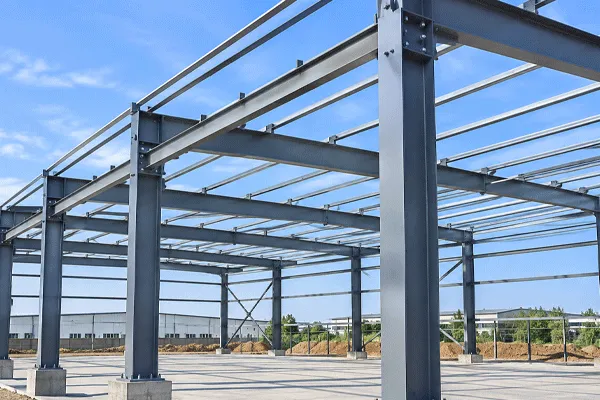
Consider an illustrative purchasing scenario: a warehouse project needs foundation cages alongside a structural steel frame. Its procurement list may include deformed reinforcement, H beams, plates, and angle steel. An integrated supplier can coordinate quantities and deliveries, but each product keeps its own specification and inspection records. This example describes a planning approach, not a completed customer case.
8. How should buyers inspect reinforcing steel before shipment?
Start by matching the purchase order, bundle tags, and mill test certificate. Check the producing mill, heat or batch reference, grade, size, quantity, and reported test results. Identification should remain legible after cutting or rebundling. CRSI’s bar identification guide explains how ASTM markings identify the mill, size, material type, and grade.
Then define the inspection scope. It may include dimensions, mass per length, profile checks, tensile and bend testing, and coating examination where relevant. Sampling must follow the contract and applicable standard. Third-party inspection can provide independent evidence, but it must cover the actual order and agreed tests. A certificate from an unrelated batch does not establish shipment compliance.
Surface condition also needs judgment. Light rust does not automatically require rejection, while loose scale, contamination, excessive corrosion, or loss of section can matter. CRSI’s handling and storage guidance provides practical handling information. Agree on storage, bundling, lifting, and moisture management before shipping, particularly when protective coatings require careful treatment.
What are deformed reinforcement bars? A guide to steel rebar
9. How can you source steel reinforcement for an export project?
A clear inquiry allows us to propose a suitable supply plan. We are a professional manufacturer and integrated supplier in China, supporting processing, customization, inspection coordination, MTC documentation, and international logistics. Our wider range includes sheet, coils, pipes, sections, stainless materials, aluminum, and copper. For this product, we focus the quotation on the approved reinforcement schedule.
Send these details with your request:
- Standard and grade: include the required edition and project approvals.
- Size and quantity: provide a breakdown by diameter and length.
- Delivery form: straight lengths, coils, or approved fabricated shapes.
- Processing: cutting, bending, end preparation, and relevant drawings.
- Protection: bare, coated, or another specified material option.
- Verification: required documents, sampling, and inspection hold points.
- Logistics: destination, delivery phases, bundle limits, and trade terms.
Our approach to OEM/ODM supply is to fit the delivery to your approved requirements. Customization does not mean changing structural dimensions or chemistry without authorization. Send your schedule, quantity, and destination for a tailored quotation. We can discuss processing, packing, and shipment sequencing before you place the order, helping your team compare complete offers rather than headline prices alone.
10. FAQs about deformed rebar and steel bar selection
Does “deformed” mean the product is damaged?
No. It describes the intentional surface pattern formed during production. Bent, cracked, or damaged material is a separate inspection issue. The surface of the bar should meet the ordered profile and condition requirements; a ribbed appearance alone does not prove compliance.
Is deformed rebar stronger than a smooth steel bar?
Not necessarily. Its raised features improve mechanical interlock, while material strength depends on grade and processing. Compare certified properties rather than appearance. A better bond with the concrete and a higher material strength are different characteristics, even though both can influence structural performance.
Can a reinforcing bar be welded?
Some grades are suitable for welding under the proper procedure. Chemistry, carbon equivalent, size, joint design, and the governing welding requirements all matter. A706 addresses enhanced weldability, but that does not authorize unrestricted site welding. Confirm the material and approved procedure before fabrication.
Can a higher grade replace the specified grade?
Only after the responsible designer approves the change. Greater nominal strength does not resolve all requirements. Anchorage, permitted grades, strain behavior, detailing, and member performance may be affected. Submit a documented comparison rather than assuming the higher number represents a direct upgrade.
Do all projects need corrosion-resistant reinforcement?
No. The decision depends on exposure, service-life targets, design, and maintenance planning. Coastal environments and chloride exposure may justify additional protection. The engineer should select the system, including material, cover, and concrete quality. No single coating or alloy removes the need for correct detailing.
What documents should accompany an international order?
Request the agreed mill test certificates, packing list, identification records, and any specified inspection reports. Commercial and shipping documents depend on the destination and transaction. Set these requirements before production so the supplier can maintain the needed links between material, testing, and each delivered bundle.
Key points to remember
- Raised ribs support load transfer; they do not define the strength grade.
- Specify the standard, edition, grade, nominal size, and delivery condition.
- Check strength, elongation, bending, chemistry, and profile requirements together.
- Use calculated weights for planning and contractual criteria for acceptance.
- Maintain traceability from the producing mill through fabrication and delivery.
- Obtain design approval for substitutions and send a complete schedule when requesting a quote.









 09-24 2026